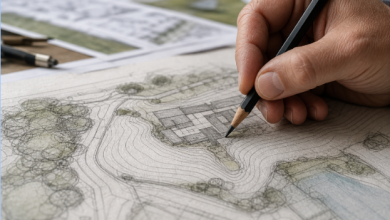


kitchen renovation is one of the most rewarding home improvement projects because it combines functionality, aesthetics, and personal style. A successful renovation begins with careful planning and a clear vision of how you want the space to function. Start by assessing your current kitchen layout and identifying areas that need improvement, such as storage inefficiencies, outdated appliances, or limited counter space. Consider how you use the kitchen daily, from cooking and entertaining to casual family gatherings. By understanding your needs, you can design a space that enhances both usability and comfort.
Maximizing Space and Storage
One of the biggest challenges in kitchen renovation is creating sufficient storage without overcrowding the space. Thoughtful use of custom kitchen cabinets, drawers, and shelving can make a significant difference. Opt for solutions like deep drawers for pots and pans, pull-out pantry shelves for easy access, and corner cabinets that utilize otherwise wasted space. Custom cabinetry allows you to tailor the kitchen to your exact requirements, providing both practical storage and a cohesive design. Integrating multi-functional furniture or kitchen islands can also enhance storage while offering additional workspace.
Choosing the Right Materials and Finishes
The materials and finishes you choose play a crucial role in both the appearance and durability of your kitchen. Countertops should balance style and practicality, with options like quartz, granite, or engineered stone offering long-lasting elegance. Cabinet finishes can range from classic wood veneers to modern laminates, depending on the look you want to achieve. Flooring materials such as hardwood, vinyl, or tile should withstand heavy use while complementing the overall design. Attention to these details ensures your kitchen remains visually appealing and functional for years to come.
Lighting for Ambiance and Functionality
Lighting is often overlooked but is essential in a kitchen renovation. Proper lighting can enhance the mood, highlight design elements, and improve visibility for cooking and cleaning tasks. Combine ambient lighting with task lighting above counters, sinks, and islands. Accent lighting can draw attention to architectural features or decorative elements, creating a layered and inviting atmosphere. Using energy-efficient LED fixtures not only reduces electricity costs but also allows for customizable lighting solutions that can adapt to different times of day or activities.
Selecting Appliances and Fixtures
Modern appliances and fixtures can transform the way you use your kitchen. When choosing appliances, consider energy efficiency, size, and functionality. Built-in ovens, induction cooktops, and smart refrigerators offer convenience and a sleek appearance. Fixtures like faucets and sinks should combine durability with design, complementing your overall kitchen style. Integrating technology such as touchless faucets, smart lighting, or connected appliances can enhance efficiency and make daily kitchen routines more enjoyable.
Color Palette and Design Aesthetics
The color scheme of your kitchen sets the tone for the entire space. Neutral tones like whites, grays, and creams create a timeless and airy atmosphere, while bold colors can add personality and visual interest. Coordinating cabinet colors, backsplash tiles, and countertop materials ensures a cohesive and stylish look. Open shelving, decorative accents, and strategic placement of artwork or plants can further enhance the aesthetic appeal. A well-chosen color palette combined with thoughtful design details ensures that your kitchen renovation feels both modern and inviting.
Sustainability and Long-Term Planning
Incorporating sustainable practices during a kitchen renovation not only benefits the environment but also increases the longevity and efficiency of your space. Energy-efficient appliances, eco-friendly materials, and water-saving fixtures are important considerations. Planning for long-term usability by selecting durable materials and modular designs reduces the need for frequent updates. Sustainability should also include flexible layouts that can adapt to changing needs, ensuring that your renovated kitchen remains practical and stylish for years to come.
Conclusion
Kitchen renovation is an exciting opportunity to create a space that reflects your lifestyle and personal taste while improving functionality. By carefully planning layouts, optimizing storage, selecting quality materials, integrating modern appliances, and paying attention to lighting and color, you can achieve a kitchen that is both beautiful and practical. Thoughtful renovations focus not just on immediate aesthetics but on long-term efficiency and sustainability. With the right approach, your kitchen can become the heart of your home—a welcoming and inspiring environment for cooking, entertaining, and daily life.