
Living Room Fan Guide for Comfort, Style, and Modern Homes


Introduction
The living room is the heart of any home, serving as a place for relaxation, conversation, entertainment, and everyday family moments. Because this space is used so frequently, maintaining a comfortable environment throughout the year becomes essential. Temperature, airflow, lighting, and aesthetics all come together to shape how welcoming a living room feels. One of the most effective ways to balance comfort and design is by choosing the right cooling solution that blends function with visual appeal. A well-selected living room fan does more than move air; it enhances comfort, complements décor, and supports energy efficiency. As modern homes evolve, ceiling fans have become smarter, quieter, and more stylish, making them a central feature rather than an afterthought in interior design.
Why Proper Air Circulation Matters in the Living Room
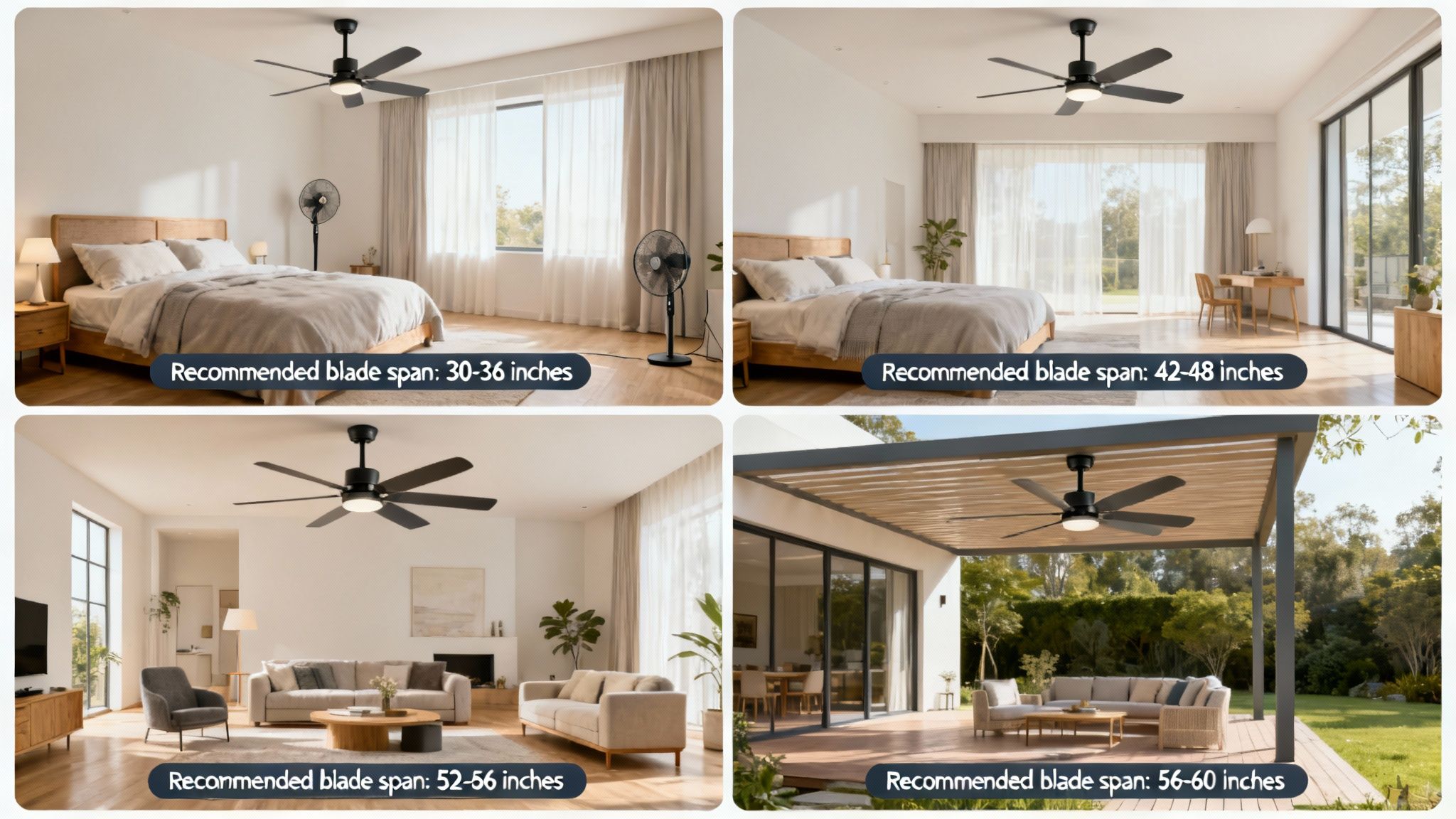
Air circulation plays a vital role in maintaining indoor comfort, especially in spaces where people gather for long periods. Stagnant air can make a room feel warmer, heavier, and less inviting, even when temperatures are moderate. Proper airflow helps distribute cool air evenly, reduces humidity buildup, and creates a refreshing environment that encourages relaxation. In warm climates or during summer months, consistent air movement can significantly reduce the reliance on air conditioning, helping to lower electricity usage. During cooler seasons, reversing airflow can help redistribute warm air trapped near the ceiling, improving overall comfort without additional heating. This balance makes the living room fan a practical solution for year-round comfort.
Choosing the Right Size for Balanced Performance
Selecting the appropriate fan size is essential for achieving effective airflow without overwhelming the space. A fan that is too small may struggle to circulate air across the entire room, while an oversized fan can feel overpowering and disrupt the visual harmony of the living area. Room dimensions, ceiling height, and furniture layout all influence the ideal blade span. Medium to large living rooms typically benefit from wider blades that move more air at lower speeds, creating a gentle and consistent breeze. Ceiling height also matters, as adequate clearance ensures safe operation and optimal airflow. When chosen correctly, a living room fan blends seamlessly into the space while delivering balanced performance.
Design Styles That Complement Modern Living Rooms
Today’s ceiling fans are available in a wide range of styles that cater to diverse interior themes. From sleek minimalist designs to classic wooden finishes, fans can enhance the overall aesthetic of a living room rather than detract from it. Contemporary homes often favor clean lines, neutral colors, and subtle textures, making matte finishes and streamlined blade designs especially popular. Traditional interiors may benefit from warm tones, decorative detailing, and elegant blade shapes that echo timeless design principles. The right living room fan acts as a visual anchor, tying together lighting, furniture, and architectural elements to create a cohesive look.
The Role of Lighting in Ceiling Fan Selection
Lighting is a crucial component of living room design, and many ceiling fans now integrate advanced lighting solutions. Built-in LED lights provide both ambient illumination and energy efficiency, reducing the need for separate fixtures. Adjustable brightness and color temperature allow homeowners to customize lighting based on mood or time of day. A fan with integrated lighting simplifies ceiling design and keeps the room uncluttered while maintaining functionality. Choosing a fan with well-designed lighting ensures that the living area remains bright, inviting, and practical for various activities such as reading, entertaining, or relaxing.
Energy Efficiency and Cost Savings Over Time

Energy efficiency has become a major consideration for modern households, especially as electricity costs continue to rise. Ceiling fans consume significantly less power than air conditioners, making them an economical choice for daily use. By improving airflow, fans allow air conditioning systems to operate more efficiently, often enabling higher thermostat settings without sacrificing comfort. Over time, this leads to noticeable savings on energy bills. A high-quality living room fan designed with efficient motors and aerodynamic blades can provide powerful airflow while consuming minimal energy, making it an environmentally responsible and cost-effective investment.
Noise Levels and the Importance of Quiet Operation
The living room is often a place for conversation, entertainment, and relaxation, making quiet operation an essential feature of any ceiling fan. Excessive noise can be distracting and reduce the overall comfort of the space. Modern fans are engineered with advanced motor technology that minimizes vibration and ensures smooth, silent performance. This allows the fan to operate continuously without interfering with daily activities. A quiet living room fan enhances the ambiance by providing comfort without drawing attention to itself, supporting a peaceful and enjoyable environment.
Installation Considerations and Ceiling Height Factors
Proper installation is key to ensuring safety, performance, and longevity. Ceiling height determines the type of mounting required, whether standard, low-profile, or extended downrod installation. Adequate clearance between the blades and the floor ensures optimal airflow and safe operation. Professional installation can help prevent issues such as wobbling, uneven airflow, or electrical problems. When installed correctly, a living room fan operates efficiently and remains stable, contributing to both comfort and peace of mind.
Smart Features and Modern Technology Integration
As homes become smarter, ceiling fans have evolved to include advanced technological features. Remote controls, wall controls, and smart app integration allow users to adjust speed, direction, and lighting with ease. Some fans can even be synchronized with home automation systems, enabling voice control and scheduling. These features enhance convenience and ensure that comfort can be customized effortlessly. A technologically advanced living room fan aligns with modern lifestyles, offering both functionality and innovation.
Seasonal Benefits and Year-Round Usage

Ceiling fans are often associated with summer cooling, but their benefits extend throughout the year. During warmer months, downward airflow creates a cooling effect that makes the room feel more comfortable. In cooler seasons, reversing the direction helps circulate warm air that naturally rises, maintaining a balanced temperature. This versatility makes fans a valuable addition to the living room regardless of the season. A properly used living room fan supports consistent comfort while reducing dependence on heating and cooling systems.
Maintenance and Long-Term Care for Lasting Performance
Regular maintenance helps preserve the appearance and performance of a ceiling fan. Dust accumulation on blades can reduce airflow efficiency and affect air quality. Periodic cleaning and inspection ensure smooth operation and prevent unnecessary wear. High-quality materials and durable finishes also contribute to longevity, allowing the fan to maintain its visual appeal over time. With proper care, a living room fan remains a reliable and attractive feature for many years.
Enhancing Interior Balance and Visual Harmony
Beyond functionality, ceiling fans play a significant role in interior balance. Positioned centrally, they draw the eye upward and help define the vertical space of a room. When chosen thoughtfully, fans complement furniture arrangements, lighting elements, and architectural details. The right finish and blade design can subtly enhance the room’s character without overpowering it. A well-integrated living room fan adds depth and dimension, reinforcing the overall design concept.
Conclusion on Choosing the Ideal Living Room Fan
Selecting the right ceiling fan for the living room involves more than choosing a basic appliance. It requires careful consideration of size, design, energy efficiency, noise level, and technological features. When all these elements align, the result is a comfortable, stylish, and functional space that supports everyday living. A thoughtfully chosen living room fan enhances airflow, reduces energy costs, and elevates interior design, making it a smart and lasting investment for any modern home.
Read More:- How to Choose a Rug for a Small Room That Looks Bigger