

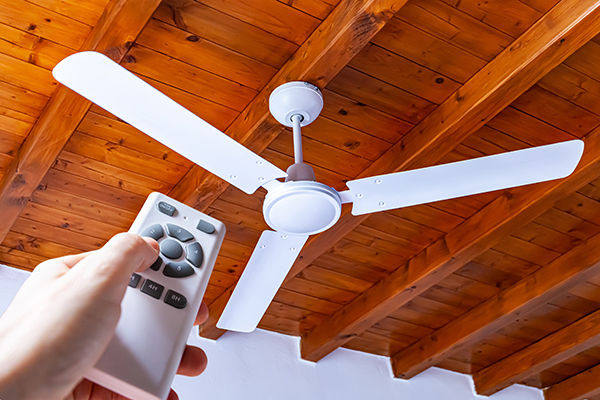
Introduction
People typically think of ceiling fans as simple home fixtures, but there is one important feature that many homeowners don’t think about that makes them work better. The direction of a ceiling fan has a big effect on how air circulates through a room, how comfortable it is, and how well energy is used all year long. A lot of people think that a fan just pushes air down, but the way the blades spin may modify the way air moves in a big way. You may make your home more comfortable without changing the thermostat or buying new appliances if you understand this idea. Homeowners may utilize their fans more effectively all year long and save energy by learning how ceiling fan direction works and why it matters.
How Ceiling Fans Move Air
Ceiling fans don’t cool a room down like air conditioners do. Instead, they make air move about, which helps the body chill down by evaporating moisture from the skin. The blades’ angle decides if the air is pushed down or softly lifted up toward the ceiling. This airflow interacts with the room’s inherent temperature strata, which are called stratification. Warm air rises while cool air descends down. The direction of the ceiling fan affects how these layers mix, which makes the room feel cooler or warmer depending on the time of year. To use ceiling fans correctly instead of only as decorations, you need to understand this theory.
How to Set Your Ceiling Fan for Summer Comfort
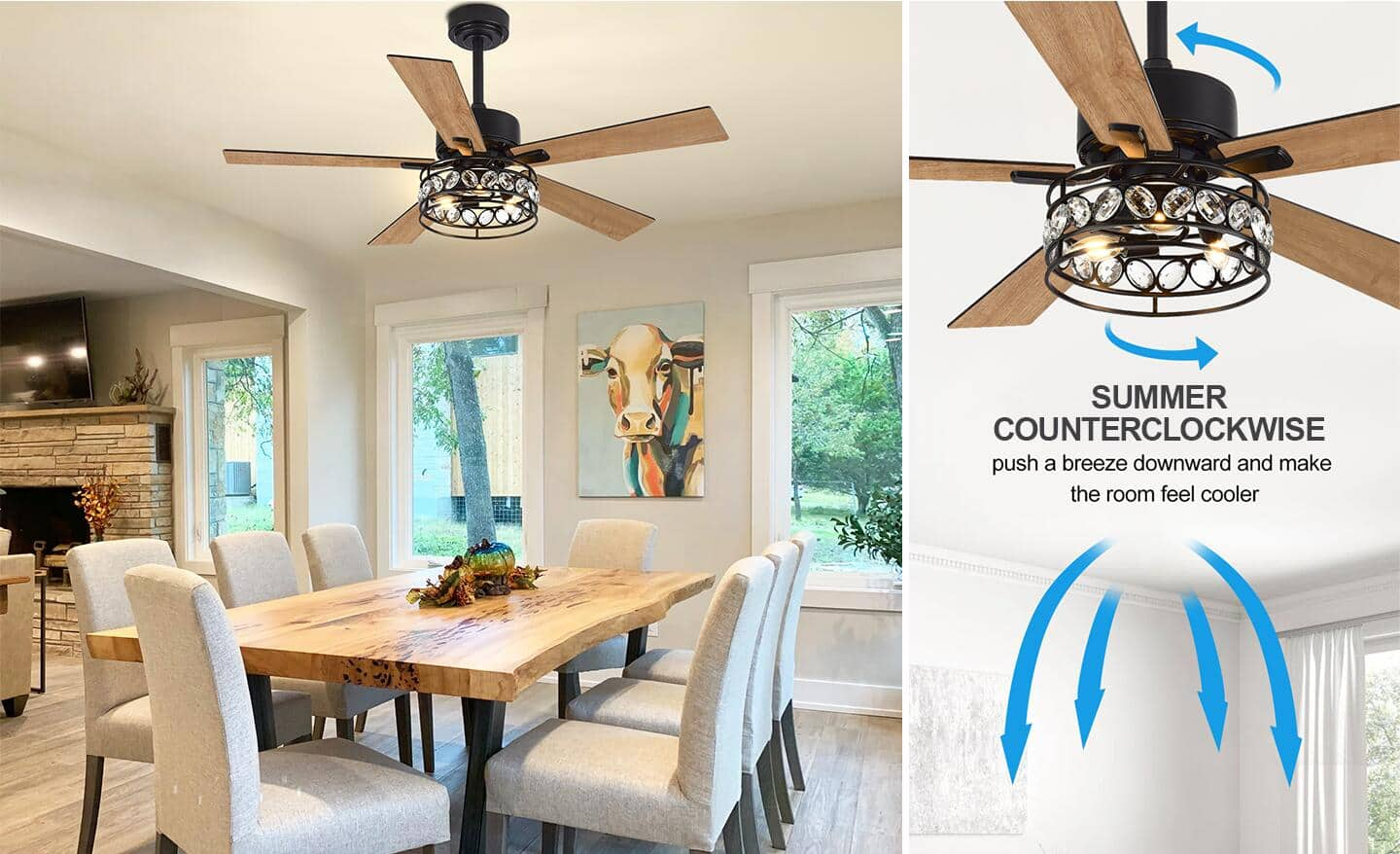
The right direction for a ceiling fan may make a room feel much cooler without changing the actual temperature in the summer. In the summer, the blades should move in a way that pushes air straight down to the floor. This airflow going down makes the skin feel cooler, even though the air temperature stays the same. Setting the ceiling fan to blow in the summer helps move air that isn’t moving and stops hot spots from accumulating in the corners of the room. This setting is great for bedrooms, living rooms, and offices where people spend a lot of time and need to be comfortable all day.
Why the Air Feels Cooler in the Summer
A ceiling fan doesn’t make the room cooler in the summer; it just makes the skin evaporate faster, which makes it feel cooler. Setting the ceiling fan to pump air down makes the air flow about the body more, which cools it off faster. This effect lets homeowners turn up the thermostat a little without losing comfort, which means they use less energy. With time, this small change can lead to big savings on electricity bills while keeping the inside of your home comfortable even when it’s very hot outside.
How to Set Your Ceiling Fan for Winter Warmth
Ceiling fans can still be helpful in the winter, but only if you change the direction of the fan. In the winter, heating systems create warm air that rises and gets stuck near the ceiling. This makes the lower parts of the room cooler. Setting the fan to turn slowly in the opposite direction softly pulls warm air up and spreads it along the walls and ceiling before letting it settle back down into the living room. This strategy helps keep the room at a comfortable temperature without making it feel cold. It makes the room feel warmer and more comfortable without putting too much strain on the heating system.
How the Direction of Winter Improves Heating Efficiency
When you change the direction of your ceiling fan for winter, it helps the heating system instead of fighting it. The sluggish upward movement keeps heated air from becoming stuck near the ceiling, which lets it move about the room evenly. This means that there are fewer cold spots and the temperatures are more even throughout different places. This better circulation can minimize the need to turn up the heat over time, which saves energy and lowers utility bills. A lot of people don’t think about this benefit, which is a missed chance to make their homes more comfortable in the winter with no work.
How to Find the Right Fan Rotation
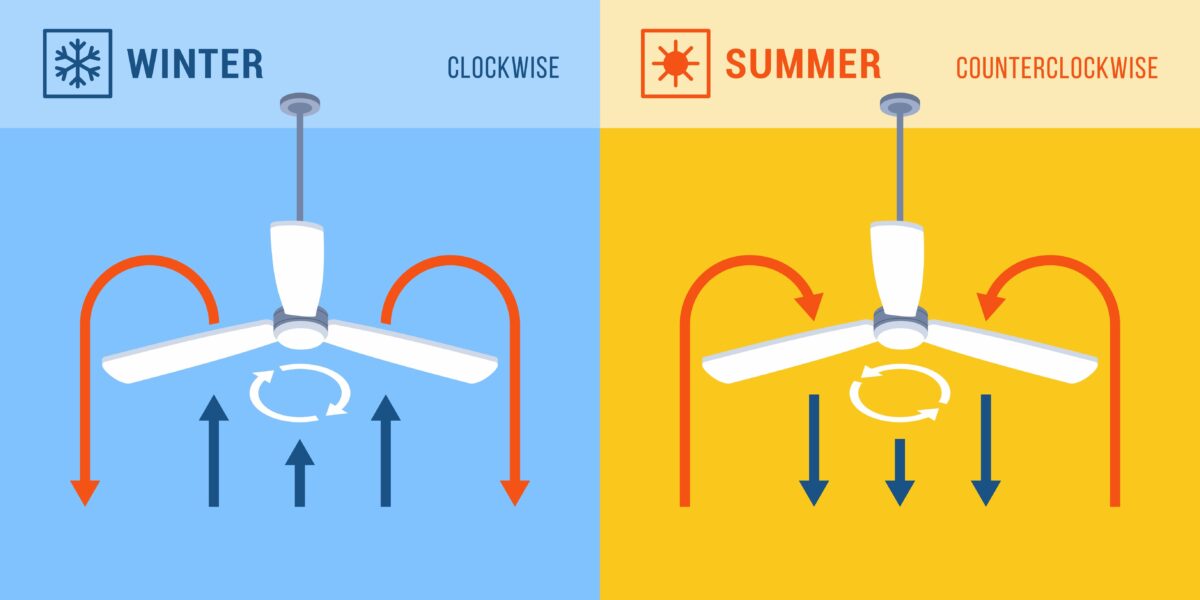
You don’t need to know a lot about technology to figure out which way a ceiling fan is going. You only need to look. Stand right under the fan and watch the blades move while it is on. When you look at the blades from below in the summer, they should look like they are moving counterclockwise, which will make a powerful breeze blow down. In the cold, the blades should turn clockwise more slowly, pulling air up. Knowing what this visual signal means helps make sure the fan is set up appropriately without having to guess. Most ceiling fans have a little switch on the motor housing that lets users simply adjust the direction.
The Importance of Room Size and Ceiling Height
The direction of a ceiling fan works best when the fan is the right size and the ceiling is the right height. In rooms with higher ceilings, warm air tends to accumulate higher up, so it’s especially necessary to circulate the air in the winter. A fan that is set up appropriately helps gently bring that heat back down. In small rooms or rooms with low ceilings, you need to be careful about how air flows so that it doesn’t make you uncomfortable. To make sure that air circulation makes you more comfortable instead of producing drafts or uneven airflow, you should always set the speed of your ceiling fan to match the direction it is going.
Saving Energy and the Direction of the Ceiling Fan
Knowing which way a ceiling fan blows can help you save energy, which is one of the most useful benefits. Fans consume a lot less electricity than air conditioning or heating systems, yet they can make you feel more comfortable when utilized correctly. In the summer, thermostats may be set higher without making people uncomfortable since air flows down. In the cold, upward movement helps spread heat evenly, which makes heaters work less. Over time, these changes can lead to big drops in energy use. Ceiling fan direction is a simple yet useful tool for families that want to find a balance between comfort and being environmentally friendly.
Myths About Ceiling Fans
There are a lot of wrong ideas about ceiling fans and how they work. One frequent myth is that fans cool rooms even when no one is there. The direction of a ceiling fan simply changes how people feel in a room, not the temperature. If you leave fans on in empty rooms, you’re wasting electricity instead of saving it. Another common mistake is thinking that the direction of the fan doesn’t matter, which leads to wrong use all year long. Clearing up these fallacies helps households make better choices and save money on energy expenditures.
The Direction of Ceiling Fans in Different Rooms
The right direction for a ceiling fan can help different rooms in different ways. Bedrooms need a soft breeze that helps people sleep well, especially in the summer. Living spaces are better when there is balanced airflow that works for more than one person and activity. Fans may help spread out the heat from cooking in the kitchen, and home offices can benefit from regular airflow that makes working long hours more comfortable. Changing the direction of the ceiling fan based on how the room is used makes sure that each room stays comfortable and useful all year long.
Seasonal Changes and Maintenance
Regular maintenance helps make sure that the direction of the ceiling fan operates as it should. It is vital to clean fans from time to time because dust can build up on the blades and block airflow, which makes them less efficient. It’s also a good idea to check the fan settings and make sure the direction switch is set correctly when the seasons change. Checking the direction of your ceiling fan for a few minutes at the start of summer or winter can make you more comfortable and save you money for months. This little habit helps the fan last longer and get the most out of it.
Smart Fans and Control of Direction
More and more modern ceiling fans have smart technology that lets people regulate speed and direction from a distance. These systems may alter the direction of the ceiling fan automatically dependent on the temperature or the season, so you don’t have to do it yourself. Smart controls let you set schedules for your fans, so they only run when you need them. Traditional fans still work well, but smart fans make it easier and more accurate to control the flow of air. Knowing how direction works makes sure that even the most advanced features are used to their fullest.
Indoor Air Quality and Ceiling Fan Direction
Proper airflow helps to improve interior air quality by keeping air from getting stuck and helping to spread fresh air more evenly. Setting the direction of the ceiling fan right helps with natural ventilation and stops smells and moisture from building up in some places. This is also significant in places with a lot of humidity since moving air helps control moisture levels. Fans don’t take the role of ventilation systems, but they do help them by making the air move better throughout the house.
Comfort all Year Round Without Paying Extra
One of the best things about changing the direction of a ceiling fan is that it doesn’t cost anything extra. Changing the direction of the fan costs nothing and only takes a few seconds, unlike upgrading HVAC systems or installing insulation. But the effects on comfort and energy use can be very big. Ceiling fans are one of the most affordable ways to keep your home comfortable all year round. People who own homes and understand and use this information will benefit in the long run with little effort.
Conclusion: On the Direction of Ceiling Fans
When used appropriately, ceiling fans are much more than just decorative lights. The direction of a ceiling fan affects airflow, comfort, energy efficiency, and even the quality of the air inside all year long. Homeowners can make their homes more comfortable without using more energy by changing the direction of the fan during summer and winter. People can make better use of the resources they already have in their homes if they know how and why direction matters. Ceiling fans may help make your home comfortable, efficient, and well-balanced all year round if you make the right modifications for each season.
Read More:- How to Wash Shoes in Washing Machine Safely and Effectively