Ideal Fridge Temperature Guide for Fresh Food Storage Safe Use

Introduction
One of the most crucial but sometimes forgotten parts of running a kitchen every day is keeping the fridge temperature. A refrigerator is not just a box that keeps food cold; it is a well built space that slows down the growth of bacteria, retains the flavor of food, and protects its nutritional content. When the temperature is too high, food might freeze, which makes it lose its taste and texture. When they are too low, bacteria grow faster, which makes it more likely that you will become sick from food. Many families think that as long as the food feels cold, everything is great. But temperature accuracy is much more important than most people think. A properly set refrigerator keeps food safe, cuts down on waste, and keeps your equipment running well for years.
People today often go grocery shopping, put leftovers in the fridge, and make meals ahead of time. A steady internal environment is necessary for all of this to work. Small changes can have various effects on dairy, meat, veggies, and prepared food. When you know how your fridge cools things down, you can make better choices about things like changing the settings and organizing the shelves. In the end, this information saves money, keeps people healthy, and makes life easier every day.
What is the Best Temperature Range for a Fridge
Most people think that a residential refrigerator should be kept between 1°C and 4°C. Food stays cold enough to prevent the growth of hazardous bacteria in this range, but it doesn’t freeze. This balance is important since freezing can hurt items that are sensitive, such fruits, leafy greens, and dairy products. No matter how many times the door is opened or how full the fridge temperature inside should stay the same all day.
A lot of refrigerators use numbered dials instead of showing actual degrees, which might make it hard to figure out how to change the temperature. It’s crucial to know how your individual appliance works, because a greater number doesn’t always indicate colder in every model. Using an internal thermometer is generally the best approach to make sure something is correct. Once you’ve set it up well, don’t change it too often because doing so might put stress on the cooling system and make cold regions unequal.
How Temperature affects the Safety and Freshness of Food
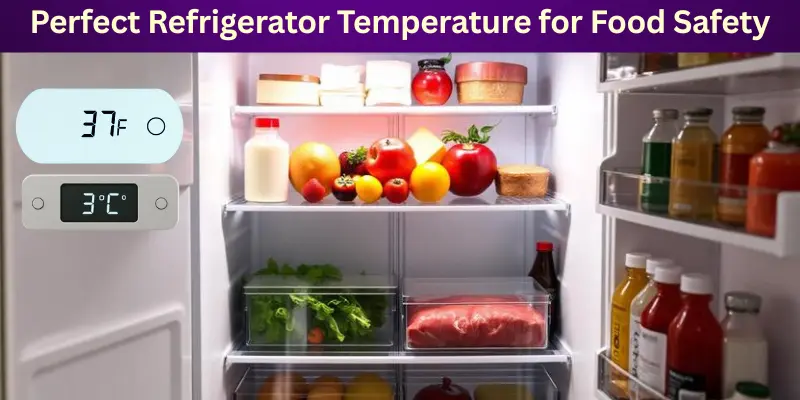
How cool your fridge keeps has a direct effect on food safety. The “danger zone” is the temperature range between 5°C and 60°C, where bacteria that cause food poisoning grow best. Bacteria grow much more slowly when food is kept below this range. Perishable foods like raw meat, seafood, and leftovers become unsafe more quickly when the fridge temperature goes beyond the acceptable range, even for a short time.
Cooling accuracy also affects how fresh something is. When kept in warmer places, milk can go bad faster, vegetables can wilt, and cooked food can smell bad. On the other hand, settings that are too chilly can cause vegetables to freeze, eggs to shatter, and sauces and cheese to change their textures. Keeping a stable climate makes sure that food stays safe and tastes like it should when you’re ready to eat it.
How to Set the Temperature in Your Freezer and Fridge
You should know that refrigerators and freezers have various jobs and work at different temperature ranges. The refrigerator is made to keep food cold but not frozen. The freezer, on the other hand, needs to stay cold enough to inhibit bacteria from growing fully. Most freezers work at about −18°C, which keeps food fresh for a long time.
When consumers try to fix refrigerator cooling problems by changing the controls on the freezer, it might be confusing. In many models, the freezer setting indirectly impacts how the refrigerator cools down because both parts use the same cooling system. Changing one can effect the other. If you know how these systems work together, you can avoid accidentally freezing things in the fridge or ensure sufficient cooling in the freezer.
The effects of Seasonal Changes on Cooling Performance
The weather outside has a big effect on how well your refrigerator keeps the inside climate stable. The appliance has to work harder to get rid of heat in the summer, especially in kitchens that don’t have air conditioning. This can make the inside of the house a little warmer, so it’s crucial to keep an eye on things and change the settings if necessary. On the other hand, refrigerators may work better in cooler months, which can occasionally make the inside too cold.
Humidity can also have an effect on performance. If the air is very humid, it can generate condensation. If the air is too dry, it can make stored produce lose moisture more quickly. By knowing how the seasons affect your food, you may make modest changes that keep it safe all year without putting too much strain on the appliance.
The Importance of Setting the Right Temperature for Energy Efficiency
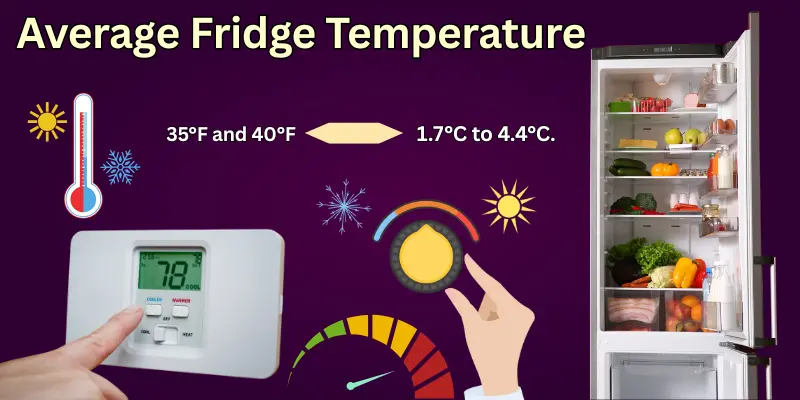
Making your fridge colder than it needs to be doesn’t make food safer and often wastes energy. The appliance has to work harder, which makes the compressors operate longer and costs more money. Keeping the fridge temperature makes sure that it works at its best efficiency level.
Saving money is not the only reason to be energy efficient; it also helps the environment. A refrigerator that is well cared for uses less energy and lasts longer, which means it doesn’t need to be fixed or replaced as often. Allowing hot food to cool before putting it away and not opening doors too often are two simple behaviors that help keep the inside of a building stable and consume less energy.
Mistakes That Often Cause Temperature Problems
Many people don’t realize that their daily behaviors cause problems with cooling. Putting too much in the fridge might clog the air vents, which stops cold air from moving around evenly. An almost empty fridge, on the other hand, may have trouble keeping the temperature stable because there isn’t as much mass to hold cold air. If you don’t keep things in order, food can spoil faster in warm locations.
Another typical mistake is opening the door too often, which lets warm air in and makes the compressor work harder. Putting the fridge too close to heat sources like ovens or direct sunshine might also make it work less well. If you know about these behaviors and fix them, you can keep your internal environment steady without having to make changes all the time.
How to Accurately Measure and Keep an Eye on Internal Cooling
If you only use the built-in settings on your refrigerator, you could be misled, especially if it’s an older model. A dedicated appliance thermometer put in the middle of the fridge gives a more accurate measurement. If you check this reading from time to time, you may be confident that the fridge temperature stays in the right range.
After a power outage, moving the appliance, or bringing home a lot of groceries, it’s very crucial to keep an eye on things. These things can make cooling work less well for a short time. You can act fast and avoid wasting food or safety problems by keeping an eye on what’s going on inside.
Putting Food in the Right Place for Even Cooling
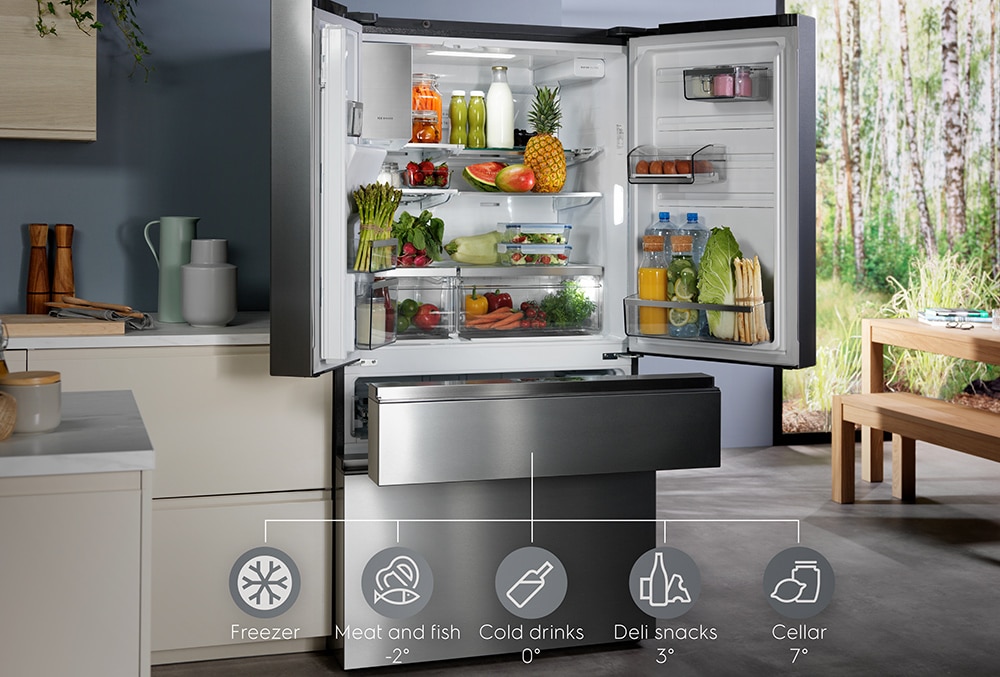
The temperature setting is important, but so is where you put food in the fridge. To keep things fresh, shelves and drawers are made for certain things. To keep juices from spilling onto other meals, raw meat should be kept on lower shelves. The center shelves keep dairy goods cool all the time, and the drawers with humidity control keep veggies crisp.
Don’t put things that are easy to break near the entrance, where the temperature changes the greatest because it opens and closes so often. Proper placement helps cool things down evenly and lowers the chance of heated or frozen areas forming in one area.
Things to think About when Eating Different Kinds of Food
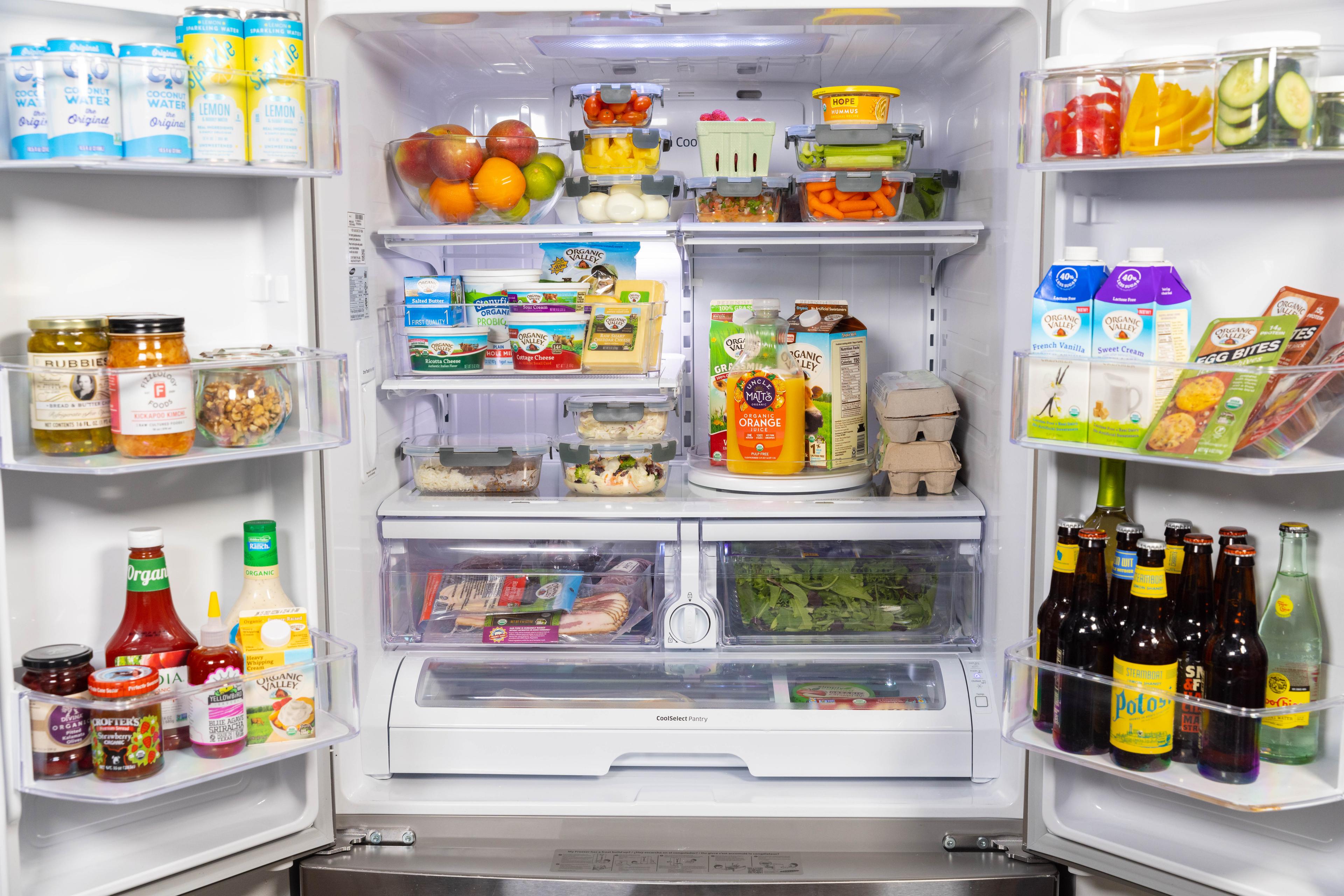
Different foods need to be stored in different ways. Ethylene gas is released by fruits and vegetables. If not handled correctly, this gas can speed up ripening and deterioration. Some fruits and vegetables do better in warmer places, while others do better in colder places. Dairy products are sensitive to variations in temperature and can go bad rapidly if they are not stored properly.
You should keep cooked leftovers in sealed containers and put them where they will stay cool the best. Knowing these small details will help you get the most out of your fridge’s features and cut down on waste.
How Modern Refrigerators Keep Things Stable
Improvements in appliance technology have made it much easier to manage the temperature. To keep things the same, many modern refrigerators use more than one sensor, digital controls, and different chilling zones. Some types even change the airflow automatically based on how you use them.
Even with these new features, how people utilize them is still very important. Even the best equipment can’t make up for doors that are opened too often, too many people, or bad upkeep. The finest outcomes come from using modern features in a smart way.
Ways to keep Your air Conditioning Working all the Time
Regular maintenance keeps your refrigerator working the way it should. Cleaning the condenser coils helps the appliance let out heat more effectively. Checking the seals on the doors keeps cold air from getting in and warm air from getting out. Even tiny breaches in seals can make the temperature change a lot.
Defrosting when needed and keeping vents free can help keep performance steady. These easy tasks don’t take much time but make things much more reliable and efficient.
The Long-Term Benefits of Keeping the Right Temperature
Keeping the fridge temperature has long-term benefits that go beyond making things easier every day. Food stays fresh longer, which cuts down on waste and grocery expenditures. Appliances don’t have to work as hard, which makes them last longer and costs less to fix. Most importantly, effective chilling keeps your family healthy by lowering the danger of becoming sick from food.
These benefits add up over time, which is why temperature management is one of the most effective and simple things you can do around the house.
Conclusion: On Making Your Refrigerator Safe and Work Well
The efficacy of a refrigerator depends a lot on how well the inside is kept. You may make a system that works every day by knowing what the optimal ranges are, keeping an eye on the conditions, carefully organizing the food, and taking care of the appliance. It’s not about constantly changing the fridge temperature; it’s about taking care of it in a way that keeps your kitchen safe, efficient, and stress-free.
Read More:- Fridge for Sale Guide Buying the Perfect Refrigerator Today Up