
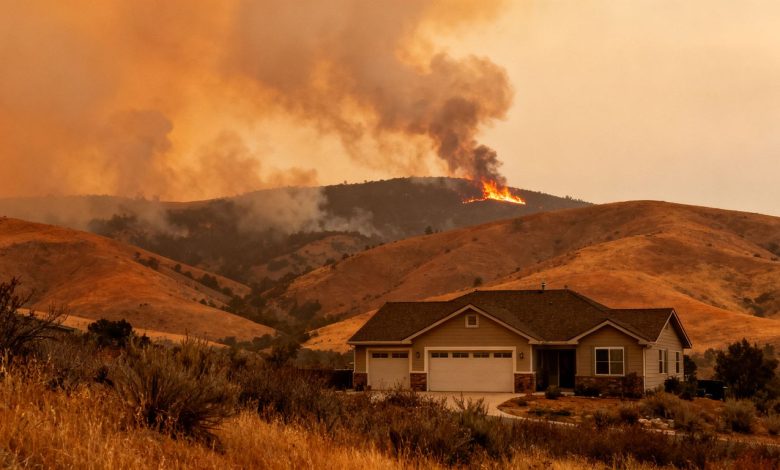
When looking at property in areas prone to wildfires, it’s important to first get a handle on the community’s overall risk. Wildfires don’t just affect individual homes; they can impact entire neighborhoods, making community preparedness a significant factor in safety. Understanding the general fire risk of the area is a critical first step.
Utilizing Online Wildfire Risk Tools
Several online resources can help you gauge the wildfire risk in a specific community. These tools often use mapping and data analysis to show potential hazards. You can explore interactive maps and reports that detail risk levels, helping you understand the broader picture. Some platforms even offer data on community resilience, which can be quite informative. For instance, you might look into resources like the Community Wildfire Risk Assessment or tools that map out resilience factors.
Understanding Community Building Codes
Building codes play a role in how well structures can withstand wildfires. Communities often have specific codes in place for areas with higher fire risk. These codes can dictate things like the types of materials allowed for construction, requirements for defensible space, and standards for new developments. Checking with the local planning or building department can give you insight into these regulations and how they apply to the area you’re considering.
Evaluating Neighborhood Preparedness
Beyond official codes, it’s useful to see how prepared the neighborhood itself is. This involves looking at a few key areas:
- Local Fire Department Capabilities: Inquire about the fire department’s response times, resources, and experience with wildfires in the region. Understanding their capacity is important.
- Firewise USA Recognition: See if the community is recognized as a Firewise USA site. This designation means the community has actively worked with fire experts to reduce wildfire risks on both private and public lands.
- Neighboring Property Precautions: Observe if nearby homes and properties show signs of fire-resistant landscaping and maintenance. The safety of your potential home is also influenced by the precautions taken by your neighbors. You can also look into resilience analysis and planning tools for more detailed community-level data.
Investigating Property History and Resilience
When looking at property in areas prone to wildfires, it’s important to look beyond just the current condition of the home. Understanding its past and how it’s built can tell you a lot about its future safety. A property’s history and its inherent resilience are key factors in wildfire preparedness.
Determining Past Wildfire Impact on the Property
Wildfires can and do revisit areas they’ve burned before. It’s not uncommon for fires to spread rapidly, impacting homes that might seem distant from the initial blaze. Therefore, investigating whether a property has been affected by past wildfires is a necessary step. You can check local government records or zoning departments for building permits related to structural changes, which might indicate repairs from a previous fire. Some areas even have laws requiring sellers to disclose wildfire vulnerability if the home was built before a certain date, like 2010 in California. Looking at historical fire maps, such as those provided by the National Interagency Fire Center, can also offer insight into the area’s fire history. This research helps gauge the likelihood of future impacts and informs potential mitigation efforts. A government study analyzing properties near wildfire perimeters found that wildfire losses can be reduced by 31 percent [8cc7].
Assessing Fire-Resistant Building Materials
The materials used in a home’s construction play a significant role in its ability to withstand a wildfire. Homes built with fire-resistant materials offer a much higher level of protection. When evaluating a property, consider the following:
- Roofing: Materials like metal, tile, or asphalt shingles are generally more resistant than wood shakes.
- Siding: Fiber cement, stucco, or brick are preferable to wood siding.
- Windows: Double-paned windows with tempered glass can better resist heat and breakage.
- Vents: Fine mesh screens on vents can prevent embers from entering the attic or crawl spaces.
Understanding the construction details can reveal how well the property is designed to resist ignition from embers and direct flame contact.
Examining Previous Structural Alterations
Any modifications made to a property’s structure over the years can affect its wildfire resilience. It’s advisable to inquire about previous renovations or additions. For instance, if a homeowner enclosed a crawl space or added a deck, understanding how these alterations were constructed and whether they incorporated fire-resistant practices is important. Checking for building permits can shed light on the history of structural changes. This information helps determine if the property has been updated with wildfire safety in mind or if previous alterations might inadvertently increase its vulnerability. The building code establishes minimum regulations for safeguarding life and property against wildfire risks [3477].
Evaluating Landscaping for Fire Mitigation
When considering a property in a wildfire-prone region, the landscaping is not just about curb appeal; it’s a critical component of the home’s defense. The way the land surrounding your house is managed can significantly impact its ability to withstand a wildfire. Thoughtful landscaping can create a buffer, slowing or even stopping a fire’s advance.
Identifying Defensible Zones Around the Property
Creating defensible space is a key strategy for wildfire safety. This involves establishing clear zones around your home where vegetation is managed to reduce fire intensity and slow its spread. Think of it as building a protective perimeter. Generally, these zones are categorized by distance from the structure:
- Zone 0 (Immediate Zone): This is the area within 5 feet of the house. It should be as free of combustible materials as possible. Remove any dead leaves, pine needles, or dry grass. Move firewood piles, propane tanks, and outdoor furniture away from the foundation.
- Zone 1 (Intermediate Zone): Extending from 5 to 30 feet from the home, this zone requires careful management of vegetation. Keep grass short, trim trees to remove lower branches (creating at least 6 feet of clearance from the ground to prevent a “flame ladder”), and space out shrubs and trees so they don’t form a continuous fuel path.
- Zone 2 (Extended Zone): This zone, typically 30 to 100 feet or more, focuses on reducing the amount of fuel available. Remove dead trees and brush, and thin out dense vegetation. The goal here is to slow down an approaching fire and reduce its heat.
Understanding these zones helps in assessing how well a property is currently protected and what improvements might be needed. Creating defensible space is an ongoing process, not a one-time task.
Assessing Vegetation Management Practices
Beyond just clearing space, the types of plants chosen and how they are maintained are vital. Look for properties that utilize fire-resistant plants. These are often native species that are adapted to the local climate and tend to retain moisture better, making them less likely to ignite and spread flames quickly. Avoid planting highly flammable species close to the house. Also, consider the maintenance history. Is there evidence of regular clearing of dead or dry vegetation, pruning of trees, and general upkeep? A well-maintained landscape suggests a proactive approach to fire safety. For instance, removing small, dry shrubs and keeping gutters clear of debris are important tasks that contribute to overall resilience. Fire-resistant plants can make a significant difference.
Considering Water Access for Fire Suppression
In the event of a wildfire, having access to water can be a lifesaver for both professional firefighters and homeowners attempting to protect their property. When evaluating a property, consider the proximity and accessibility of water sources. This could include:
- Municipal water supply: Is the water pressure adequate, especially during peak demand?
- Fire hydrants: Are they located nearby and easily accessible?
- Private water sources: Does the property have a well, pond, or swimming pool that could be used for drafting water? In-ground pools can be particularly useful.
- Water storage: Are there any on-site water tanks or cisterns specifically for fire suppression?
Assessing these elements helps determine the property’s preparedness for fire events and the potential for effective water use in an emergency.
Understanding Insurance Coverage for Wildfires
When buying property in an area prone to wildfires, understanding your insurance situation is really important. It’s not quite like flood insurance, where you often have a separate, mandatory policy. Most standard homeowners’ insurance policies do cover fire damage, including wildfires. However, there are some key details to look into to make sure you’re actually covered.
Verifying Wildfire Coverage in Homeowners Policies
First off, you need to confirm that your policy explicitly includes wildfire coverage. While it’s generally included, it’s always best to check the specifics. Some policies might have limitations or exclusions that could leave you exposed. It’s a good idea to review the policy documents carefully or speak directly with your insurance provider. You can find resources that explain Wildland-Urban Interface zones and how they relate to insurance needs.
Reviewing Deductibles and Specific Policy Details
Beyond just confirming coverage, you need to pay close attention to the fine print. This includes understanding your deductible – the amount you pay out-of-pocket before insurance kicks in. In wildfire-prone areas, insurers might have higher deductibles specifically for fire damage. You’ll want to know:
- What is the deductible amount for fire claims?
- Are there separate deductibles for the dwelling, personal property, and other structures?
- Does the policy cover additional living expenses if you have to evacuate?
It’s also worth noting that some insurance companies might charge higher premiums or even refuse to issue policies in high-risk zones. If you can’t get coverage through a standard insurer, you might need to look into private insurance options for homes in these areas.
Ensuring Adequate Coverage for Total Loss Scenarios
The most critical aspect is making sure your coverage is sufficient for a total loss. If your home is completely destroyed by a wildfire, you want to be confident that your policy will cover the full cost of rebuilding, replacing your belongings, and providing temporary housing. Don’t just assume your current coverage is enough; reassess it based on the current rebuilding costs in the area. It’s wise to have a clear picture of what a total loss would entail and if your policy adequately addresses those potential costs.
Researching Neighborhood and Community Fire Safety
When looking at property in areas prone to wildfires, it’s not just about the house itself; the neighborhood’s overall readiness plays a big part. Wildfires don’t stop at property lines, so understanding how the community works together for fire safety is important.
Inquiring About Local Fire Department Response Capabilities
It’s a good idea to talk with the local fire department or emergency management office. Ask them about the area’s fire history, current drought conditions, and how they handle evacuations. You’ll want to know about their response times and capabilities. This can give you a clear picture of how prepared the immediate area is for a fire event. You can often find information on local initiatives and preparedness efforts on resources like the Wildfire Safety Progress Map.
Checking for Firewise USA Community Recognition
Look into whether the community is recognized as a Firewise USA site. These communities actively work with forestry and fire districts to reduce wildfire risks in shared spaces. Being part of this program means neighbors are likely collaborating on mitigation efforts, which benefits everyone. It shows a collective commitment to safety.
Understanding Neighboring Property Precautions
Consider the general preparedness of the homes around the property you’re interested in. Are neighbors taking steps to manage vegetation and create defensible space? A community’s safety is often a shared responsibility. If your neighbors have taken precautions, it adds another layer of protection for your potential home. Learning about these efforts can be part of your overall wildfire preparedness research.