
Key Takeaways
- Pest activity changes with temperature, moisture, shelter, and available food.
- Routine cleaning, repairs, drainage checks, and monitoring can prevent many small issues from growing.
- Spring and fall are especially useful times to inspect exterior gaps and conditions around the foundation.
- Summer prevention should focus on standing water, food waste, vegetation, and stinging-insect activity.
- Winter inspections can uncover signs of rodents and insects in quiet, less-used parts of the home.
A year-round plan makes pest prevention more manageable for St. Louis homeowners. Instead of reacting only after seeing insects or rodents indoors, homeowners can use each season as a reminder to inspect the property. These correct conditions attract pests, and document any unusual activity. For homes with recurring activity, a local service provider such as Pointe Pest Control can help identify the pest involved and determine whether a targeted treatment, exclusion repair, or ongoing monitoring plan makes sense.
Professional help can be especially valuable when activity is hidden in walls, crawl spaces, attics, or other hard-to-reach areas.
Why Seasonal Pest Prevention Works
Pests respond to changing conditions. Rain can create moisture around foundations, warm weather can increase outdoor insect activity, and cooler temperatures can send rodents and overwintering insects toward indoor shelter. A seasonal routine addresses those shifts before they become more difficult to manage.
Prevention does not mean applying pesticides whenever an insect appears. A practical approach starts with sanitation, moisture control, exclusion, and observation. Keeping food sealed, repairing leaks, managing vegetation, and closing entry points can reduce the conditions that many pests need to survive near a home.
Winter: Check Quiet Areas Inside the Home
Cold weather is a useful time to inspect areas that are easy to overlook during busy months. Check basements, attics, crawl spaces, garages, utility rooms, and storage areas for droppings, gnaw marks, shed insect skins, webbing, damaged insulation, or nesting material.
Store dry goods in sealed containers and, when possible, avoid letting cardboard boxes, firewood, or stored belongings sit directly against interior or exterior walls. Replace worn weatherstripping, repair door sweeps, and ensure window and vent screens are intact. Rodents and some insects can remain active indoors when they have access to warmth, water, and shelter.
Spring: Look for Moisture and Entry Points
After heavy rain, walk around the foundation and look for pooling water, overflowing gutters, or downspouts that discharge too close to the house. Clear debris from gutters and direct water away from the foundation. Moisture problems can affect the structure and create favorable conditions for pests.
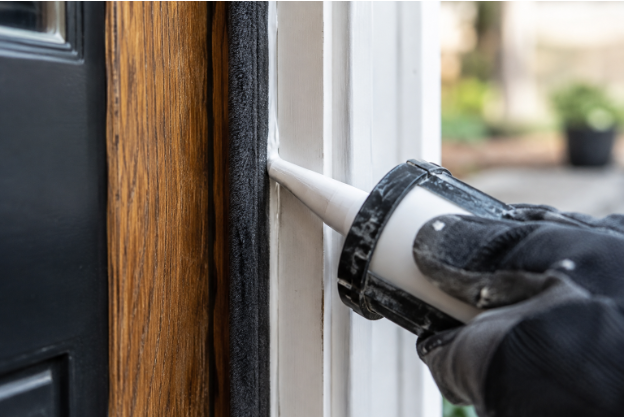
Spring is also a good time to replace damaged caulk around windows, doors, plumbing lines, and utility openings. Keep mulch, soil, leaf litter, and plant debris from resting against siding or wooden features. Watch for ant trails, winged termites, or carpenter ants near damp wood, window frames, and exterior walls.
Outdoor activity also calls for tick awareness. Missouri guidance on yard care, protective clothing, and tick checks after time outside can support a broader spring routine, particularly for households that garden, hike, or spend time in brushy parts of the yard.
Summer: Reduce Water and Food Sources
Summer pest prevention often comes down to removing water and food sources. Empty water from plant saucers, toys, buckets, tarps, birdbaths, and other containers at least once a week. Keep trash and recycling lids closed, wipe up spills promptly, and avoid leaving pet food outdoors for extended periods.
Trim branches and shrubs away from doors, windows, and rooflines so pests have fewer concealed routes toward the house. Inspect patios, decks, play areas, sheds, and eaves for wasp or hornet activity. Use outdoor lights only when needed, since some flying insects are attracted to light around entryways. In the greater St. Louis area, mosquito prevention deserves regular attention, and mosquitoes testing positive for West Nile virus reinforce the value of removing standing water, using EPA-registered repellent as directed, and wearing clothing that covers exposed skin when mosquito activity is high.
Fall: Stop Pests Before They Move Indoors
- Inspect the foundation, roofline, garage door, vents, and utility openings for cracks or gaps.
- Install or replace door sweeps, and repair torn window or vent screens.
- Move leaf piles, stacked branches, lumber, and unused materials away from the foundation.
- Store birdseed, pet food, and animal feed in hard-sided containers with secure lids.
- Confirm that attic vents and chimney openings are properly screened.
- Watch for mice, stink bugs, lady beetles, spiders, and other pests seeking indoor shelter.
A Simple Monthly Home Inspection
- Kitchen: Check under sinks, behind appliances, and in pantry areas for crumbs, leaks, or insect activity.
- Bathroom: Look for slow leaks, damp cabinets, and openings around plumbing.
- Basement: Inspect for moisture, foundation cracks, droppings, and insulation damage.
- Attic: Look for stains, odors, nesting material, gnaw marks, and damaged screens.
- Yard: Remove standing water, trim vegetation, and inspect wood piles or stored materials.
- Exterior: Review door seals, screens, vents, foundation joints, and utility penetrations.
How to Tell if a Problem Needs More Than DIY Steps
One insect or spider indoors does not automatically mean there is an infestation. Repeated sightings in multiple rooms, however, can indicate a larger issue. Other signs that deserve closer attention include fresh droppings, nesting material, new holes in food packages or wood, strong odors from enclosed spaces, or stinging insects near doors and play areas.
Termite wings, mud tubes, or hollow-sounding wood should be evaluated promptly. Identify the pest before selecting a product, follow all label directions, and never mix chemicals. Homes with children, pets, older adults, or residents with health concerns may require additional precautions when using pest-control products.
Common Questions About Seasonal Pest Prevention
When should St. Louis homeowners start spring pest checks?
Late winter and early spring are practical starting points. An early inspection gives homeowners time to address drainage, repair exterior gaps, and remove damp debris before seasonal insect activity becomes more noticeable.
Is year-round pest prevention necessary?
Every home is different. Construction details, nearby vegetation, moisture levels, surrounding properties, and past pest activity all matter. Even without recurring problems, a regular inspection routine can help spot developing conditions early.
What attracts rodents in the fall?
Rodents look for shelter, food, water, clutter, and small openings. Garages, foundations, rooflines, vents, and utility lines are all areas worth checking before cooler weather arrives.
How often should standing water be removed?
Check containers at least weekly and after significant rainfall. Include gutters, toys, plant saucers, unused equipment, tarps, and any item that can hold water.
When is it time to call a professional?
Seek professional guidance when activity continues after basic repairs and cleaning, when structural damage is possible, when stinging insects create a safety concern, or when the source of the problem cannot be located.
A Practical Prevention Checklist
- Inspect the home at the start of each season.
- Repair leaks, drainage issues, damaged screens, and worn seals promptly.
- Seal gaps around doors, foundations, pipes, vents, and utility lines.
- Store food, pet food, and birdseed securely.
- Keep vegetation, mulch, and yard debris away from exterior walls.
- Remove standing water every week.
- Record unusual activity with dates and photos.
- Use targeted solutions only after identifying the likely pest.
- Ask for help when the issue is persistent, concealed, or potentially damaging.
Conclusion
Seasonal pest control offers St. Louis homeowners a clear, practical way to protect their homes in 2026. Controlling moisture, removing food sources, sealing entry points, and inspecting quiet spaces can make pest activity easier to detect and address before it disrupts daily life.