Home Device Decoradtech for Smarter Modern Homes

Technology has transformed the way people interact with their homes. Modern households are no longer limited to traditional furniture and decorative elements because smart devices now play an important role in improving convenience, comfort, and efficiency. The concept of home device decoradtech brings together innovative home technology and stylish interior design to create spaces that are both functional and visually appealing. Instead of treating technology as something separate from décor, homeowners are integrating smart devices seamlessly into every room.
The growing popularity of smart homes has encouraged manufacturers to design products that complement modern interiors rather than disrupt them. Smart lighting, intelligent thermostats, automated curtains, voice assistants, and connected security systems are now available in elegant designs that blend naturally with different décor styles. Whether someone lives in a compact apartment or a spacious family home, combining attractive design with advanced technology creates a more enjoyable living environment.
As smart home technology continues to evolve, homeowners are looking beyond simple automation. They want solutions that improve daily routines, reduce energy consumption, enhance safety, and increase property value without sacrificing aesthetics. This balance is exactly what home device decoradtech aims to achieve, making it one of the most practical home improvement trends in today’s digital lifestyle.
What Is Home Device Decoradtech?
The term home device decoradtech refers to the integration of smart home devices with thoughtful interior decoration and functional home design. Rather than placing technology randomly throughout a house, this approach focuses on selecting devices that enhance both appearance and usability.
For example, smart speakers are now available in fabric-covered finishes that resemble decorative accessories. Smart lighting systems can create different moods while remaining almost invisible during the day. Modern thermostats feature sleek minimalist displays that complement contemporary walls, while motorized blinds disappear neatly into window frames. These innovations demonstrate that technology no longer has to look industrial or bulky.
Homeowners also appreciate the flexibility of smart ecosystems that connect multiple devices into a single control platform. Instead of managing separate systems, users can operate lighting, entertainment, climate, and security from one smartphone application or voice assistant. This seamless integration creates a cleaner living space with fewer visible switches and controls.
Why Homeowners Are Choosing Smart Decor Technology
Today’s homeowners value convenience just as much as appearance. Modern lifestyles often involve busy schedules, remote work, and increasing energy costs, making automation more valuable than ever. Smart devices simplify routine tasks while allowing homes to maintain an elegant, uncluttered appearance.
Another reason for the growing demand is improved product design. Earlier generations of smart devices often prioritized functionality over style. Current models focus equally on aesthetics, offering premium finishes, compact dimensions, and customizable colors that match different interior themes.
Many homeowners also recognize the long-term financial benefits. Energy-efficient lighting, intelligent climate control, and automated appliances reduce unnecessary electricity usage. Over time, these savings help offset the initial investment while supporting environmentally responsible living.
Essential Devices for a Modern Smart Home
Creating a connected home does not require purchasing every available smart gadget. Instead, successful home device decoradtech focuses on selecting devices that genuinely improve everyday life while blending naturally into the home’s design.
Smart Lighting Systems
Lighting is often the first upgrade homeowners choose because it offers immediate improvements in comfort and ambiance. Smart bulbs and connected light strips allow users to adjust brightness, color temperature, and schedules throughout the day. Warm lighting creates relaxing evening environments, while brighter white light improves focus during work hours.
Many homeowners also install motion sensors in hallways, bathrooms, and outdoor areas. These sensors increase convenience while reducing unnecessary electricity usage by ensuring lights operate only when needed.
Intelligent Climate Control
Smart thermostats and connected air conditioning systems automatically adjust indoor temperatures based on occupancy, weather conditions, and user preferences. Instead of manually changing settings throughout the day, homeowners enjoy consistent comfort while reducing energy waste.
Climate automation also supports healthier indoor environments by maintaining stable temperatures and humidity levels, particularly during changing seasons.
Smart Security Solutions
Security has become a major priority in modern households. Video doorbells, wireless security cameras, smart locks, and connected alarm systems provide continuous monitoring whether homeowners are inside or away from the property.
Real-time notifications allow users to respond immediately to unexpected activity. Modern security devices also feature elegant designs that integrate neatly with entryways and exterior architecture rather than appearing intrusive.
Voice-Controlled Smart Assistants
Voice assistants have become central control hubs for many connected homes. Users can control lighting, entertainment systems, thermostats, reminders, shopping lists, and household routines using simple voice commands.
These assistants continue improving through artificial intelligence, allowing them to understand natural speech and personalized routines more accurately than previous generations.

Designing a Beautiful Smart Living Space
Technology should enhance interior design rather than dominate it. Successful home device decoradtech considers placement, color coordination, cable management, and furniture arrangement from the beginning of the design process.
Hidden wiring creates cleaner walls and minimizes visual clutter. Many homeowners install cable channels behind televisions or use wireless charging stations built into furniture. Smart speakers can be placed on bookshelves alongside decorative accessories, while compact security cameras can blend into shelving or architectural features.
Natural materials such as wood, stone, and fabric also complement modern smart devices. Manufacturers increasingly use premium finishes that harmonize with Scandinavian, minimalist, industrial, and contemporary design styles. As a result, smart technology feels like part of the décor instead of standing apart from it.
Smart Home Features and Their Benefits
| Smart Device | Primary Purpose | Main Benefit |
|---|---|---|
| Smart Lighting | Automated lighting control | Saves energy and creates ambiance |
| Smart Thermostat | Climate management | Improves comfort and efficiency |
| Smart Lock | Secure entry | Better home security |
| Video Doorbell | Visitor monitoring | Real-time alerts and convenience |
| Smart Speaker | Voice control | Centralized device management |
| Smart Blinds | Automated window coverings | Privacy and energy efficiency |
Energy Efficiency Through Smart Automation
One of the strongest advantages of home device decoradtech is its contribution to energy conservation. Modern automation systems learn daily routines and optimize device operation without constant user input. Lights automatically switch off when rooms are empty, thermostats reduce heating or cooling while occupants are away, and smart plugs disconnect idle electronics that consume standby power.
Many smart home applications also provide detailed energy reports. These insights help homeowners identify which appliances consume the most electricity and encourage better usage habits. Small adjustments across multiple devices often produce noticeable reductions in monthly utility bills while lowering overall environmental impact.
Creating Personalized Smart Home Experiences
Smart homes have evolved beyond simple on-and-off automation. Today’s systems allow users to create customized scenes that activate multiple devices simultaneously.
For example, a “Movie Night” routine might dim the lights, close motorized curtains, lower speaker volume notifications, and turn on the television with a single command. A “Good Morning” routine can gradually brighten bedroom lights, adjust the thermostat, open blinds, and begin playing news updates.
Some common personalized automation ideas include:
- Wake-up routines with lighting, music, and climate adjustments.
- Vacation modes that simulate occupancy for improved security.
- Evening relaxation scenes with warm lighting and calming audio.
- Automatic outdoor lighting based on sunset times.
These routines make daily activities smoother while reducing the number of manual tasks homeowners perform.
Tips for Building a Smart Home Successfully
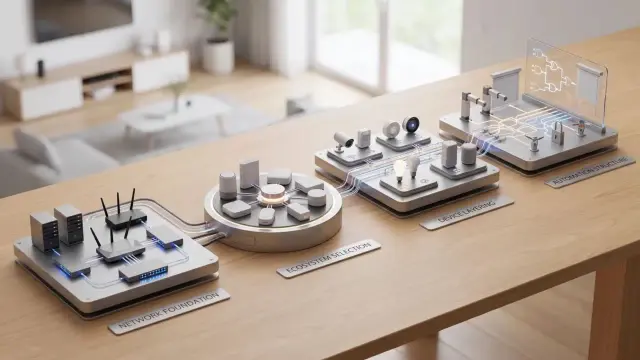
Investing in technology becomes much easier when homeowners plan carefully instead of purchasing devices randomly. Compatibility between products is one of the most important considerations because connected devices should communicate smoothly within the same ecosystem.
Helpful planning tips include:
- Start with lighting and security before expanding into advanced automation.
- Choose devices that support future upgrades and software updates.
- Prioritize strong Wi-Fi coverage throughout the house.
- Select products that complement your existing interior style.
- Focus on practical improvements rather than buying unnecessary gadgets.
Taking a gradual approach allows homeowners to understand which features provide the greatest value while avoiding compatibility issues later.
Common Challenges and How to Overcome Them
Although smart home technology offers many advantages, homeowners should also understand its potential challenges. Device compatibility remains one of the most common concerns because different manufacturers may support different communication standards. Choosing products within compatible ecosystems reduces this issue significantly.
Privacy is another important consideration. Connected devices often collect operational data to improve performance. Homeowners should review privacy settings carefully, enable two-factor authentication whenever available, and regularly update device software to maintain strong security.
Internet connectivity can also affect automation performance. A reliable wireless network with sufficient coverage ensures devices respond quickly and remain connected throughout the home. Investing in quality networking equipment often improves the overall smart home experience.
Future Trends in Home Device Decoradtech
The future of home device decoradtech is becoming increasingly intelligent through artificial intelligence, machine learning, and advanced automation. Homes are beginning to anticipate user behavior rather than simply responding to commands. Lighting may automatically adjust according to weather conditions, while climate systems learn seasonal preferences with minimal manual input.
Manufacturers are also placing greater emphasis on sustainability by producing energy-efficient devices made from recyclable materials. Wireless charging furniture, transparent smart displays, invisible speakers, and integrated architectural technology are expected to become more common in future homes.
Artificial intelligence will continue improving voice recognition, predictive automation, and personalized recommendations, allowing homes to become more responsive while maintaining elegant, minimalist designs.
FAQs
What does home device decoradtech mean?
Home device decoradtech refers to combining smart home devices with attractive interior design. The goal is to create living spaces that are efficient, connected, comfortable, and visually appealing without allowing technology to dominate the home’s appearance.
Is home device decoradtech suitable for small homes?
Yes. Small apartments and compact homes often benefit even more from smart technology because automated lighting, compact security devices, and multifunctional smart equipment help maximize available space while reducing clutter.
Can smart home devices reduce electricity bills?
Many smart devices contribute to lower energy consumption by automating lighting, heating, cooling, and appliance usage. Although savings vary depending on household habits, intelligent automation generally improves overall energy efficiency.
Do I need professional installation?
Not always. Many smart devices are designed for simple self-installation using mobile applications. However, integrated lighting systems, electrical upgrades, and advanced security installations may require professional assistance for optimal performance.
Is smart home technology secure?
Modern smart home devices include multiple security features such as encrypted communication, authentication methods, and software updates. Homeowners can improve protection further by using strong passwords, secure Wi-Fi networks, and regular firmware updates.
Conclusion
The modern home is becoming a place where technology and design work together instead of competing for attention. Home device decoradtech represents this evolution by combining intelligent automation with stylish interiors that improve everyday living. From smart lighting and energy-efficient climate control to elegant security systems and voice-controlled convenience, connected technology now enhances both functionality and aesthetics.
As innovation continues to advance, homeowners have more opportunities than ever to create personalized living environments that reflect their lifestyles while improving efficiency, comfort, and sustainability. By choosing compatible devices, planning carefully, and focusing on practical upgrades, anyone can build a smart home that remains beautiful, future-ready, and enjoyable for years to come.