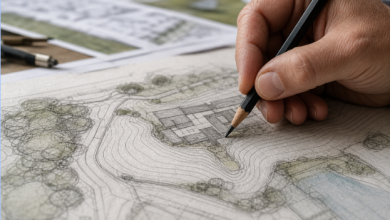
Home Renovation: The Complete Guide to Transforming Your Living Space


A well-planned home renovation can completely transform the appearance, functionality, and value of a property. Whether you are updating a single room or undertaking a full-house makeover, renovating your home provides an opportunity to create a more comfortable and personalized living environment. Modern homeowners increasingly view renovation as an investment that enhances both lifestyle and property value.
The process involves much more than choosing paint colors or replacing furniture. It requires strategic planning, budgeting, design decisions, and coordination among various professionals. A successful renovation balances aesthetics with practicality while staying within financial limits.
As housing prices continue to rise in many areas, renovating an existing property often makes more sense than moving to a new one. From modern kitchens and luxurious bathrooms to energy-efficient upgrades and smart home integrations, today’s renovation possibilities are virtually endless. Understanding the key stages and considerations involved can help homeowners make informed decisions and achieve their desired results.
Why Home Renovation Is a Worthwhile Investment
One of the biggest reasons homeowners choose renovation projects is the opportunity to improve property value. Upgraded kitchens, remodeled bathrooms, and enhanced curb appeal often deliver strong returns on investment when it comes time to sell.

Beyond financial benefits, renovation significantly improves daily living. Older homes may lack functionality, storage space, or modern amenities. Renovation allows homeowners to adapt their spaces to changing needs, whether accommodating a growing family, creating a home office, or improving accessibility.
A thoughtful home renovation can also reduce long-term maintenance costs. Replacing outdated systems such as plumbing, electrical wiring, roofing, and insulation helps prevent expensive repairs in the future. Energy-efficient upgrades lower utility bills while contributing to environmental sustainability.
Another advantage is customization. Instead of settling for a home’s existing layout and design, renovation gives owners the freedom to create spaces that reflect their preferences, lifestyle, and personality. This combination of financial, practical, and personal benefits makes renovation a valuable investment for many homeowners.
Planning Your Renovation Project
Proper planning is the foundation of every successful renovation project. Without a clear strategy, costs can escalate, timelines may extend, and desired outcomes can become difficult to achieve.
Begin by identifying your renovation goals. Determine whether your focus is increasing property value, improving functionality, enhancing aesthetics, or addressing maintenance issues. Once objectives are clear, create a detailed list of priorities.
Developing a realistic budget is equally important. Include labor costs, materials, permits, design fees, and a contingency fund for unexpected expenses. Experts often recommend reserving 10–20% of the total budget for unforeseen issues.
Consider the timeline carefully. Large-scale renovations may require temporary relocation, especially when kitchens or bathrooms are involved. Establishing clear milestones helps keep the project organized and manageable.
Working with qualified professionals such as architects, interior designers, and contractors can simplify planning. Their expertise ensures that designs are practical, compliant with regulations, and aligned with your budget.
Setting a Realistic Renovation Budget
Budgeting is often the most challenging aspect of a renovation project. Many homeowners underestimate costs, leading to financial stress and unfinished work.
The first step is obtaining multiple estimates from contractors. Comparing quotes provides a clearer understanding of market rates and helps identify potential cost-saving opportunities. Be cautious of unusually low estimates, as they may indicate poor-quality materials or workmanship.
A comprehensive budget should include:
- Construction and labor costs
- Building permits and inspections
- Design and consultation fees
- Materials and fixtures
- Furniture and décor
- Emergency contingency fund
Tracking expenses throughout the project is essential. Modern budgeting apps and spreadsheets can help homeowners monitor spending and stay within financial limits.
Prioritize investments that deliver long-term value. Structural repairs, energy-efficient improvements, and kitchen or bathroom upgrades typically provide better returns than purely cosmetic changes. Careful budgeting ensures that your home renovation remains financially sustainable while achieving desired outcomes.
Popular Areas for Home Renovation
Different areas of a home offer unique opportunities for improvement. Understanding where renovations have the greatest impact helps homeowners allocate resources effectively.
Kitchen Renovation
The kitchen is often considered the heart of the home. Modern kitchens emphasize functionality, storage, and visual appeal. Working with an experienced Kitchen Remodeling Contractor can help homeowners plan custom cabinetry, stone countertops, energy-efficient appliances, and improved lighting systems that maximize both style and functionality.
Bathroom Remodeling
Bathrooms are among the most frequently renovated spaces. Features such as walk-in showers, double vanities, modern fixtures, and water-saving technology enhance both comfort and property value.
Living Room Improvements
Living rooms benefit from updated flooring, improved lighting, and open-concept layouts. These enhancements create welcoming spaces for relaxation and entertainment.
Bedroom Upgrades
Renovated bedrooms focus on comfort and organization. Built-in storage solutions, better insulation, and modern décor contribute to a more enjoyable living experience.
Outdoor Spaces
Patios, decks, landscaping, and outdoor kitchens extend usable living space and improve curb appeal significantly.
Home Renovation Cost Comparison Table
| Renovation Area | Typical Cost Level | Potential ROI | Project Complexity |
|---|---|---|---|
| Kitchen | High | High | High |
| Bathroom | Medium to High | High | Medium |
| Living Room | Medium | Moderate | Low to Medium |
| Bedroom | Low to Medium | Moderate | Low |
| Roofing | High | High | High |
| Landscaping | Medium | Moderate to High | Medium |
| Flooring | Medium | Moderate | Low |
| Energy Efficiency Upgrades | Medium | High | Medium |
Choosing the Right Design Style
Selecting a cohesive design style ensures consistency throughout the home. Popular renovation styles include modern, contemporary, farmhouse, industrial, traditional, and minimalist designs.
Modern interiors emphasize clean lines, neutral colors, and functional layouts. Contemporary styles focus on current design trends while maintaining flexibility. Farmhouse aesthetics combine rustic charm with practical features, creating warm and inviting spaces.

When choosing a style, consider your home’s architecture. A design that complements the structure creates a more harmonious appearance. Additionally, think about long-term appeal rather than temporary trends. Timeless designs often retain value and remain attractive for years.
Color palettes, materials, textures, and furniture choices should work together to support the overall vision. Consistency across rooms enhances flow and creates a polished appearance. During any home renovation, thoughtful design planning helps ensure a satisfying final result that aligns with personal preferences and practical needs.
Energy-Efficient Renovation Upgrades
Energy efficiency has become a major priority for homeowners. Sustainable upgrades reduce utility expenses while minimizing environmental impact.
Improved insulation is one of the most effective investments. Properly insulated walls, roofs, and floors help maintain indoor temperatures and reduce heating and cooling costs. Replacing old windows with energy-efficient models further improves performance.
Modern HVAC systems consume less energy while delivering better comfort. Smart thermostats allow homeowners to control temperatures remotely and optimize energy usage.
Other energy-saving improvements include:
- LED lighting installation
- Solar panel integration
- Energy-efficient appliances
- Water-saving fixtures
- High-performance doors and windows
These upgrades often qualify for incentives or rebates depending on local regulations. Beyond financial savings, they contribute to healthier indoor environments and increased property value.
Common Renovation Mistakes to Avoid
Even carefully planned projects can encounter challenges. Understanding common mistakes helps homeowners avoid costly setbacks.
One frequent error is underestimating the budget. Unexpected structural issues, material shortages, and design changes can quickly increase costs. Maintaining a contingency fund provides protection against these surprises.
Another mistake is prioritizing aesthetics over functionality. Beautiful spaces should also meet practical requirements. Consider traffic flow, storage needs, lighting, and maintenance requirements during design planning.
Poor contractor selection can lead to delays, substandard workmanship, and disputes. Always verify credentials, review references, and obtain written contracts.
Additional mistakes include:
- Ignoring permit requirements
- Following short-term design trends
- Purchasing low-quality materials
- Making excessive changes mid-project
- Neglecting future maintenance needs
Avoiding these issues increases the likelihood of a smooth and successful renovation experience.
Working with Renovation Professionals
Professional expertise can significantly improve project outcomes. Architects, designers, engineers, and contractors each contribute valuable skills during different stages of renovation.
Architects are particularly useful for structural modifications and major layout changes. Interior designers help create cohesive spaces that balance aesthetics and functionality. Contractors coordinate construction activities and manage tradespeople.
Clear communication is essential when working with professionals. Establish expectations regarding budgets, timelines, materials, and design objectives from the beginning. Regular meetings help address concerns before they become major problems.
Request detailed contracts that outline project scope, payment schedules, responsibilities, and completion dates. Written agreements protect both homeowners and contractors throughout the renovation process.
Professional guidance often reduces costly mistakes and ensures compliance with local building regulations. While hiring experts increases upfront costs, their knowledge can save money and stress over the long term.
Future Trends in Home Renovation
The renovation industry continues to evolve as technology and lifestyle preferences change. Smart home integration is becoming increasingly popular, allowing homeowners to control lighting, security, temperature, and entertainment systems through connected devices.
Flexible living spaces are another growing trend. Rooms designed for multiple purposes provide adaptability as family needs change. Home offices, fitness areas, and multifunctional spaces have gained importance in recent years.
Sustainability remains a major focus. Recycled materials, energy-efficient systems, and environmentally friendly construction practices are shaping modern renovation projects.
Wellness-oriented design is also gaining attention. Improved indoor air quality, natural lighting, and biophilic elements such as plants and natural materials contribute to healthier living environments.
As technology advances, future home renovation projects will likely place even greater emphasis on efficiency, comfort, sustainability, and personalized living experiences.
Conclusion
A successful home renovation combines careful planning, realistic budgeting, thoughtful design, and skilled execution. Whether upgrading a kitchen, modernizing a bathroom, improving energy efficiency, or transforming an entire property, renovation offers significant benefits for homeowners.
Read more: Small Modern House Design: Creating Stylish and Functional Living Spaces