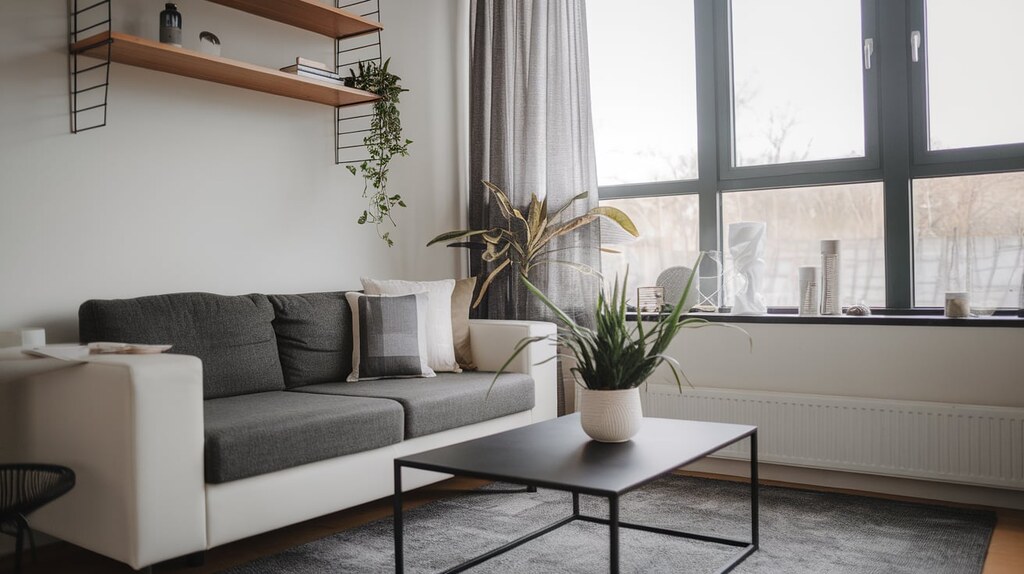
How to Choose a Rug for a Small Room That Looks Bigger

:max_bytes(150000):strip_icc()/GettyImages-1210163723-8e0e5379056f4e79a75fb55b6f40aa3d.jpg "how to choose a rug for a small room")
Introduction
Understanding how to choose a rug for a small room is one of the most effective ways to transform a compact space without structural changes. Rugs do much more than protect flooring or add softness underfoot. They visually define areas, influence how large or small a room feels, and tie furniture together into a cohesive design story. In smaller rooms, every design decision carries more weight, and the wrong rug can make the space feel cramped, dark, or disjointed. The right rug, however, can open up the room, add warmth, and create the illusion of extra square footage. Choosing wisely requires attention to proportion, color, texture, and placement, all working together to support the room rather than overwhelm it.
Understanding Room Proportions and Visual Balance
Before selecting any rug, it is essential to understand the proportions of the room itself. Small rooms often suffer visually when elements are either too large or too tiny. A rug that is undersized can make furniture look awkwardly placed, while an oversized rug may overpower the space. The goal is balance, where the rug complements the room’s dimensions and supports natural movement. Measuring the room carefully and visualizing how the rug will sit in relation to walls, doorways, and furniture helps avoid common mistakes. Thinking in terms of visual flow rather than just square footage allows the rug to enhance harmony and make the room feel intentional rather than cluttered.
Choosing the Right Rug Size for a Small Room
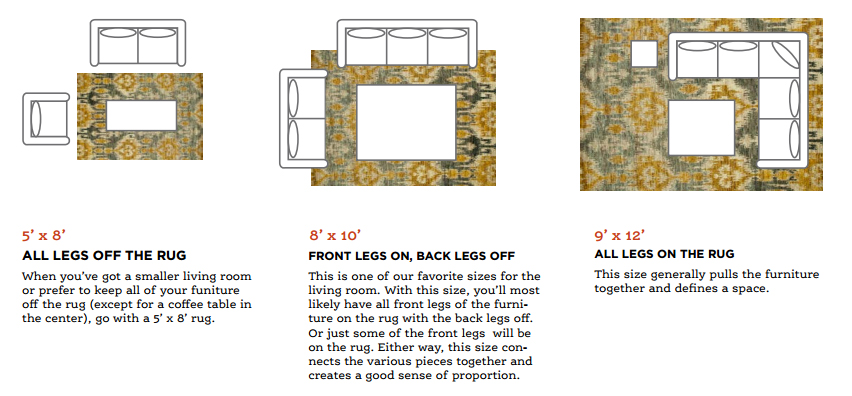
Size is the most critical factor when deciding how to choose a rug for a small room because it directly affects how spacious the area feels. Contrary to popular belief, very small rugs rarely work well in compact rooms. They tend to float in the middle of the floor, breaking up the visual field and making the room feel smaller. A rug that is large enough to anchor key furniture pieces, such as the front legs of a sofa or the base of a bed, creates continuity and expands the perceived boundaries of the room. Leaving a consistent border of visible flooring around the rug helps frame the space and prevents it from feeling boxed in. The right size allows the eye to travel smoothly across the room, which is essential in limited spaces.
The Role of Color in Making a Small Room Feel Larger
Color has a powerful psychological impact, especially in small rooms. Light and neutral tones tend to reflect light, making spaces feel airy and open, while darker shades absorb light and can visually shrink the room. When thinking about how to choose a rug for a small room, consider colors that complement the existing palette without creating heavy contrast. Soft beiges, light grays, muted pastels, and warm creams often work well because they blend seamlessly with walls and flooring. This does not mean bold colors are off-limits, but they should be used thoughtfully. A rug with subtle color variation or gentle tonal shifts can add interest without overwhelming the space or making it feel closed in.
Patterns and Their Impact on Visual Space
Patterns can either enhance or hinder the sense of space in a small room depending on scale and design. Large, bold patterns may dominate the floor and draw too much attention, which can make the room feel busy. On the other hand, very tiny patterns may create visual noise that disrupts calmness. Medium-scale patterns or simple geometric designs often strike the right balance. Linear patterns, especially stripes or elongated motifs, can visually stretch the room, making it appear longer or wider. Understanding how patterns guide the eye is essential when learning how to choose a rug for a small room, as the right pattern can subtly reshape how the room is perceived.
Texture and Pile Height Considerations

Texture plays a subtle yet important role in small-room design. Thick, high-pile rugs feel luxurious but can add visual and physical bulk, which may not be ideal in tight spaces. Low-pile or flatweave rugs tend to work better because they sit closer to the floor and maintain a clean, streamlined look. Natural textures such as cotton blends, wool with a tight weave, or synthetic fibers designed for durability can add warmth without heaviness. Texture should enhance comfort while maintaining openness, ensuring the rug contributes to the room’s functionality as well as its aesthetics.
Furniture Placement and Rug Integration
A rug should never feel like an afterthought in a small room. Its placement in relation to furniture is crucial to achieving a cohesive look. When furniture partially rests on the rug, it creates a unified zone that feels intentional and grounded. This approach is particularly helpful in compact living areas or bedrooms where defining space is essential. Leaving all furniture completely off the rug can fragment the room visually. Understanding how to choose a rug for a small room includes planning placement so the rug supports furniture layout rather than competing with it. Proper integration encourages flow and makes the room feel more spacious and organized.
Layering Rugs in Compact Spaces
Layering rugs may seem counterintuitive in small rooms, but when done thoughtfully, it can add depth and character without crowding the space. A simple base rug in a neutral tone paired with a smaller accent rug can introduce texture and personality. The key is restraint and coordination. Keeping colors harmonious and patterns understated prevents the layered look from becoming overwhelming. This technique works especially well in studio apartments or multipurpose rooms, where visual separation is needed without physical dividers.
Lighting and Its Interaction with Rugs
Lighting significantly influences how a rug appears in a small room. Natural and artificial light interact with colors, textures, and patterns, altering perception throughout the day. Lighter rugs tend to amplify available light, while darker rugs can ground the room but may reduce brightness. Considering lighting conditions helps refine how to choose a rug for a small room so that it enhances rather than diminishes the ambiance. Positioning the rug where it catches light evenly ensures its design features are visible and contributes positively to the room’s overall feel.
Material Choices for Durability and Comfort
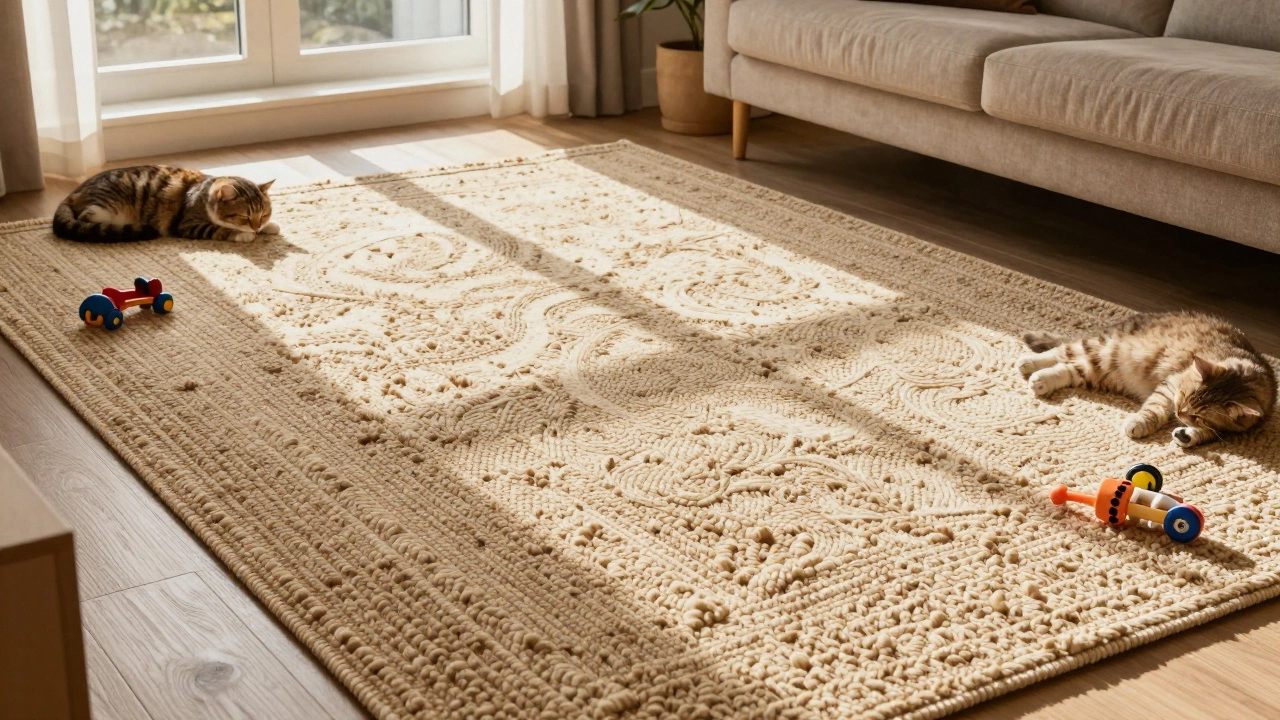
Material selection goes beyond aesthetics, especially in small rooms that often see heavy use. Durable materials that are easy to clean help maintain a fresh appearance over time. Wool is a popular choice for its resilience and natural warmth, while synthetic fibers offer stain resistance and affordability. Choosing the right material ensures the rug remains practical without sacrificing style. Comfort underfoot is also important, as smaller rooms often feel more intimate, making tactile experience a bigger part of daily interaction.
Budget Considerations and Long-Term Value
Budget plays a role in every design decision, but value should be considered alongside cost. Investing in a well-made rug that fits the room properly can prevent the need for frequent replacements. Understanding how to choose a rug for a small room includes evaluating craftsmanship, material quality, and timeless design. A versatile rug that adapts to future decor changes provides better long-term value than a trend-driven piece that quickly feels outdated. Thoughtful budgeting ensures satisfaction and sustainability in design choices.
Common Mistakes to Avoid in Small Rooms
Many common mistakes can undermine even the most stylish rug. Choosing a rug that is too small, too dark, or overly busy can disrupt balance and make the room feel confined. Ignoring how the rug interacts with furniture and walls often leads to awkward layouts. Learning from these pitfalls helps refine decision-making and reinforces the importance of proportion and cohesion. Awareness of these issues is essential when mastering how to choose a rug for a small room effectively.
Creating a Cohesive Design Story
A rug should feel like a natural extension of the room’s design rather than a standalone element. Coordinating the rug with wall colors, furniture finishes, and accessories creates a unified aesthetic. In small rooms, cohesion is especially important because visual clutter is more noticeable. A well-chosen rug supports the overall theme and reinforces a sense of order, making the space feel calm and inviting.
Conclusion and Final Thoughts
Mastering how to choose a rug for a small room involves more than picking something attractive. It requires understanding proportion, color, texture, placement, and material, all while considering how each element affects perception and comfort. A thoughtfully selected rug can visually expand a room, enhance functionality, and elevate style without overwhelming limited space. By focusing on balance and intention, small rooms can feel just as polished and welcoming as larger ones, proving that size does not limit great design.
Read More:- Best Washing Machine 2024 Buying Guide for Smart Homes