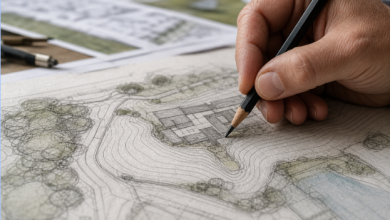
Landscaping Rocks for Beautiful and Low-Maintenance Yards


Outdoor spaces have become more than just lawns and gardens. Homeowners today are investing in attractive, low-maintenance landscapes that enhance curb appeal while reducing water consumption and upkeep costs. Among the many landscaping materials available, landscaping rocks have emerged as one of the most practical and visually appealing choices for modern properties.
Whether used in garden beds, walkways, patios, or decorative features, rocks provide texture, contrast, and long-lasting beauty. Unlike organic mulch that needs frequent replacement, rocks remain durable for years and can withstand changing weather conditions. Their versatility allows homeowners to create everything from natural-looking gardens to sleek contemporary landscapes.
As sustainable landscaping continues to gain popularity, many property owners are turning to landscaping rocks to minimize maintenance while maximizing visual impact. Understanding the different types, applications, and design possibilities can help you create an outdoor space that is both functional and beautiful.
Why Landscaping Rocks Are Popular Today
The growing popularity of rock-based landscaping is closely linked to current environmental and design trends. Many regions face water restrictions and increasing maintenance costs, making traditional lawns less practical. Rocks offer an effective solution by reducing irrigation needs and helping conserve resources.
Another reason homeowners prefer landscaping rocks is their longevity. Unlike wood mulch that decomposes over time, rocks maintain their appearance for many years. They also help suppress weed growth when installed properly with landscape fabric underneath. This combination of durability and convenience makes them an attractive option for residential and commercial landscapes.
From a design perspective, rocks add depth and character to outdoor spaces. Different sizes, colors, and textures allow endless customization opportunities. Whether creating a rustic garden or a modern outdoor retreat, rocks can complement virtually any landscaping style.
Types of Landscaping Rocks
River Rocks
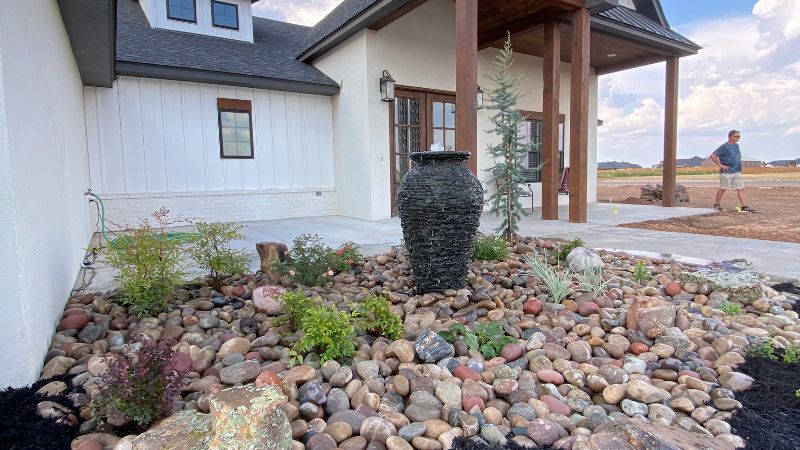
River rocks are smooth stones naturally shaped by flowing water over time. Their rounded appearance makes them ideal for decorative applications, dry creek beds, water features, and garden borders. Available in various colors and sizes, river rocks create a natural and calming aesthetic.
Because of their smooth texture, river rocks are often used around ponds and pathways where a softer visual appearance is desired. Their natural beauty makes them one of the most popular choices among homeowners.
Pea Gravel
Pea gravel consists of small, rounded stones typically measuring between one-quarter and one-half inch in diameter. It is commonly used for pathways, patios, and garden beds. The material provides excellent drainage and creates a casual, natural appearance.
Pea gravel is relatively affordable compared to larger decorative stones. Its versatility and ease of installation make it a practical option for both small and large landscaping projects.
Crushed Stone
Crushed stone is produced by mechanically breaking larger rocks into smaller pieces. Unlike rounded gravel, it has angular edges that lock together effectively. This makes it an excellent material for driveways, pathways, and foundational landscaping applications.
Many landscape designers use crushed stone because it offers stability while still delivering an attractive appearance. It is available in various colors and sizes to suit different design preferences.
Lava Rocks
Lava rocks are lightweight volcanic stones known for their unique texture and striking appearance. Available in red, black, and other dark shades, they add dramatic visual contrast to landscapes.
These rocks are particularly effective in drought-tolerant gardens and contemporary landscape designs. Their porous structure also helps retain some moisture while providing excellent drainage.
Boulders
Large decorative boulders serve as focal points within landscape designs. They can be strategically placed to create natural visual interest, define outdoor spaces, or complement plant arrangements.
Boulders work especially well in larger yards where they provide scale and structure. Their presence can transform an ordinary garden into a more dynamic and professional-looking landscape.

Benefits of Using Landscaping Rocks
The advantages of incorporating landscaping rocks into outdoor designs extend beyond aesthetics. Property owners often appreciate the practical benefits that rocks provide.
- Long-lasting durability with minimal replacement requirements
- Reduced water usage compared to traditional lawns
- Effective weed suppression when installed correctly
- Improved drainage in garden beds and landscaped areas
- Enhanced curb appeal and property value
These benefits make rocks a cost-effective investment for homeowners seeking a balance between beauty and functionality.
Best Uses for Landscaping Rocks
Garden Beds
One of the most common applications for landscaping rocks is in garden beds. Rocks provide a clean, finished appearance while helping retain soil moisture and reduce weed growth. Decorative stones can also highlight flowers, shrubs, and ornamental plants.
Modern garden designs often combine rocks with drought-resistant plants to create attractive landscapes that require less maintenance and irrigation. This approach aligns with current sustainability goals and landscaping trends.
Walkways and Pathways
Rocks are excellent materials for creating pathways throughout a property. Pea gravel, crushed stone, and stepping stones surrounded by decorative rock can establish attractive routes that connect different areas of the landscape.
Well-designed pathways improve accessibility while adding visual interest. They can also help guide visitors through gardens and outdoor living spaces.
Dry Creek Beds
Dry creek beds are decorative landscape features that mimic the appearance of natural streams. Typically constructed using river rocks and larger stones, they help manage drainage while adding a unique design element.
These features are especially useful in areas prone to water runoff. During rainfall, they direct water away from structures while maintaining an attractive appearance year-round.
Outdoor Living Areas
Patios, fire pit areas, and seating spaces often incorporate rocks for both practical and decorative purposes. Crushed stone or gravel can serve as a stable base, while larger rocks provide visual definition around gathering areas.
The use of landscaping rocks in outdoor living spaces creates a natural connection between hardscape features and surrounding gardens.
Choosing the Right Landscaping Rocks
Selecting appropriate rocks depends on several factors, including project goals, climate conditions, and overall design style.
| Rock Type | Best Use | Appearance | Maintenance |
|---|---|---|---|
| River Rock | Water features, borders | Smooth and natural | Low |
| Pea Gravel | Pathways, patios | Small and rounded | Moderate |
| Crushed Stone | Driveways, walkways | Angular and structured | Low |
| Lava Rock | Decorative beds | Bold and textured | Very Low |
| Boulders | Focal points | Large and dramatic | Very Low |
When choosing materials, consider how the rocks will interact with existing plants, structures, and landscape elements. A cohesive design typically combines multiple sizes and textures for a more natural appearance.
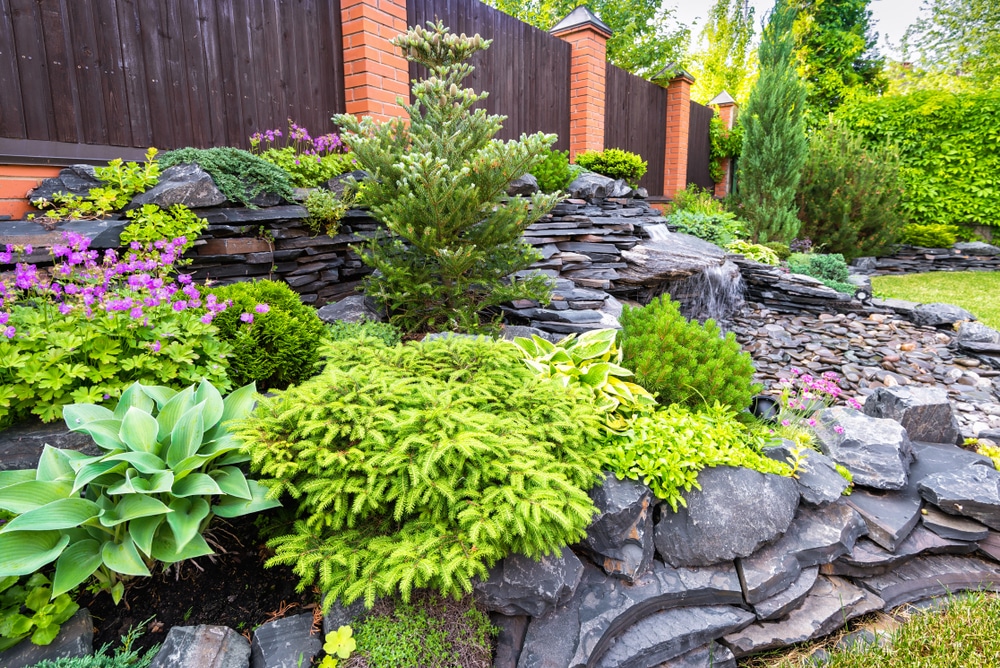
Design Ideas Using Landscaping Rocks
Modern Minimalist Landscapes
Contemporary landscape designs often emphasize simplicity and clean lines. Dark-colored rocks paired with ornamental grasses and geometric planting arrangements create a sophisticated modern aesthetic.
In these settings, landscaping rocks serve as both decorative and functional elements. Their consistent appearance complements modern architecture while reducing maintenance requirements.
Desert-Inspired Gardens
Desert landscapes continue to gain popularity due to their water-efficient characteristics. Combining rocks with succulents, cacti, and drought-tolerant plants creates visually striking outdoor environments.
The natural textures and colors of rocks help reinforce the desert theme while supporting sustainable landscaping practices.
Natural Woodland Settings
For a more organic appearance, designers often blend rocks with native plants, trees, and ground covers. River rocks and boulders can mimic naturally occurring features found in woodland environments.
This approach creates a landscape that feels integrated with its surroundings rather than artificially constructed.
Installation Tips for Landscaping Rocks
Proper installation significantly affects both appearance and performance. Before adding rocks, it is important to prepare the site carefully. Removing weeds, leveling the ground, and installing landscape fabric can help ensure long-term success.
For larger projects, calculating the required volume of material prevents unnecessary expenses and delays. Different rock types have varying coverage rates, so accurate measurements are essential.
Another important consideration is edging. Defined borders help keep rocks in place and create a more polished appearance. Metal, stone, or plastic edging materials can all be effective depending on the design.
Common Installation Mistakes to Avoid
- Skipping landscape fabric beneath the rocks
- Choosing rock sizes that do not match the project scale
- Ignoring drainage considerations
- Using too many different rock colors in one area
Avoiding these mistakes helps create a more professional and visually balanced landscape.
Maintaining Landscaping Rocks
Although rocks require less maintenance than organic mulch, periodic care is still necessary. Leaves, debris, and dirt can accumulate over time, reducing their visual appeal. Occasional cleaning with a leaf blower or garden rake helps maintain a fresh appearance.
Weeds may still emerge in certain areas despite the use of landscape fabric. Prompt removal prevents them from spreading and disrupting the design. Some homeowners also choose to wash decorative rocks periodically to restore their original color and brightness.
The long-term maintenance requirements for landscaping rocks remain relatively low, making them an attractive option for busy property owners.
FAQs
Are landscaping rocks better than mulch?
Both materials offer advantages, but rocks generally last much longer and require less replacement. Mulch provides more nutrients to the soil as it decomposes, while rocks excel in durability and water conservation.
How much do landscaping rocks cost?
Costs vary depending on the type, size, and location. Decorative river rocks and specialty stones are typically more expensive than crushed stone or pea gravel. Transportation expenses can also influence overall pricing.
Do landscaping rocks help prevent weeds?
Yes, when combined with proper landscape fabric and installation techniques, rocks can significantly reduce weed growth. However, occasional maintenance may still be necessary.
Which landscaping rocks are best for drainage?
River rocks, pea gravel, and crushed stone are all excellent choices for improving drainage. Their structure allows water to move efficiently through landscaped areas.
Can landscaping rocks increase property value?
Well-designed landscapes often enhance curb appeal and create a positive first impression. Attractive rock features can contribute to overall property value by improving the appearance and functionality of outdoor spaces.
How often should landscaping rocks be replaced?
Most decorative rocks can last for decades without replacement. Occasional replenishment may be needed if rocks are displaced, but their lifespan is significantly longer than traditional mulch.
Conclusion
The growing demand for sustainable and low-maintenance outdoor spaces has made landscaping rocks a valuable component of modern landscape design. Their durability, versatility, and visual appeal allow homeowners to create attractive environments that remain beautiful throughout the year. From garden beds and pathways to dry creek beds and outdoor living areas, rocks offer countless opportunities for enhancing residential and commercial landscapes.
By selecting the right materials, following proper installation practices, and performing occasional maintenance, property owners can enjoy the benefits of landscaping rocks for many years. Whether your goal is to conserve water, reduce maintenance, or elevate curb appeal, landscaping rocks provide a practical and stylish solution that aligns with today’s landscaping trends.
Read More:-Landscaping Companies Near Me for Stunning Outdoor Spaces