
Ceiling Fan Direction in Winter for Warm, Efficient Homes

:max_bytes(150000):strip_icc()/SPR-ceiling-fan-rotate-direction-1907533-hero-bdc94bc9b34f4c03aec16d6ac9acd346.jpg "ceiling fan direction in winter")
Introduction
Ceiling fan direction in winter is one of the most overlooked yet effective ways to improve indoor comfort during colder months. Many homeowners assume ceiling fans are only useful in summer, but the truth is that a properly adjusted fan can play a significant role in distributing heat evenly throughout a room. Warm air naturally rises and collects near the ceiling, leaving the lower living space cooler. By changing the ceiling fan direction in winter, this trapped warm air is gently pushed back down toward the floor where people actually spend time. This simple adjustment can make a room feel warmer without increasing thermostat settings, which leads to better comfort and energy savings. Understanding how and why this works helps homeowners make smarter decisions about heating efficiency and indoor air circulation.
Why Ceiling Fan Direction Matters During Cold Weather
Ceiling fan direction in winter matters because airflow behavior changes depending on rotation. During summer, fans are typically set to spin counterclockwise to create a cooling breeze. In winter, that same direction can disrupt comfort by creating unnecessary wind chill. Switching the fan to rotate clockwise at a low speed changes the entire effect of the fan. Instead of blowing air directly downward, the fan gently pulls cooler air up and pushes warm air down along the walls. This creates a slow, even circulation that redistributes heat without making the room feel drafty. When ceiling fan direction in winter is set correctly, the room maintains a consistent temperature from floor to ceiling, which improves overall warmth and reduces cold spots.
The Science Behind Warm Air Circulation
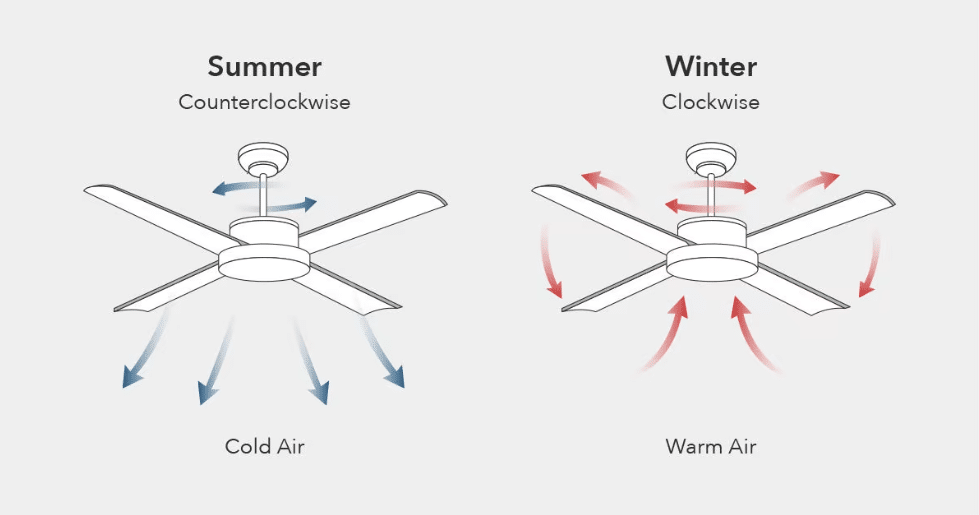
The science behind ceiling fan direction in winter is rooted in basic physics. Warm air is less dense than cool air, so it naturally rises and accumulates near the ceiling. In rooms with high or vaulted ceilings, this effect is even more pronounced, often leading to a significant temperature difference between the ceiling and the floor. When a ceiling fan rotates clockwise at a low speed, it creates an updraft that pulls cooler air upward and forces the warmer air outward and downward along the walls. This gentle circulation pattern avoids the direct breeze associated with summer use. Understanding this airflow pattern explains why ceiling fan direction in winter is essential for maintaining balanced indoor temperatures and maximizing the efficiency of heating systems.
How to Set the Correct Ceiling Fan Direction
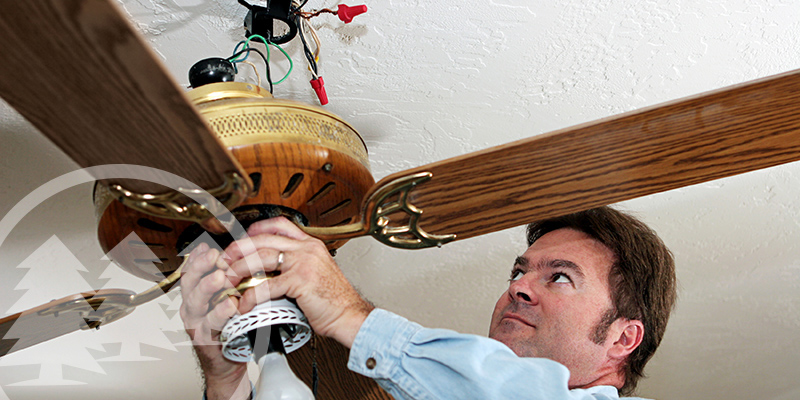
Setting the correct ceiling fan direction in winter is usually simple, but many people are unsure where to start. Most ceiling fans have a small switch located on the motor housing that controls the direction of rotation. During winter, the fan blades should move in a clockwise direction when viewed from below. This setting should always be paired with the lowest speed option to prevent excessive airflow. Once adjusted, the fan should operate quietly and subtly, without creating a noticeable breeze. The goal is not to cool the room but to gently circulate warm air. When ceiling fan direction in winter is set properly, the room feels warmer and more comfortable within a short period of time.
Energy Efficiency Benefits of Winter Fan Use
One of the biggest advantages of using ceiling fan direction in winter correctly is improved energy efficiency. Heating systems work hard to warm a home, but much of that heat can be wasted if it remains trapped near the ceiling. By redistributing warm air, ceiling fans help heating systems operate more effectively. This means the thermostat can often be set a few degrees lower without sacrificing comfort. Over time, this leads to noticeable savings on energy bills. In addition to cost savings, reduced energy consumption also supports environmental sustainability. Ceiling fan direction in winter is a small adjustment that delivers long-term benefits by making better use of the heat already being produced.
Ceiling Fan Direction in Winter for Different Room Types
Ceiling fan direction in winter can be beneficial in nearly every room of the house, but the impact may vary depending on room size and layout. In living rooms, proper fan direction helps keep seating areas warm and comfortable, especially during long evenings. In bedrooms, a gently circulating fan prevents warm air from pooling near the ceiling while maintaining a cozy sleeping environment. Kitchens and dining areas also benefit, as even heat distribution makes these spaces more pleasant during colder months. In rooms with high ceilings, such as entryways or great rooms, ceiling fan direction in winter becomes even more important due to the greater distance warm air must travel to reach the floor.
Common Mistakes to Avoid
Despite its simplicity, ceiling fan direction in winter is often set incorrectly due to common misconceptions. One frequent mistake is leaving the fan on the same setting used during summer, which can create a chilling effect rather than warmth. Another mistake is running the fan at high speed, which disrupts the gentle circulation needed in winter and can make the room feel colder. Some homeowners also forget to adjust fans in rarely used rooms, leading to uneven temperatures throughout the house. Avoiding these mistakes ensures that ceiling fan direction in winter delivers its full benefits without compromising comfort or efficiency.
Impact on Heating System Performance
Ceiling fan direction in winter has a direct impact on how well a heating system performs. Furnaces, heaters, and heat pumps are designed to warm air, but they rely on proper circulation to distribute that warmth evenly. Without assistance, warm air can remain trapped near the ceiling, forcing the heating system to work harder to maintain the desired temperature. By using ceiling fans correctly, homeowners can reduce the workload on their heating systems. This not only improves comfort but also extends the lifespan of heating equipment. Ceiling fan direction in winter supports a more balanced indoor climate and helps heating systems operate more efficiently.
Ceiling Fan Direction in Winter and Indoor Comfort
Indoor comfort is about more than just temperature; it also involves air movement and consistency. Ceiling fan direction in winter enhances comfort by eliminating hot and cold zones within a room. Instead of feeling warm near the ceiling and cold at floor level, the entire space feels evenly heated. This is especially important in homes with open floor plans, where temperature imbalances can be more noticeable. Proper fan direction also reduces the need for supplemental heaters, which can create uneven warmth and increase energy costs. By focusing on ceiling fan direction in winter, homeowners can achieve a more stable and pleasant indoor environment.
Seasonal Transition and Fan Adjustment
As seasons change, adjusting ceiling fan direction in winter should become part of a regular home maintenance routine. Just as people switch wardrobes and prepare heating systems for colder weather, ceiling fans also need attention. Making the switch at the beginning of winter ensures that warm air circulation is optimized from the start of the season. This small habit can prevent discomfort and help maintain consistent indoor temperatures throughout the colder months. Remembering to reverse the fan direction again in spring ensures year-round efficiency and comfort. Ceiling fan direction in winter is a seasonal adjustment that delivers ongoing benefits when done consistently.
Ceiling Fan Direction in Winter for Homes with High Ceilings
Homes with high or vaulted ceilings experience more dramatic heat stratification, making ceiling fan direction in winter particularly important. Warm air can rise several feet above the living space, leaving occupants feeling cold even when the heater is running. In these situations, a ceiling fan set to clockwise rotation at low speed helps bring that warmth back down. The difference in comfort can be immediate and significant. High ceilings often make heating more expensive, but proper fan use helps reduce wasted heat. Ceiling fan direction in winter is a practical solution for maintaining comfort and efficiency in large, open spaces.
Safety and Maintenance Considerations
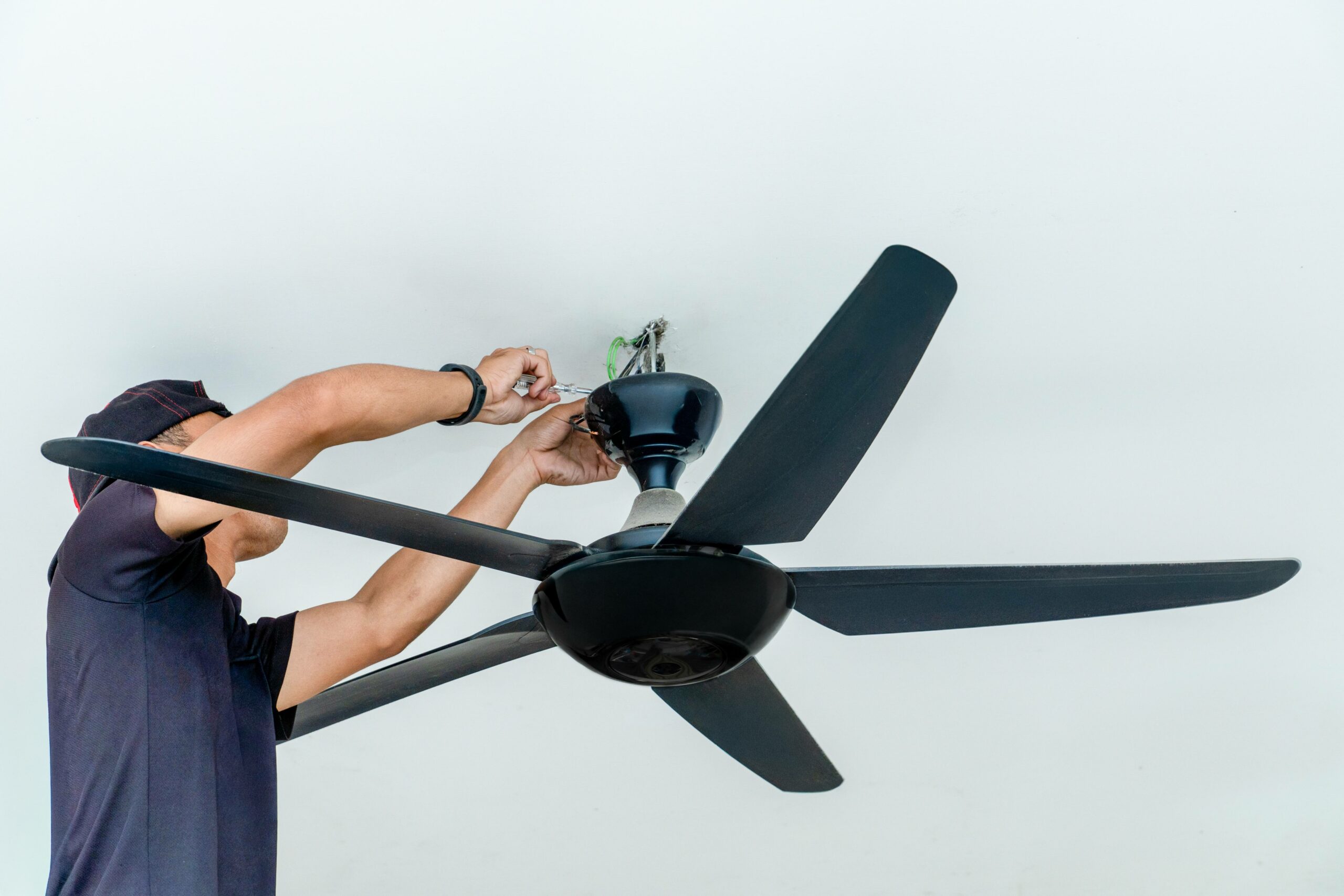
Using ceiling fan direction in winter also involves basic safety and maintenance awareness. Before adjusting the fan direction, it is important to turn off the fan and ensure it has completely stopped. Checking that the fan blades are clean and balanced helps prevent noise and vibration during operation. Regular maintenance ensures smooth performance and prolongs the life of the fan. Proper installation and secure mounting are also essential, especially when fans are used year-round. When ceiling fan direction in winter is combined with good maintenance practices, the fan becomes a reliable and safe tool for improving home comfort.
Psychological Comfort and Warmth Perception
Ceiling fan direction in winter influences not only physical warmth but also how warmth is perceived. Even heat distribution creates a sense of coziness that enhances overall well-being. When cold drafts are eliminated and temperatures feel consistent, people tend to feel more relaxed and comfortable. This psychological aspect of comfort is often underestimated, but it plays a key role in how people experience their living spaces during winter. By ensuring proper fan direction, homeowners can create a warmer atmosphere without increasing heating output. Ceiling fan direction in winter supports both physical and emotional comfort in the home.
Long-Term Cost Savings and Sustainability
Over time, the benefits of correct ceiling fan direction in winter extend beyond immediate comfort. Lower energy consumption leads to reduced utility bills, making this a cost-effective strategy for homeowners. Additionally, using less energy contributes to a smaller environmental footprint. Ceiling fans require significantly less power than heating systems, so using them strategically supports sustainable living practices. The long-term savings and environmental benefits make ceiling fan direction in winter a smart choice for anyone looking to balance comfort, efficiency, and responsibility.
Conclusion, On Ceiling Fan Direction in Winter
Ceiling fan direction in winter is a simple yet powerful tool for improving indoor comfort and energy efficiency. By understanding how warm air behaves and adjusting fan rotation accordingly, homeowners can make better use of existing heating systems. The benefits include more even temperatures, lower energy costs, enhanced comfort, and improved sustainability. Whether in small rooms or large spaces with high ceilings, the correct fan direction plays a crucial role in maintaining warmth during colder months. Making this adjustment part of a seasonal routine ensures that ceiling fans remain useful year-round. With the right approach, ceiling fan direction in winter becomes an essential element of a comfortable, efficient, and well-balanced home.
Read More:- Samsung Washing Machine Guide for Smart, Efficient Home Laundry