

Introduction
Knowing how to properly clean your washing machine is important for keeping it clean, getting better results from your laundry, and making it last longer. A lot of people think that washing machines clean themselves because they always deal with soap and water, but that’s not true at all. Over time, soap residue, fabric softener buildup, hard water minerals, and moisture make a great place for bacteria, mold, and bad smells to grow. If you don’t clean your washing machine often, these dirt and germs can get onto your clothes and make them smell musty or feel less fresh even after a wash cycle. Knowing how and how often to clean your washing machine will help keep your clothing clean and your equipment running smoothly.
Why it’s Important to Clean Your Washing Machine Regularly
People frequently don’t pay much attention to their washing machines until something goes wrong, even though they work hard every day. Over time, dirt, lint, body oils, and detergent residue build up inside the drum, hoses, and filters. This deposit can block parts within, slow down water flow, and put stress on machines. Cleaning the inside of a washing machine correctly eliminates these problems and keeps the machine functioning smoothly. Cleaning your machine regularly also makes it more energy efficient because it takes less energy to heat water and spin it effectively. This habit of keeping things clean can help you use less electricity over time and avoid costly repairs or early replacements.
Signs That Your Washing Machine Needs a Clean
A strong smell that won’t go away is one of the most obvious symptoms that your washing machine needs to be cleaned. If your clothes smell bad after you wash them, it’s likely because bacteria or mold has grown inside the drum or rubber seals. Another symptom of trouble is seeing residue on the drum or the drawer where the detergent is kept. You might also see more lint than usual on your clothes or water that drains more slowly than usual. Knowing how to clean the parts of your washing machine might help you avoid these problems before they get worse. If you don’t pay attention to these early indicators, the contamination can get worse and the washing will work less well.
How Detergent and Fabric Softener Make things build Up
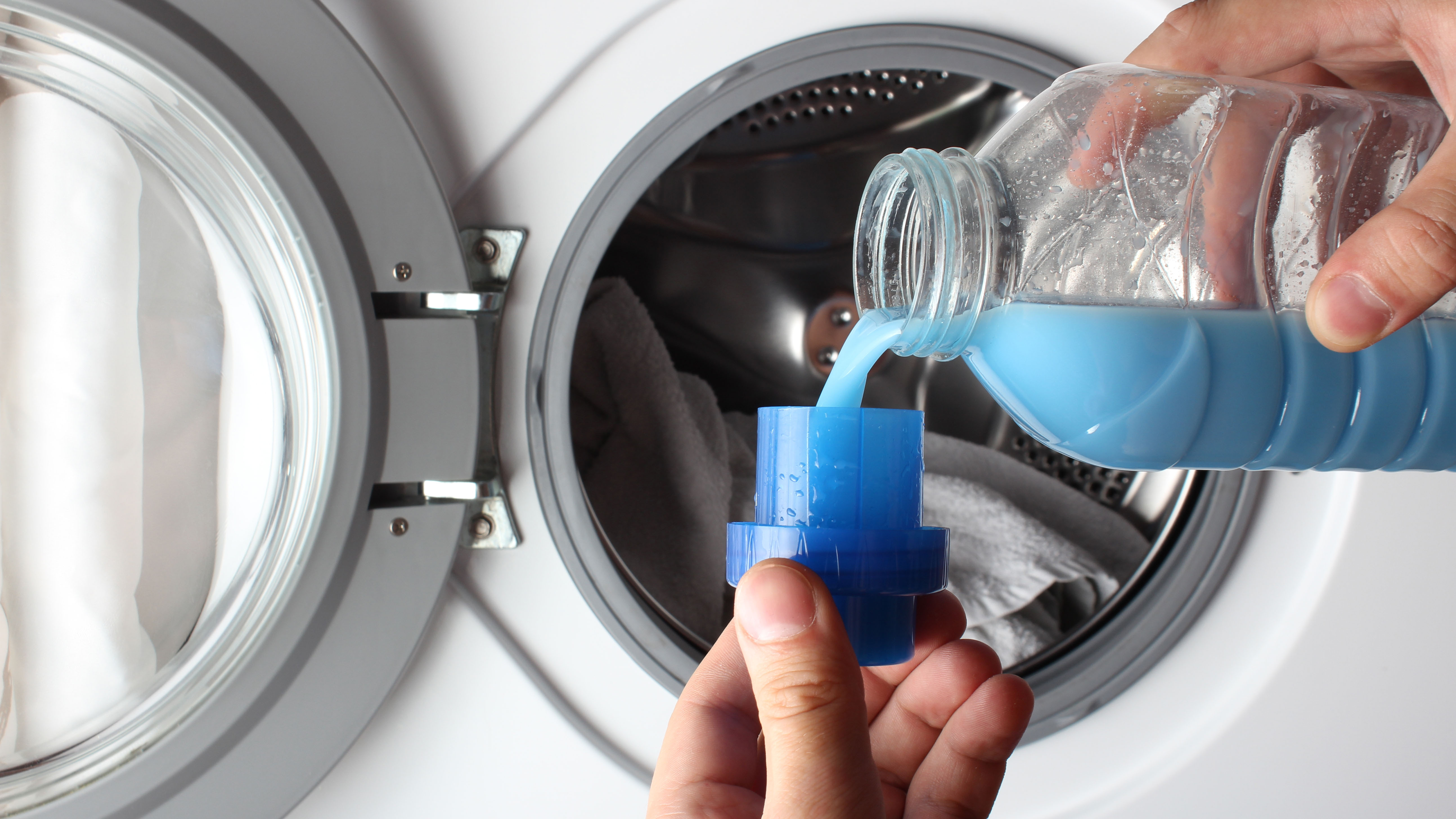
Too much detergent and fabric softener are two of the main causes of washing machine residue. A lot of people think that using more soap makes clothes cleaner, however the extra detergent doesn’t fully dissolve. It settles inside the drum, pipes, and seals, where it sticks to dirt and bacteria. Fabric softeners leave behind a waxy coating that builds up over time and slows down the flow of water. Learning how to clean washing machine systems properly gets rid of these residues and gets the water flowing again. Using the right amount of detergent in the future also helps keep accumulation from happening again.
What Makes Front Load and Top Load Machines Different
Because of how they are made, front-load and top-load washing machines need to be cleaned in various ways. Front load machines are more likely to get mold and smell bad since they use less water and have doors that seal tightly, keeping moisture inside. Rubber gaskets around the door often trap dirt and moisture, which can lead to mold development that you can’t see. Top-load machines usually utilize more water, but they can still build up soap and mineral deposits. Knowing how to clean different types of washing machines depending on their design makes sure that all important sections are cleaned correctly. Different types of things need different cleaning methods and schedules.
How to Get Your Washing Machine Ready for Cleaning
You need to get the washing machine ready before you start cleaning it. Make sure the machine is empty and not linked to any wash cycles that are still going on. Take out any trash you can see from the drum and the drawer for detergent. This preparation makes it easier for cleaning products to get to the inside surfaces. To know how to clean washing machine parts properly, you also need to review the manufacturer’s instructions to make sure you don’t break any delicate parts. Getting ready the right way is the first step in having a comprehensive and successful cleaning session.
Cleaning the Drum for Deep Cleaning
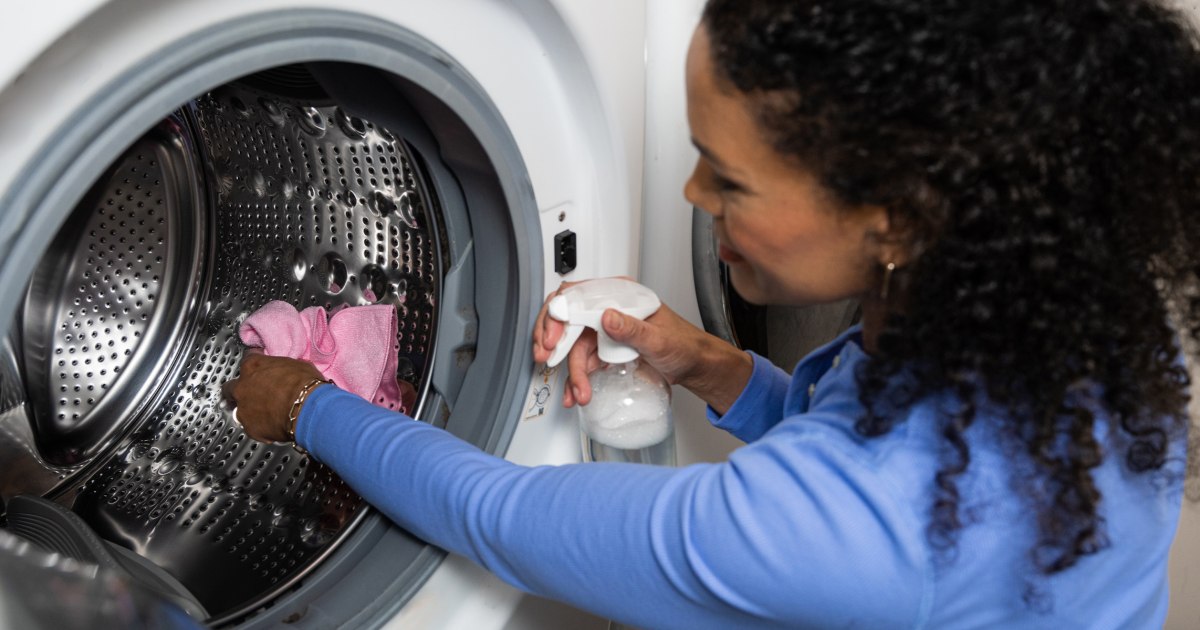
The drum is the most important part of a washing machine, and it needs to be cleaned deeply on a regular basis. Over time, filth and soap scum build up on the drum walls and inside. Using a good cleaning product and running a hot water cycle can help break down buildup and eliminate bacteria. This method also gets rid of smells that have been stuck in the metal or plastic surfaces for a long time. Knowing how to clean washing machine drums well makes sure that clothes are cleaned in a clean place and stops dirt from getting on garments in future cycles.
Getting rid of Mold and Debris from Rubber Seals
Rubber seals are known for holding onto dirt and moisture, especially in front-load machinery. Mold often grows in concealed folds where water stays after each wash. Wiping these spots with a cleaning solution carefully gets rid of mold spores and stops them from growing back. To learn how to clean the inside of a washing machine, you need to pay attention to these seals. Regularly cleaning rubber parts not only makes them cleaner, but it also stops them from wearing out and cracking too soon from being around mold and chemicals for too long.
How to Clean the Detergent Drawer Well

Another place that often collects residue is the detergent drawer. Liquid detergents and fabric softeners typically dry up in the drawer, leaving behind hard deposits. Taking out the drawer and washing it well lets the detergent flow properly again. This easy task is a big part of how to clean washing machine systems all the way. Cleaning the detergent drawer makes ensuring that the right amount of detergent is used throughout wash cycles. This makes cleaning more effective and stops clogs.
Keeping the Filter Clean for Smooth Drainage
A lot of washing machines come with a filter that catches lint, hair, and small pieces of trash. When this filter is clogged, it slows down the flow of water and makes bad smells. Cleaning the filter often keeps these problems from happening and keeps the pump safe. Knowing how to clean washing machine filters is important for keeping the water flowing smoothly and avoiding unexpected malfunctions. A filter that is well taken care of makes the machine run more quietly and wash clothes more consistently.
Getting rid of Mineral Deposits in Hard Water
When you wash clothes in hard water, minerals like calcium and magnesium build up inside the machine. These deposits make it harder to heat things up and leave stains on garments. Running cleaning cycles every now and again helps break down these minerals and get the machine back to normal. It’s very vital for the long-term health of your appliances to know how to clean the insides of washing machines when the water is harsh. Keeping minerals from building up also makes heating elements and internal pipelines last longer.
How to Keep Smells Away by Drying Properly
Washing machines smell bad mostly because of moisture. If you leave the door or lid closed after using it, moisture will build up inside, which will let mold grow. Letting the drum air dry between washes cuts down on the smell a lot. This practice goes well with what you already know about how to clean washing machine systems since it stops fresh contamination from happening. Simple things you do every day can cut down on how often you need to do deep cleaning.
Setting up a Regular Cleaning Schedule

When it comes to taking care of your washing machine, consistency is crucial. A monthly or bi-weekly cleaning schedule protects things from building up and stops big problems from happening. Households who use a lot of things may need to clean more often, especially if they wash garments that are quite dirty on a regular basis. Cleaning the parts of your washing machine on a regular basis will keep it running well and last for a long time. Cleaning regularly also makes each session go faster and easier over time.
Things You Shouldn’t Do When Cleaning
Using aggressive chemicals or instruments that scratch might hurt the seals and surfaces of your washing machine. Cleaning too much with too many cleaning products might sometimes leave behind residue. Another common mistake is not paying attention to little parts like drawers and filters. To understand how to clean washing machine systems the right way, you need to avoid making these mistakes. Gentle but thorough approaches are always better for the appliance and safer.
How Cleaning Your Laundry Properly Makes it Better
A washing machine that is clean makes clothes look and feel nicer. Clothes come out smelling better, feeling softer, and looking cleaner. Colors look more vibrant, and textiles stay longer without getting damaged by residue. Knowing how to clean the inside of your washing machine directly affects how well your clothes get clean. Also, clean machines rinse better, which means less detergent stays on clothes and less irritation for people with sensitive skin.
How to Make Your Washing Machine Last Longer
Cleaning a washing machine on a regular basis makes it last a lot longer. Residue and buildup put extra stress on internal parts, which makes them wear out faster. Cleaning the machine lowers mechanical stress and makes parts work better. Learning how to properly clean washing machine systems saves your investment and puts off expensive replacements. Long-term maintenance pays dividends with years of dependable service.
Conclusion: On How to Take Care of Your Washing Machine
Knowing how to clean the inside of a washing machine is a basic but useful skill that makes it last longer, works better, and is more hygienic. Cleaning your machine not only makes your laundry cleaner, but it also saves energy and lowers the danger of needing repairs. You can keep your washing machine working like new by knowing what causes accumulation, fixing important parts, and cleaning it on a regular basis. Consistent care turns a simple household task into a long-term plan for taking care of your appliances that is good for both your clothing and your home.
Read More:- Ceiling Fan Direction Guide for Summer and Winter Comfort