Top Benefits of Installing a Commercial Flat Roof for Long-Term Value

Modern industrial architecture often favors flat roofing systems for their exceptional blend of aesthetic appeal, operational efficiency, and long-term cost-effectiveness. These structures provide a streamlined, versatile profile that optimizes usable space while simplifying maintenance compared to complex pitched designs.
By investing in a professional commercial flat roof installation, property owners protect their assets against the elements while maintaining a flexible footprint.
Ultimately, this choice allows for smarter budget allocation and supports the sustainable success of business operations for decades to come.
Maximizing Available Building Space
One of the most distinct advantages of this design is the ability to utilize the rooftop area. A flat surface provides a stable platform for essential equipment such as HVAC units, satellite dishes, or even solar panel arrays.
By opting for a commercial flat roof installation, you free up valuable ground space that would otherwise be needed for external utility housing. This intelligent use of vertical space is essential for businesses looking to expand their operations without increasing their physical footprint on the property.
Cost Efficiency in Construction
From a financial perspective, flat systems are often more economical than their sloped counterparts. They require fewer materials during the initial construction phase and generally involve faster labor times for installation crews.
Because the surface is accessible and easier to navigate, the overall labor costs are significantly reduced. A well-executed commercial flat roof installation minimizes the budget required for materials, allowing business owners to allocate resources elsewhere while still receiving a high-quality, durable finished product.
Enhanced Accessibility for Routine Maintenance
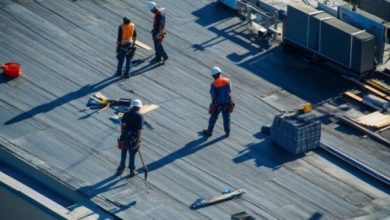
Routine inspections, including a thorough commercial building inspection, are vital for the longevity of any roofing system. Flat designs offer a secure and simple environment for maintenance teams to walk upon and examine the integrity of the surface.
This accessibility means that minor issues, such as debris accumulation or small punctures, can be addressed quickly before they escalate into major problems.
Regular care ensures that a commercial flat roof installation remains in peak condition, effectively extending the lifespan of the entire roofing membrane.
Superior Energy Efficiency and Sustainability
Modern roofing materials for flat structures are engineered with high thermal resistance and reflective properties. These features significantly reduce heat absorption, helping to keep interior temperatures stable throughout the changing seasons.
By minimizing the energy required for cooling, businesses can see a notable decrease in their monthly utility expenses. Many current membrane options are also designed to be fully recyclable, aligning with modern sustainability goals for environmentally conscious corporations.
Simplified Future Expansions
Business needs often evolve, and building designs must be flexible enough to adapt. Flat roofs are inherently easier to modify compared to complex pitched systems.
If your facility requires a vertical addition or needs to accommodate new heavy-duty equipment, the flat design simplifies the engineering requirements. This inherent flexibility provides a future-proof solution for growing companies that anticipate structural changes as their operations continue to scale over time.
Durability and Weather Resistance
Despite the name, these systems are designed with a slight pitch to ensure effective water drainage. High-quality membrane materials provide a seamless barrier against moisture, preventing leaks that could damage inventory or electronic infrastructure.
When installed by experienced professionals, these systems provide an incredibly durable shield. Choosing to perform a professional commercial flat roof installation ensures that your business remains dry and secure, regardless of the intensity of the external weather conditions.