
Modern homebuyers and renters are no longer looking only for extra space; they are searching for comfort, convenience, security, and a lifestyle that reflects their aspirations. This shift has significantly increased the demand for luxury apartments across major cities worldwide. From high-rise residences with panoramic views to smart homes equipped with advanced technologies, premium residential communities have become symbols of contemporary living.
The current real estate landscape shows that developers are focusing more on wellness, sustainability, and personalized amenities. As remote work, hybrid lifestyles, and evolving family needs continue to shape housing preferences, upscale residential properties are being designed to offer far more than traditional housing. Residents now expect thoughtfully planned spaces that support work, relaxation, fitness, and entertainment under one roof.
In recent years, luxury apartments have gained popularity among professionals, entrepreneurs, investors, and families seeking an elevated living experience. Whether located in bustling metropolitan centers or emerging urban districts, these residences provide an unmatched blend of sophistication and practicality.
Understanding Luxury Apartments in the Current Market
The concept of premium housing has evolved considerably. Earlier, luxury was associated mainly with larger floor plans and prestigious addresses. Today, residents expect integrated smart technologies, wellness facilities, eco-friendly designs, and community-centric environments.
Developers are incorporating advanced security systems, energy-efficient infrastructure, co-working lounges, and recreational spaces through innovative commercial construction practices to meet changing expectations. These features create an environment that balances comfort and functionality while delivering a superior quality of life.
Another reason behind the growing demand for luxury apartments is the desire for convenience. People prefer residences that reduce commuting time and provide access to shopping centers, schools, healthcare facilities, and entertainment hubs. Consequently, urban developments are increasingly emphasizing mixed-use communities that combine residential and commercial spaces.
Key Features That Define Premium Living
Not every high-priced property qualifies as luxurious. Several characteristics distinguish premium residences from conventional apartments. Architecture, location, amenities, and quality of construction all contribute to their exclusivity.
Prime Locations
Location remains one of the strongest factors influencing the value of upscale properties. Premium developments are typically situated in business districts, waterfront areas, or neighborhoods known for excellent infrastructure and connectivity. Easy access to airports, corporate hubs, and recreational destinations adds to their appeal.
Smart Home Integration
Technology has become an essential component of modern housing. Home automation systems enable residents to control lighting, temperature, security cameras, and appliances remotely. Voice-controlled devices and AI-powered features are becoming standard in many new projects.
Wellness-Oriented Amenities
Current trends indicate that wellness is a priority for homeowners. Developers now incorporate facilities designed to promote healthy lifestyles, including:
- Fully equipped fitness centers and yoga studios.
- Infinity swimming pools and spa areas.
- Landscaped gardens and jogging tracks.
- Meditation zones and wellness lounges.
These amenities create a balanced environment where residents can maintain physical and mental well-being without leaving their communities.
Why Demand for Luxury Apartments Continues to Rise
Economic growth and rising disposable incomes have expanded the market for premium residential properties. Young professionals and high-net-worth individuals are increasingly seeking homes that align with their lifestyles and long-term aspirations.
The work-from-home culture has also influenced housing preferences. Homebuyers now value spacious layouts, dedicated workspaces, and access to high-speed internet infrastructure. As a result, luxury apartments are designed with flexible interiors that support productivity and comfort simultaneously.
Another factor contributing to increased demand is the emphasis on safety and privacy. Gated communities with advanced surveillance systems and controlled access provide residents with peace of mind, making premium residences particularly attractive to families.
Popular Amenities in Modern Premium Communities
Amenities play a crucial role in defining the residential experience. Developers continuously introduce innovative facilities to differentiate their projects from competitors.
Lifestyle and Entertainment Facilities
Contemporary communities often include features that transform everyday living into a resort-like experience. Residents enjoy spaces that encourage social interaction and recreation.
- Clubhouses and private lounges.
- Rooftop terraces with scenic views.
- Indoor gaming rooms and mini theaters.
- Children’s play areas and pet-friendly parks.
- Multipurpose event halls.
Such facilities foster a sense of community while enhancing the overall value of the property.
Luxury Apartments vs Standard Apartments
The differences between premium and conventional housing extend beyond aesthetics. The following comparison highlights the major distinctions.
| Feature | Luxury Apartments | Standard Apartments |
|---|---|---|
| Location | Prime urban areas | Varies widely |
| Security | Advanced surveillance and access control | Basic security systems |
| Amenities | Resort-style facilities | Limited common amenities |
| Technology | Smart home integration | Conventional systems |
| Design | High-end finishes and architecture | Standard construction |
| Community Spaces | Extensive recreational zones | Basic shared spaces |
This comparison demonstrates why many buyers are willing to invest more for enhanced comfort and convenience.
Sustainability and Eco-Friendly Design
Environmental consciousness has become a major consideration in real estate development. Buyers increasingly prefer homes that support sustainable living practices. Consequently, developers are adopting green building techniques and energy-efficient solutions.
Solar panels, rainwater harvesting systems, efficient waste management, and environmentally friendly construction materials are becoming common in premium projects. These initiatives not only reduce environmental impact but also lower maintenance costs over time.
Many modern luxury apartments are designed to meet sustainability certifications, reflecting the industry’s shift toward responsible urban development. This trend is expected to strengthen as governments and consumers prioritize eco-friendly practices.
Investment Potential of Premium Properties
Luxury real estate has traditionally been viewed as a stable investment. High-end properties often retain value better than standard housing during economic fluctuations. Their scarcity and desirable locations contribute to long-term appreciation.
Rental demand for upscale residences has also increased, particularly in metropolitan areas where expatriates and corporate executives seek premium accommodations. Investors benefit from attractive rental yields and potential capital appreciation over time.
In addition, branded residences and mixed-use developments are emerging as lucrative investment opportunities. These projects combine luxury living with hospitality services, appealing to affluent buyers seeking exclusivity and convenience.
Factors to Consider Before Buying
Purchasing a premium property requires careful evaluation. Beyond appearance and amenities, buyers should assess several practical aspects that influence long-term satisfaction.
Reputation of the Developer
Experienced developers with strong track records generally deliver higher construction quality and better after-sales support. Reviewing previous projects and customer feedback helps buyers make informed decisions.
Connectivity and Infrastructure
Accessibility significantly affects both convenience and property value. Proximity to schools, healthcare centers, business districts, and public transportation enhances everyday living and future resale potential.
Maintenance Costs
Premium facilities often involve higher maintenance charges. Buyers should evaluate ongoing expenses and ensure they align with their budgets and expectations.
Future Appreciation Potential
Emerging neighborhoods with planned infrastructure developments may offer substantial growth opportunities. Studying market trends and government projects can help identify promising locations.
These considerations ensure that investments in luxury apartments deliver both lifestyle benefits and financial value.
Emerging Trends Shaping Luxury Housing
The luxury housing segment continues to evolve in response to changing consumer preferences and technological advancements. Several trends are influencing the future of premium residential developments.
Smart and AI-Enabled Homes
Artificial intelligence and automation are transforming residential experiences. Voice assistants, predictive maintenance systems, and intelligent climate control are becoming increasingly common features in upscale communities.
Wellness-Centered Architecture
Architects are incorporating biophilic designs, natural lighting, and open spaces to create healthier living environments. These elements contribute to improved physical and emotional well-being.
Hybrid Workspaces
As flexible work arrangements remain popular, premium developments are integrating co-working spaces and private meeting rooms. Residents can work efficiently without sacrificing comfort or convenience.
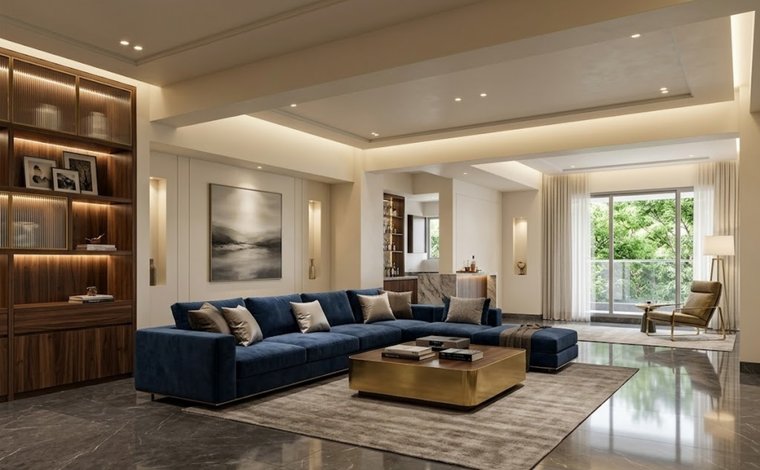
The growing emphasis on personalization means future luxury apartments will offer even more customized living experiences tailored to individual preferences.
Challenges in the Luxury Real Estate Market
Despite strong demand, premium housing faces several challenges. Rising construction costs and fluctuating interest rates can affect affordability and project timelines. Regulatory requirements and environmental considerations also influence development strategies.
Moreover, buyers are becoming increasingly selective. They expect exceptional quality, innovative amenities, and long-term value. Developers must continuously adapt to meet these evolving expectations while maintaining competitive pricing.
Nevertheless, the market outlook remains positive due to urbanization, increasing wealth, and sustained interest in premium lifestyles.
How Luxury Apartments Enhance Quality of Life
Beyond material comforts, upscale residences contribute to a better lifestyle. Access to recreational facilities encourages healthier habits, while thoughtfully designed spaces improve productivity and relaxation.
Communities built around wellness, sustainability, and convenience foster stronger social connections and create environments where residents can thrive. For families, professionals, and retirees alike, premium housing provides a balanced approach to modern living.
As expectations continue to evolve, luxury apartments are becoming more than prestigious addresses—they are comprehensive lifestyle ecosystems that combine elegance with functionality.
FAQs
What makes luxury apartments different from regular apartments?
Luxury apartments differ from standard residences through superior locations, premium construction quality, advanced technology, enhanced security, and exclusive amenities. These factors create a more comfortable and convenient living experience.
Are luxury apartments a good investment?
Yes, premium properties often offer strong long-term appreciation and attractive rental potential. Their desirable locations and limited availability contribute to sustained market demand.
What amenities are commonly found in luxury apartments?
Most upscale communities include swimming pools, fitness centers, clubhouses, landscaped gardens, smart home systems, recreational areas, and advanced security features. Some developments also provide concierge and wellness services.
Why are sustainable features becoming important in premium housing?
Eco-friendly features reduce environmental impact and improve energy efficiency. Buyers increasingly value sustainable living, making green technologies an important aspect of modern residential developments.
Do luxury apartments have higher maintenance costs?
Premium facilities and services generally result in higher maintenance charges. However, many residents consider these expenses worthwhile because they support superior comfort and lifestyle benefits.
Is the demand for luxury apartments expected to grow?
Current market trends suggest continued growth due to urbanization, rising incomes, technological advancements, and increasing demand for high-quality living environments.
Conclusion
The premium housing sector has evolved dramatically to meet the expectations of modern buyers and renters. Today, luxury living encompasses much more than spacious interiors and prestigious addresses. Smart technologies, sustainability, wellness facilities, and community-focused designs have become central elements of upscale residential developments.
As cities continue to expand and lifestyles become increasingly sophisticated, luxury apartments will remain a preferred choice for those seeking comfort, exclusivity, and long-term value. Whether viewed as a home or an investment, these residences represent the future of urban living by combining elegance, convenience, and innovation in one exceptional package.
Read More:-Understanding Hostile Architecture: Design, History, Examples