
What are hostile architecture?
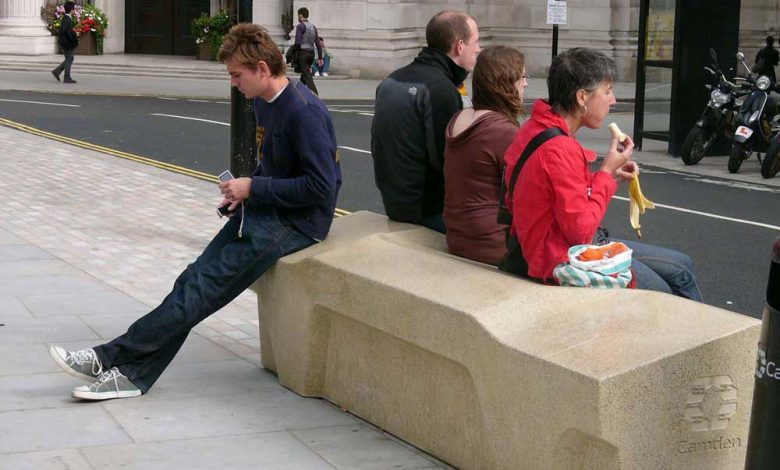
Hostile architecture uses design features to discourage behaviors like sleeping, loitering, or skateboarding in public spaces.
Best hostile architecture examples
Common examples include anti-homeless benches, metal spikes, and skate deterrents.
How to choose hostile architecture solutions
Planners should balance safety, accessibility, and community needs when using defensive design.
Introduction
Have you ever noticed benches with armrests placed unusually close together or metal studs installed on ledges? These elements are not random design choices. They are examples of a growing trend that influences how people interact with public spaces.
Cities worldwide are increasingly using defensive design strategies to control behavior and manage overcrowding. While supporters believe these measures improve cleanliness and safety, critics argue they exclude vulnerable populations and reduce the inclusiveness of urban environments.
Understanding hostile architecture has become important because public spaces play a major role in shaping social interactions, accessibility, and community well-being. As debates surrounding homelessness, public safety, and urban planning continue, these designs remain at the center of discussions about fairness and civic responsibility.
Quick Summary
- Defensive design aims to regulate behavior in public spaces.
- Common features include anti-sleep benches and skateboard deterrents.
- Supporters cite safety and maintenance benefits.
- Critics emphasize social exclusion and accessibility concerns.
Hostile Architecture and Modern Urban Planning
Urban design has evolved far beyond aesthetics. City planners now incorporate features intended to influence behavior, often referred to as defensive architecture or exclusionary design. These elements are designed to minimize vandalism, prevent unauthorized use, and reduce maintenance costs.
In recent years, municipalities and private property owners have increasingly relied on environmental design strategies. Public benches, transportation stations, plazas, and commercial districts frequently contain subtle modifications that many people overlook.
Common Forms of Hostile Architecture
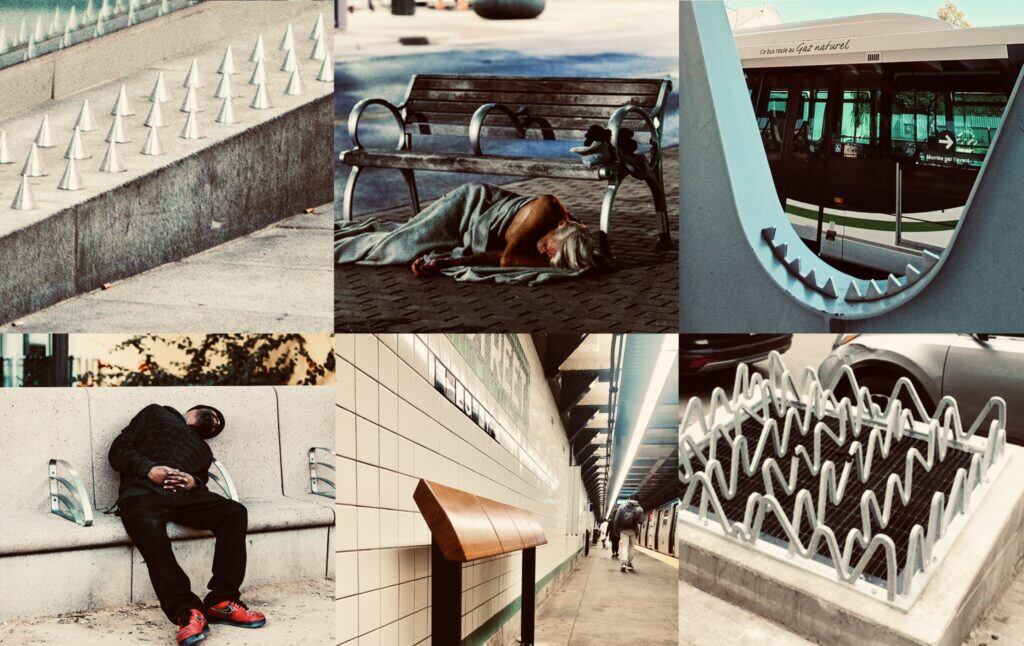
Several forms of defensive urban furniture appear throughout cities worldwide. These structures are often intended to discourage prolonged use or unwanted activities.
Examples include:
| Design Feature | Intended Purpose | Common Location |
|---|---|---|
| Segmented benches | Prevent sleeping | Parks and stations |
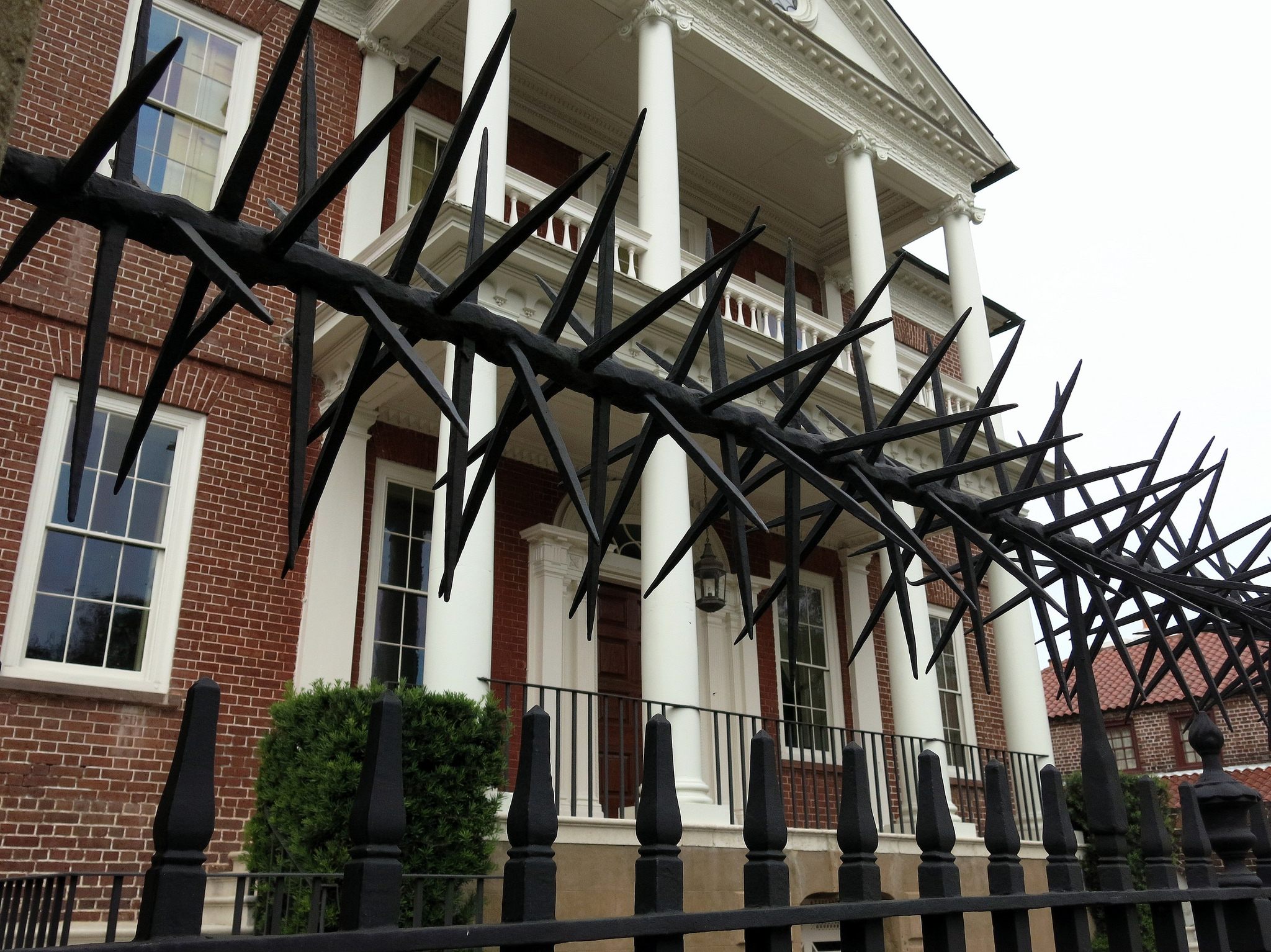
| Metal spikes | Discourage loitering | Doorways and ledges |
| Skate stoppers | Prevent grinding | Railings and plazas |
| Sloped surfaces | Limit sitting | Building entrances |
| Armrests on benches | Restrict lying down | Public seating areas |
Many of these elements blend into the surrounding environment, making them difficult to recognize unless someone understands the concept behind them.
Why Cities Use Hostile Architecture
Supporters argue that these design interventions help maintain order and protect public infrastructure. Businesses and municipalities often seek solutions that reduce vandalism, unauthorized camping, and excessive wear on facilities.
According to various urban studies, maintenance costs can increase substantially in heavily used areas. Defensive design is therefore viewed as a cost-saving approach. Some local governments also connect these measures to crime prevention strategies and public safety initiatives.
An estimated 55% of the world’s population currently lives in urban areas, and this figure is expected to rise further. Growing populations place additional pressure on transportation systems, parks, and public amenities, leading planners to seek practical management solutions.
Social and Ethical Concerns
Critics argue that hostile architecture disproportionately affects homeless individuals, elderly citizens, and people seeking temporary shelter. Instead of addressing underlying social issues, opponents claim that defensive design simply moves problems elsewhere.
Human rights organizations and urban sociologists frequently point out that exclusionary design can undermine the concept of inclusive cities. Public spaces are traditionally intended to accommodate diverse groups, and restrictive features may create feelings of alienation.
Real-Life Example
In London and several North American cities, the installation of anti-homeless spikes generated widespread criticism on social media and from advocacy groups. Public pressure eventually caused some businesses to remove these features and adopt more community-oriented solutions.
This example highlights how urban planning decisions increasingly attract public attention and ethical scrutiny.
Advantages and Disadvantages
Like many planning tools, these structures have both supporters and critics.
Pros and Cons
Pros
- Can reduce vandalism and property damage.
- Helps manage overcrowded public areas.
- May lower maintenance expenses.
- Supports crime prevention through environmental design.
Cons
- Can exclude vulnerable populations.
- May reduce accessibility and comfort.
- Creates negative public perception.
- Addresses symptoms rather than root causes.
Design Alternatives and Inclusive Approaches
Modern urban planners are exploring alternatives that prioritize inclusivity while maintaining functionality. Concepts such as universal design and human-centered planning emphasize accessibility and community engagement.
Green spaces, improved lighting, social services, and multi-purpose public furniture are increasingly viewed as more sustainable solutions. These approaches aim to create environments that encourage positive interactions rather than simply restricting behavior.
Expert Tips
- Balance safety with accessibility.
- Consider the needs of diverse populations.
- Evaluate long-term social impacts.
- Involve communities in planning decisions.
These recommendations can help create more welcoming environments while still addressing practical concerns.
Technology and Future Trends
Smart cities and data-driven planning are reshaping the way public spaces are managed. Sensors, surveillance systems, and adaptive infrastructure provide alternative ways to address safety concerns without relying solely on physical barriers.
Research suggests that urban populations may reach nearly 68% globally by 2050. As cities become denser, planners will likely continue experimenting with new forms of public space management.
Consequently, conversations surrounding hostile architecture are expected to become even more significant in future urban development policies.
Common Mistakes in Urban Design Decisions
Cities and property owners sometimes overlook broader social consequences when implementing defensive measures.
Common Mistakes
- Ignoring accessibility requirements.
- Failing to consult local communities.
- Prioritizing appearance over usability.
- Neglecting long-term social effects.
Careful planning can prevent these issues and encourage more equitable outcomes.
Who Should Use This Approach?
Defensive design solutions may be appropriate for municipalities, transportation authorities, commercial property owners, and facility managers dealing with overcrowding or repeated vandalism. However, implementation should always consider community needs and ethical implications.
Urban planners increasingly emphasize collaboration with residents, social organizations, and accessibility experts before making permanent modifications. Such cooperation helps ensure that public infrastructure serves both practical and humanitarian objectives.
Frequently Asked Questions
Is hostile architecture legal?
In most countries, such designs are legal provided they comply with local building regulations and accessibility standards. However, public opposition can influence whether these features remain in place.
Why do businesses install defensive design features?
Businesses often aim to protect property, reduce maintenance costs, and improve customer experiences. Their decisions are usually influenced by practical considerations.
Does hostile architecture solve homelessness?
Most experts agree that these measures do not address the root causes of homelessness. Social support programs and affordable housing are generally considered more effective.
Are these structures becoming more common?
Yes. Population growth and increasing urban density have encouraged many cities to adopt behavioral design strategies.
Can inclusive design replace defensive measures?
Many urban planners believe inclusive solutions can improve safety while promoting accessibility and social cohesion.
What industries study hostile architecture?
Architecture, urban planning, sociology, environmental psychology, and public policy all examine the effects of these design practices.
Summary Recap
Defensive urban design remains one of the most debated topics in contemporary city planning. Supporters highlight safety and maintenance benefits, while critics focus on accessibility, ethics, and social equity. As cities continue to evolve, finding a balance between functionality and inclusiveness will remain essential.
Conclusion
The debate surrounding hostile architecture reflects larger questions about how societies define public spaces and who those spaces are meant to serve. Effective urban planning should combine safety, accessibility, and compassion to create environments that benefit everyone. Thoughtful design decisions can help cities become both practical and genuinely welcoming for future generations.
Read More:-LEGO Architecture Sets and Iconic Landmark Models