

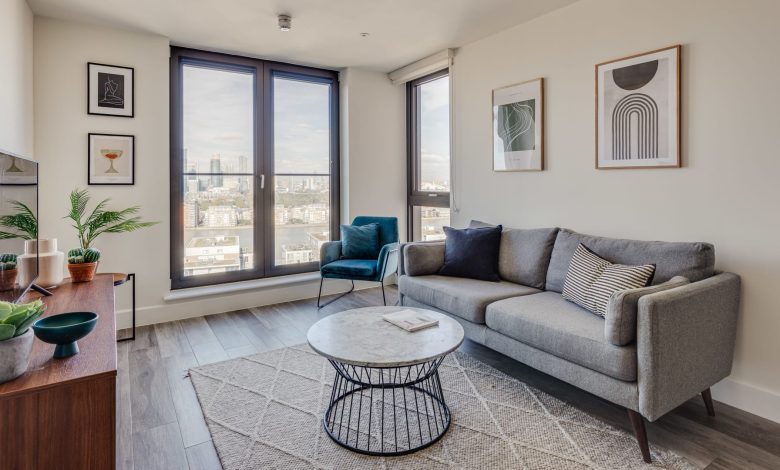
What are apartments for rent?
Apartments for rent are homes leased for a monthly payment, offering flexible living options.
Best apartments for rent
The best apartments provide good value, convenient locations, and essential amenities.
How to choose apartments for rent
Compare budget, location, and lease terms to find a home that suits your needs.
Introduction
Finding the right place to live can feel overwhelming. Rising housing costs, changing lifestyles, and increased demand have made the rental market more competitive than ever. Whether you are moving for work, education, or simply seeking a better environment, choosing the perfect home requires careful planning.
Modern renters prioritize more than just square footage. Factors such as neighborhood safety, public transportation, parking availability, pet-friendly policies, and community amenities have become equally important. A well-chosen apartment contributes significantly to comfort and overall quality of life.
As urban populations continue to grow, rental properties remain one of the most practical housing solutions. From studio apartments to luxury residences, today’s market offers options for singles, couples, families, and professionals looking for flexibility and convenience.
Quick Summary
- Rental apartments provide flexibility and convenience.
- Budget, location, and amenities are key decision factors.
- Comparing multiple properties helps secure better value.
- Understanding lease agreements prevents unexpected issues.
Understanding Today’s Rental Market
The rental housing market has evolved significantly in recent years. Increased demand, remote work trends, and urban expansion have changed how people search for homes. Tenants now look for properties that combine affordability with modern conveniences. When relocating long-distance to your new rental apartment, scheduling vehicle transport through https://www.shiply.com/us/car-shipping/colorado-car-shipping/colorado-springs-car-shipping can significantly reduce the stress of driving across state lines while managing your moving timeline.
According to industry estimates, more than one-third of households in many developed countries live in rented accommodation. Smart home features, fitness centers, co-working spaces, and energy-efficient designs are becoming increasingly common in residential communities.
Types of Rental Apartments
Different renters have different needs. Choosing the right type of apartment depends on household size and lifestyle preferences.
| Apartment Type | Best For | Main Features |
|---|---|---|
| Studio Apartment | Singles | Compact and affordable |
| One-Bedroom Apartment | Couples or professionals | More privacy and space |
| Two-Bedroom Apartment | Small families | Extra room and flexibility |
| Luxury Apartment | Premium lifestyle seekers | High-end amenities |
| Furnished Apartment | Short-term residents | Move-in ready convenience |
Apartments for Rent: Factors to Consider Before Choosing
Selecting the right property involves much more than comparing monthly costs. Several important factors influence long-term satisfaction.
Location remains one of the biggest considerations. Living close to workplaces, schools, hospitals, and shopping centers can reduce commuting time and improve convenience. Access to public transportation and major roads also enhances mobility.
Amenities have become increasingly valuable. Features like parking spaces, laundry facilities, swimming pools, fitness centers, elevators, and security systems contribute to a comfortable living experience. Many renters also prioritize pet-friendly communities and high-speed internet access.
Lease terms deserve careful attention. Reading agreements thoroughly helps tenants understand maintenance responsibilities, deposits, renewal conditions, and utility costs.

Setting a Realistic Budget
Financial planning is essential when renting a home. Experts generally recommend allocating no more than 30% of monthly income toward housing expenses.
Beyond rent, tenants should account for additional costs such as:
- Utilities and internet services.
- Security deposits and maintenance fees.
- Parking charges and renter’s insurance.
- Moving expenses and furnishing costs.
Proper budgeting helps prevent financial stress and allows renters to enjoy greater peace of mind.
Real-Life Example
Consider a young professional relocating to a new city. Initially attracted by a low rental price, she later discovered that transportation expenses and long commute times significantly increased monthly costs. After comparing multiple neighborhoods, she selected a slightly more expensive apartment closer to work, ultimately saving both time and money.
This example highlights the importance of evaluating total living expenses rather than focusing solely on monthly rent.
Neighborhood Matters
A desirable neighborhood can greatly enhance daily life. Safety, cleanliness, schools, healthcare facilities, entertainment options, and shopping access all contribute to a community’s appeal.
Many renters prefer neighborhoods with parks, restaurants, cafes, and recreational areas. Families often prioritize school districts and healthcare accessibility, while young professionals may seek vibrant urban centers with nightlife and career opportunities.
Importance of Security
Security features are among the top priorities for renters. Gated communities, surveillance cameras, secure entrances, and on-site management provide additional peace of mind.
Communities with strong safety records generally maintain higher property values and attract long-term residents.
Amenities That Add Value
Modern apartment communities increasingly compete through lifestyle-enhancing amenities. These features improve convenience and overall resident satisfaction.
Popular amenities include fitness centers, swimming pools, clubhouses, package lockers, coworking spaces, and children’s play areas. Energy-efficient appliances and smart home technology are also becoming common.
High-speed internet connectivity is particularly important for remote workers and students who rely on digital tools daily.
Pros and Cons of Renting
Pros
- Flexibility to relocate.
- Lower maintenance responsibilities.
- Access to community amenities.
- Reduced long-term financial commitment.
Cons
- Limited customization options.
- Potential rent increases.
- Lease restrictions.
- Lack of property ownership benefits.
Expert Tips for Finding the Right Apartment
- Compare several neighborhoods before deciding.
- Visit properties during different times of the day.
- Carefully review lease agreements.
- Inspect maintenance and security conditions.
- Consider future lifestyle changes.
Common Mistakes Renters Should Avoid
- Ignoring hidden costs.
- Failing to inspect the property.
- Choosing solely based on price.
- Overlooking commute times.
- Signing contracts without reading details.
Technology Has Changed Apartment Hunting
Digital platforms and virtual tours have transformed how renters search for homes. Prospective tenants can compare prices, view floor plans, and assess amenities without physically visiting every property.
Artificial intelligence and smart search tools now simplify property matching. These innovations save time while allowing renters to narrow their options more effectively.
Industry analysts estimate that over 70% of tenants begin their search online before scheduling in-person visits. This trend continues to grow as technology becomes more integrated into the housing sector.

Who Should Use This Guide?
This guide is useful for first-time renters, students, young professionals, families, retirees, and individuals relocating for work. Anyone seeking a practical approach to choosing a home can benefit from understanding rental trends, budgeting techniques, and property evaluation strategies.
People moving to unfamiliar cities especially benefit from researching neighborhoods and amenities before signing lease agreements. Careful preparation reduces stress and helps create a smoother transition.
Frequently Asked Questions
Are apartments for rent suitable for families?
Yes. Many apartment communities offer spacious layouts, playgrounds, security features, and family-friendly amenities designed to accommodate households of various sizes.
What documents are usually required when renting?
Landlords commonly request proof of income, identification documents, references, and security deposits before approving applications.
Is renting better than buying?
The answer depends on financial goals and lifestyle preferences. Renting provides flexibility, while buying offers long-term ownership benefits.
How long are lease agreements?
Most leases range from six months to one year, though shorter and longer terms are also available.
Can pets be allowed in rental properties?
Many communities have pet-friendly policies, but restrictions and additional fees may apply.
How can tenants reduce monthly housing expenses?
Choosing energy-efficient homes, sharing accommodation, and comparing neighborhoods can help lower overall costs.
Summary Recap
Finding the right home involves balancing affordability, location, amenities, and long-term convenience. Understanding market trends, evaluating neighborhoods, and carefully reviewing lease agreements allow renters to make confident decisions that support their personal and financial goals.
Conclusion
Choosing apartments for rent is about much more than finding a place to sleep. The ideal home should provide comfort, security, convenience, and value while supporting your lifestyle and future plans. By researching carefully, comparing options, and avoiding common mistakes, renters can make informed decisions and enjoy a living environment that truly feels like home.