
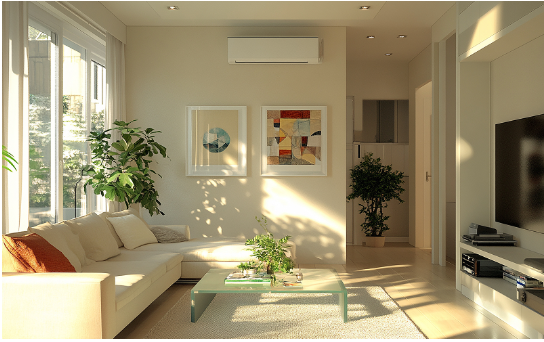
Balanced Indoor Comfort
- Cooling only occupied rooms can help reduce unnecessary energy use without sacrificing comfort.
- Suitable temperature settings, clean filters and sensible airflow improve everyday cooling performance.
- Independent room controls and a well-planned system help accommodate different household routines.
- Professional installation should account for room size, sunlight, ventilation, drainage and maintenance access.
- Thoughtful system planning can support both immediate comfort and long-term
Comfort Every Room Without Chilling the Whole Home
A condominium should feel like a comfortable retreat from Singapore’s heat, not a collection of rooms competing to become the coldest. Running every air conditioner at a very low temperature may cool unoccupied spaces unnecessarily and increase electricity consumption. A more practical approach matches cooling to how your household actually uses each room.
This starts with understanding your daily routines, choosing sensible temperature settings and considering how the system distributes cool air. Planning aircon installation for condos around individual room requirements can make it easier to maintain comfortable temperatures without running every unit at full capacity. The same principle applies to larger homes, where landed property aircon installation should account for different floors, room sizes and patterns of use.
Why Does Your Condo Feel Too Cold in Some Rooms and Too Warm in Others?
Uneven temperatures can occur when rooms receive different amounts of sunlight, have varying occupancy levels or experience restricted airflow. A bedroom facing the afternoon sun may need more cooling than a shaded study, while a small room can become uncomfortably cold if its air conditioner runs for too long.
Start by observing how temperatures change throughout the day. Notice which rooms heat up quickly, when people use them and whether curtains, furniture or closed doors affect airflow. These details help you understand whether the problem comes from your settings, room conditions or the system itself.
A few simple adjustments can improve comfort:
- Use moderate temperature settings: Choose a comfortable setting rather than automatically selecting the lowest available temperature.
- Close doors and windows: This helps limit warm, humid outdoor air entering rooms while the air conditioner operates.
- Manage sunlight: Use curtains or blinds during periods of strong direct sunlight to reduce heat entering the room.
- Keep filters clean: Dust accumulation can restrict airflow and affect cooling performance.
- Avoid obstructing outlets: Leave enough space around indoor units so cool air can circulate properly.
If a room remains warm while another becomes excessively cold, check whether the units are appropriately sized and positioned. Persistent differences may warrant a professional assessment rather than continually lowering the temperature.
How Can You Plan Cooling Around Your Daily Routine?
The most efficient cooling strategy begins with deciding which rooms need air conditioning and when. Bedrooms may need cooling before bedtime, while the living room may be the main focus during evenings. A spare room or study used occasionally may not require the same operating schedule.
If your system has independent controls for each indoor unit, use them to adjust cooling according to room occupancy. Inverter air conditioners can also regulate compressor output to maintain the selected temperature, although actual energy savings depend on the equipment, settings and conditions.
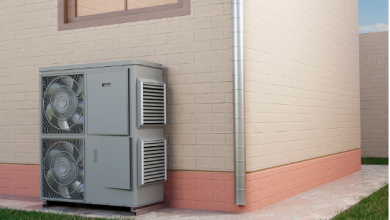
For homeowners planning upgrades, aircon installation for condos should consider the layout, available condenser space, management requirements and the household’s preferred cooling schedule. Meanwhile, landed property aircon installation may require a more detailed assessment of multiple floors, longer pipe routes and different cooling demands across the home.
When discussing a new system with an installer, consider these practical points:
- Room-by-room requirements: Match the cooling capacity to each room’s size, sunlight exposure and typical occupancy.
- Independent temperature control: Choose a suitable configuration that allows different rooms to operate according to their needs.
- Quiet operation: Consider bedroom noise levels, especially if the system will run overnight.
- Long-term accessibility: Ensure indoor and outdoor units remain accessible for cleaning, inspection and maintenance.
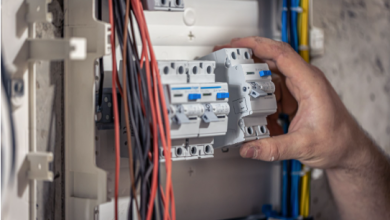
- Installation quality: Confirm that piping, insulation, drainage and electrical connections are planned for safe, reliable operation.
A properly planned system should support your lifestyle rather than require you to keep adjusting the controls throughout the day.
What Should You Consider When Choosing an Aircon Installation Plan?
The right installation plan balances comfort, energy use, practical constraints and future maintenance. Before selecting equipment, consider how many rooms require regular cooling, whether several indoor units will share an outdoor unit and how the system will fit within the property’s permitted installation areas.
Condominiums often have management requirements governing outdoor unit locations, installation schedules, noise and access. Confirm these arrangements before work begins. In larger private homes, system design may involve more complex piping and different cooling loads across floors. Both property types benefit from a site assessment that considers the building’s layout instead of relying on room count alone.
Newway Air Conditioning provides installation solutions for condominiums and landed homes, with planning that considers property requirements, unit placement, piping and system performance. Its installation process includes selecting suitable locations, connecting refrigerant lines and cables, and testing the system after installation.
Before committing to a quotation, ask the installer to explain the proposed system configuration, what the price includes and whether any additional electrical or piping work may be necessary. A clear plan helps you compare options and understand how the installation will support your household’s cooling needs.
Make Every Degree Work for Your Comfort
Keeping a condominium comfortable does not mean cooling every room to the same low temperature. By adjusting settings, managing sunlight, maintaining airflow and cooling spaces according to occupancy, you can create a more balanced indoor environment. A suitable system design also makes it easier to manage different room temperatures without unnecessary operation.
Whether you are upgrading an existing system or planning aircon installation for condos, focus on room-specific cooling needs, independent controls and installation quality. For larger homes, landed property aircon installation should likewise account for differences in layout, sunlight exposure and daily use to achieve consistent comfort across the property.
Contact Newway Air Conditioning to discuss an installation plan suited to your home, layout and cooling preferences.