
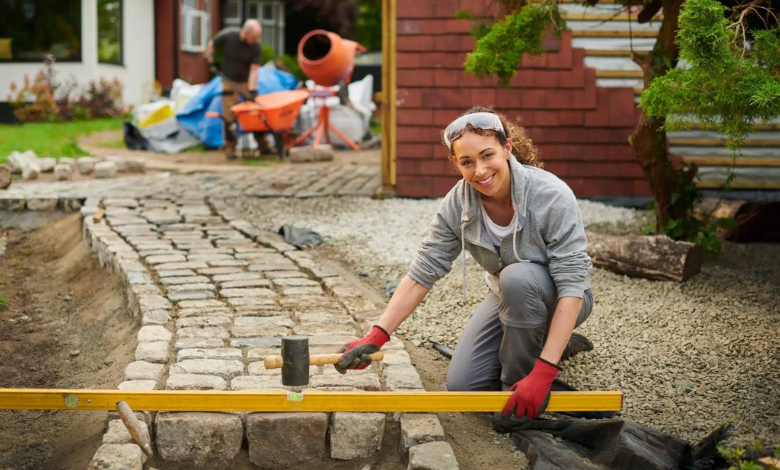
Outdoor construction projects require planning that accounts for environmental conditions, regulatory requirements, and long-term durability. Rushing the planning phase introduces problems that are far more expensive to correct once construction is underway. A methodical approach to site assessment, design, permitting, and contractor selection ensures projects are completed on time, within budget, and built to last through years of use and weather exposure.
Starting With a Thorough Site Assessment
No outdoor construction project should begin without a detailed understanding of the site it will occupy. Soil composition, drainage patterns, slope, vegetation, and proximity to water bodies all affect foundation requirements and construction methods. Sites near shorelines, wetlands, or flood zones carry additional regulatory considerations that must be identified before design work begins. A site assessment conducted by qualified professionals produces findings that directly inform design decisions and prevent costly surprises during construction.
Understanding Requirements for Dock Builders
Outdoor construction projects almost universally require permits, and the specific requirements vary significantly by location, project type, and site conditions. Structures built over or adjacent to water — docks, boat launches, and waterfront platforms — require review by environmental and waterway authorities in addition to standard building departments. Engaging a qualified dock builder early in the planning process brings familiarity with local permitting requirements that reduces approval delays and ensures the project complies with all applicable regulations from the outset.
Designing for Durability in Outdoor Conditions
Outdoor structures face weather, moisture, temperature cycling, and biological exposure that indoor construction does not. Material selection must account for these conditions across the full expected service life of the structure. Pressure-treated lumber, stainless or hot-dipped galvanized hardware, composite decking, and UV-resistant coatings all address specific outdoor durability requirements. Designing for maintenance access — ensuring that fasteners, supports, and wear surfaces can be inspected and replaced without dismantling the structure — reduces long-term ownership costs considerably.
Coordinating Contractors and Site Logistics
Outdoor projects often involve multiple trades working in sequence — excavation, foundation work, structural framing, utilities, and finishing. Coordinating this sequence requires scheduling that accounts for cure times, inspection hold points, and weather windows. Clear communication between the project owner, general contractor, and subcontractors prevents scheduling conflicts and ensures each trade has what it needs when work begins. Establishing site access routes, material staging areas, and waste removal plans before construction starts prevents logistical problems from slowing progress.
Building in Contingency for Weather and Conditions
Outdoor construction is inherently weather-dependent, and projects that do not build weather contingency into their schedules routinely finish late. Establishing realistic timelines that account for rain delays, ground saturation, extreme temperature windows, and seasonal limitations prevents schedule pressure from pushing crews to work in unsafe or unsuitable conditions. Contingency budget for unexpected subsurface conditions is equally important, as these discoveries mid-project can significantly affect cost and schedule if not anticipated.
Conclusion
Outdoor construction projects succeed when planning receives the same attention as execution. Thorough site assessment, regulatory compliance, durable design, coordinated contracting, and realistic scheduling together produce projects that are completed correctly the first time and remain functional and safe for years beyond completion.