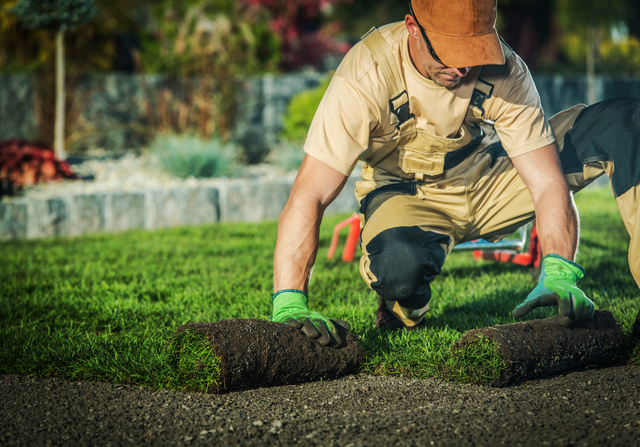

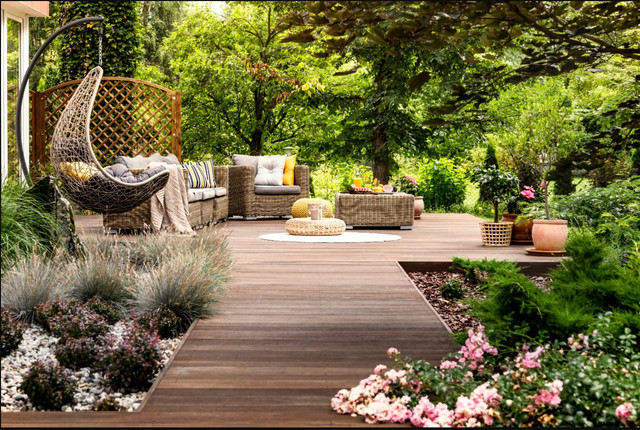
A well-planned home garden design can transform an ordinary outdoor area into a beautiful retreat that enhances both the appearance and value of a property. Whether you have a spacious backyard, a compact courtyard, or a small front garden, thoughtful planning can help you create an attractive environment that suits your lifestyle and preferences.
Gardens are more than decorative spaces. They provide opportunities for relaxation, outdoor entertainment, gardening activities, and even food production. A carefully designed garden balances aesthetics with functionality, ensuring that every element contributes to the overall purpose of the space. From selecting plants and pathways to incorporating seating and lighting, every decision plays a role in creating a harmonious landscape.
Modern homeowners increasingly recognize the importance of outdoor living spaces. As a result, the demand for creative and sustainable garden solutions continues to grow. Understanding the principles of garden planning can help anyone develop a landscape that remains beautiful and practical throughout the year.
Why Home Garden Design Matters
A thoughtfully planned garden offers benefits that extend beyond visual appeal. It creates a welcoming atmosphere while supporting environmental sustainability and personal well-being.
The right garden design can improve air quality, provide shade, reduce noise pollution, and encourage biodiversity by attracting birds, butterflies, and beneficial insects. It can also serve as a peaceful sanctuary where family members can unwind after a busy day.
An organized outdoor space increases usability. Instead of leaving the yard underutilized, homeowners can create designated areas for dining, relaxation, gardening, and recreation. This approach maximizes available space while maintaining visual balance.
Additionally, a professionally planned or carefully executed home garden design can significantly enhance property value. Potential buyers often view attractive landscaping as a major advantage, making garden improvements a worthwhile investment for the future.
Understanding Your Garden Space
Before beginning any landscaping project, it is important to evaluate the existing conditions of the site. Understanding the characteristics of the garden allows for better planning and more effective plant selection.

Factors to assess include sunlight exposure, soil quality, drainage, climate conditions, and available space. Some plants thrive in full sun, while others require partial shade. Knowing these conditions helps prevent costly mistakes and improves plant survival rates.
The shape and size of the garden also influence design decisions. Large spaces may accommodate multiple functional zones, while smaller gardens require creative layouts that maximize efficiency without feeling crowded.
Consider the surrounding architecture as well. A garden should complement the style of the home, creating a seamless transition between indoor and outdoor spaces. Whether the property is modern, traditional, or rustic, the landscape should reflect a consistent design theme.
Key Elements of a Successful Garden Design
Every successful garden incorporates several essential components that work together to create an appealing environment.
Plant Selection
Plants form the foundation of any landscape. Choosing a variety of trees, shrubs, flowers, and ground covers creates visual interest throughout the year.
Consider factors such as:
- Growth habits
- Seasonal color changes
- Maintenance requirements
- Water needs
- Climate suitability
A combination of evergreen and seasonal plants ensures year-round beauty while reducing maintenance demands.
Pathways and Walkways
Pathways guide movement through the garden and help define different areas. Materials such as stone, brick, gravel, and concrete can be selected based on the overall design style.
Well-designed pathways improve accessibility and create visual structure within the landscape.
Outdoor Seating
Comfortable seating transforms a garden into a usable living space. Benches, patios, pergolas, and outdoor furniture provide opportunities for relaxation and social gatherings.
Strategically placed seating areas encourage people to spend more time outdoors while enjoying garden views.
Popular Garden Design Styles
Different design styles offer unique aesthetics and functionality. Selecting a specific style can help guide plant choices, materials, and layout decisions.
| Garden Style | Characteristics | Best For |
|---|---|---|
| Modern Garden | Clean lines, minimalism, geometric layouts | Contemporary homes |
| Cottage Garden | Colorful flowers, informal arrangements | Traditional properties |
| Tropical Garden | Lush foliage, exotic plants | Warm climates |
| Japanese Garden | Simplicity, balance, natural elements | Relaxation spaces |
| Mediterranean Garden | Drought-tolerant plants, stone features | Dry regions |
| Rustic Garden | Natural materials, wild plantings | Country homes |
Choosing a consistent design style helps create visual harmony throughout the landscape.
Planning Functional Garden Zones
One of the most effective strategies in home garden design is dividing the landscape into functional zones. This approach improves organization while ensuring that each section serves a specific purpose.
Relaxation Area
A relaxation zone may include comfortable seating, shade structures, and decorative plants. This space should feel private and peaceful, making it ideal for reading, meditation, or casual conversation.
Entertainment Area
Outdoor dining spaces, patios, and barbecue stations are perfect for hosting family gatherings and social events. Durable surfaces and convenient access to the home improve usability.
Gardening Area
Dedicated gardening zones can accommodate flower beds, vegetable gardens, herb planters, or greenhouses. Organizing these areas simplifies maintenance and maximizes productivity.
Play Area
Families with children may benefit from a designated play zone that provides safe and engaging outdoor activities without disrupting the garden’s overall aesthetic.
Choosing the Right Plants
Plant selection has a significant impact on the appearance and maintenance requirements of a garden. The ideal combination balances beauty, practicality, and environmental compatibility.
Native plants are often excellent choices because they adapt naturally to local conditions and require less water and maintenance. They also support local wildlife and pollinators.
A layered planting approach creates depth and visual interest:
- Tall trees provide shade and structure.
- Shrubs create privacy and define spaces.
- Perennials offer long-lasting color.
- Ground covers reduce weeds and soil erosion.
Seasonal diversity ensures that the garden remains attractive throughout the year. Spring blooms, summer foliage, autumn colors, and winter greenery contribute to continuous visual appeal.
Incorporating Water Features
Water features add elegance, movement, and tranquility to outdoor spaces. Even small gardens can benefit from carefully selected water elements.
Popular options include:
- Garden fountains
- Reflecting pools
- Waterfalls
- Fish ponds
- Bird baths
The sound of flowing water helps mask unwanted noise while creating a relaxing atmosphere. Water features can also attract birds and other wildlife, enhancing the natural character of the landscape.
When planning a water feature, consider maintenance requirements, available space, and safety concerns. Proper placement ensures that the feature complements rather than overwhelms the garden design.
The Role of Garden Lighting
Outdoor lighting extends the usability of a garden after sunset while improving safety and aesthetics. A balanced lighting plan highlights important features and creates a welcoming atmosphere.
Path Lighting
Path lights improve visibility and guide movement through the garden during evening hours.
Accent Lighting
Accent lights draw attention to focal points such as trees, sculptures, water features, and architectural elements.
Ambient Lighting
Soft ambient lighting creates a warm and inviting environment for outdoor dining and relaxation.
Energy-efficient LED fixtures are popular because they consume less electricity and require minimal maintenance. Solar-powered options provide an environmentally friendly alternative for many applications.
Sustainable Home Garden Design Practices
Sustainability has become an important consideration in modern landscaping. Eco-friendly gardens reduce environmental impact while lowering maintenance costs.
Sustainable strategies include:
- Using native plants
- Installing rainwater harvesting systems
- Applying organic mulch
- Composting garden waste
- Choosing drought-resistant species
- Reducing chemical fertilizers
These practices promote healthier ecosystems while conserving valuable natural resources.
A sustainable home garden design not only benefits the environment but also creates a more resilient landscape capable of thriving under changing weather conditions.
Maximizing Small Garden Spaces
Limited space does not prevent homeowners from creating beautiful and functional gardens. In fact, small gardens often inspire innovative design solutions.

Vertical gardening is particularly effective in compact areas. Trellises, wall planters, and hanging baskets add greenery without occupying valuable ground space.
Multi-functional furniture provides seating and storage while minimizing clutter. Mirrors and strategic lighting can also create the illusion of a larger garden.
Container gardening offers flexibility, allowing plants to be rearranged as needed. This approach is ideal for patios, balconies, and urban environments where planting space is limited.
With thoughtful planning, even the smallest outdoor area can become an attractive and productive garden.
Common Garden Design Mistakes to Avoid
Many homeowners encounter challenges during landscaping projects due to avoidable mistakes.
Some of the most common issues include:
- Overcrowding plants
- Ignoring maintenance requirements
- Choosing unsuitable species
- Neglecting drainage problems
- Using too many design themes
- Forgetting future plant growth
Successful gardens balance immediate visual appeal with long-term practicality. Planning for plant maturity helps prevent overcrowding and costly redesigns later.
Creating a detailed garden plan before purchasing materials or plants can reduce mistakes and improve project outcomes.
Future Trends in Home Garden Design
The future of gardening continues to evolve as homeowners seek more personalized and sustainable outdoor spaces.
Emerging trends include smart irrigation systems, edible landscapes, pollinator-friendly gardens, and outdoor wellness spaces. Technology allows homeowners to monitor soil moisture, automate watering schedules, and improve resource efficiency.
Biophilic design principles are also gaining popularity. These approaches emphasize stronger connections between people and nature through thoughtful integration of plants, natural materials, and outdoor living areas.
As environmental awareness grows, sustainable landscaping practices will likely remain a major focus in future garden projects.
Conclusion
A well-executed home garden design can dramatically improve the beauty, functionality, and value of any property. By understanding site conditions, selecting appropriate plants, creating functional zones, and incorporating essential elements such as pathways, lighting, and water features, homeowners can build outdoor spaces that meet their needs while enhancing everyday life.
read more: Small Apartment Decorating: Creative Ideas for Stylish and Functional Living