
Urban living often limits access to large outdoor spaces, making rooftop areas more valuable than ever. A well-planned terrace garden design can transform an unused rooftop into a refreshing retreat filled with greenery, color, and functionality. Whether you want a peaceful escape, a productive vegetable garden, or an entertainment area surrounded by plants, a terrace garden offers endless possibilities.
As cities become more crowded, homeowners are increasingly seeking ways to reconnect with nature without sacrificing valuable living space. Terrace gardens not only enhance the visual appeal of a property but also contribute to environmental sustainability by reducing heat absorption, improving air quality, and supporting biodiversity.
Creating a rooftop garden requires thoughtful planning, proper plant selection, and ongoing maintenance. This guide explores everything you need to know about designing a successful terrace garden, from layout planning and materials to plant choices and long-term care.
Why Choose a Terrace Garden?
A terrace garden offers more than just aesthetic beauty. It serves as an extension of your living space while bringing numerous practical and environmental benefits. Rooftop gardens help reduce indoor temperatures by acting as natural insulation, which can lower energy consumption during hot weather.
Additionally, terrace gardens create opportunities for relaxation and recreation. Imagine enjoying your morning coffee surrounded by lush greenery or hosting evening gatherings in a beautifully landscaped outdoor setting. These spaces can also increase property value and enhance overall curb appeal.
For gardening enthusiasts, rooftop gardens provide an excellent opportunity to grow herbs, vegetables, flowers, and ornamental plants despite limited ground space. The flexibility of a terrace garden makes it suitable for both small urban homes and larger residential properties.
Understanding the Basics of Terrace Garden Design
Successful terrace garden design begins with understanding the structural capabilities of your rooftop. Before installing plants, containers, or furniture, it is essential to assess the weight-bearing capacity of the terrace. Consulting a structural engineer can help determine whether the roof can safely support the intended garden elements.
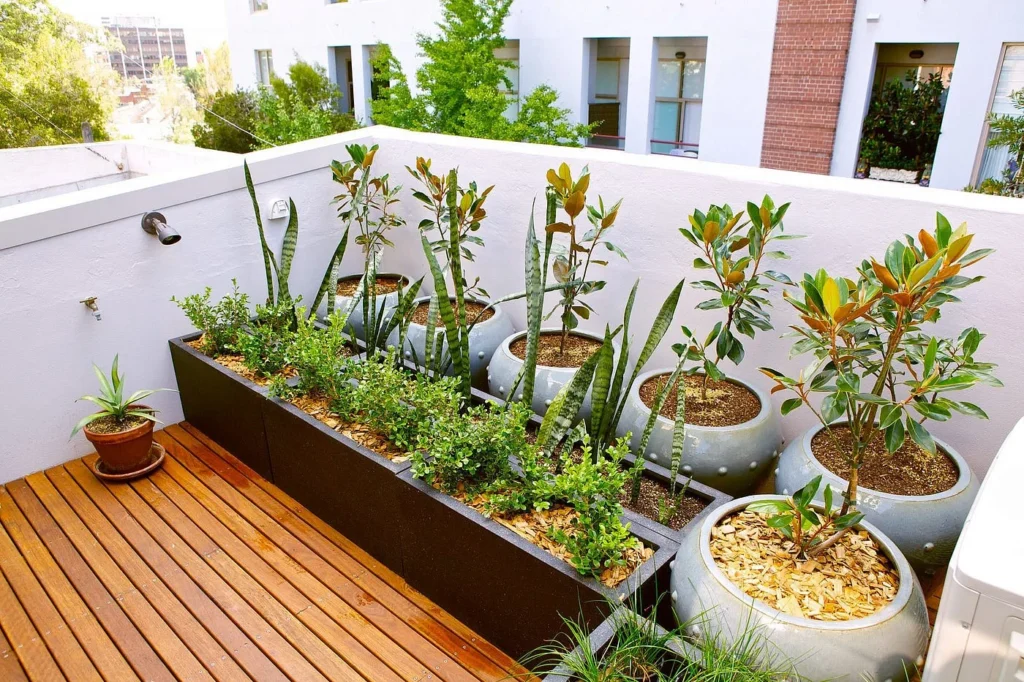
Waterproofing is another critical consideration. Proper waterproofing prevents water seepage and protects the building from moisture damage. Installing a drainage system ensures excess water is efficiently removed during irrigation or rainfall.
Climate conditions should also influence the design process. Factors such as sunlight exposure, wind intensity, and local weather patterns affect plant selection and garden layout. By addressing these fundamentals early, homeowners can create a safe and sustainable rooftop garden that thrives for years.
Planning the Perfect Layout
The layout is the foundation of an attractive terrace garden. A thoughtful arrangement maximizes available space while maintaining visual harmony and functionality.
When planning the layout, consider how the garden will be used. Some homeowners prioritize relaxation areas with seating and shade structures, while others focus on growing edible plants. Dividing the terrace into dedicated zones helps create a balanced and organized design.
Common zones include:
- Seating and entertainment areas
- Vegetable and herb gardens
- Flower beds and decorative plant sections
- Walkways and access paths
- Water features or decorative elements
Maintaining clear pathways ensures easy movement throughout the garden. Strategic placement of larger plants around the perimeter can provide privacy while framing the space beautifully.
Choosing the Right Plants
Selecting appropriate plants is crucial for the success of any rooftop garden. Since terrace gardens often experience direct sunlight and stronger winds than ground-level gardens, plant choices should match these conditions.
Sun-Loving Plants
Many rooftops receive abundant sunlight, making them ideal for:
- Roses
- Bougainvillea
- Marigolds
- Lavender
- Hibiscus
These plants thrive in bright conditions and add vibrant color to the garden.
Vegetables and Herbs
Edible gardening is increasingly popular in terrace spaces. Suitable options include:
- Tomatoes
- Chili peppers
- Basil
- Mint
- Coriander
- Spinach
These crops are relatively easy to maintain and provide fresh produce throughout the growing season.
Shade-Tolerant Plants
If portions of the terrace receive limited sunlight, consider:
- Ferns
- Peace lilies
- Snake plants
- Pothos
These species perform well in partially shaded environments and contribute to a lush appearance.
Container Selection and Placement
Containers play a significant role in terrace garden design because most rooftop gardens rely on potted plants rather than traditional garden beds. Choosing the right containers enhances both functionality and visual appeal.
Lightweight materials such as fiberglass, plastic, and resin are often preferred because they reduce structural load. Larger containers provide better root development and require less frequent watering.
Container placement should consider sunlight requirements, accessibility, and aesthetics. Grouping plants with similar water and light needs simplifies maintenance while creating a cohesive visual effect.
Raised planters can also add depth and structure to the garden. By varying container sizes and heights, homeowners can create a dynamic landscape that feels larger and more engaging.
Essential Features for a Functional Terrace Garden
A successful terrace garden combines beauty with practicality. Incorporating functional features improves usability and comfort throughout the year.
Comfortable Seating
Seating areas encourage relaxation and social interaction. Options include:
- Outdoor sofas
- Benches
- Bistro tables
- Hammocks
Weather-resistant materials ensure long-lasting performance in outdoor conditions.
Shade Structures
Pergolas, umbrellas, and shade sails protect users from intense sunlight while enhancing the garden’s visual appeal. Climbing plants can be trained over pergolas to create natural shade and a charming atmosphere.
Lighting Solutions
Outdoor lighting extends the usability of the garden after sunset. Solar-powered lights, string lights, and pathway illumination create a welcoming ambiance while improving safety.
Terrace Garden Design Styles
Different design styles can dramatically influence the overall appearance of a rooftop garden. Choosing a cohesive theme helps create a more polished and attractive outdoor space.
Modern Minimalist Style
This style emphasizes clean lines, neutral colors, and uncluttered layouts. Simple planters, geometric shapes, and carefully selected plants create a sophisticated appearance.
Tropical Retreat
A tropical-inspired garden features lush foliage, vibrant flowers, and natural materials. Palm trees, bamboo, and exotic plants contribute to a vacation-like atmosphere.
Mediterranean Garden
Mediterranean gardens use terracotta pots, fragrant herbs, and drought-tolerant plants. Warm colors and rustic textures create a relaxed and inviting environment.
Contemporary Urban Garden
This style combines modern materials with practical functionality. Vertical gardens, sleek furniture, and innovative planting systems maximize limited rooftop space.
Table: Popular Terrace Garden Elements and Their Benefits
| Element | Primary Benefit | Best Use |
|---|---|---|
| Raised Planters | Better drainage and organization | Vegetables and flowers |
| Vertical Gardens | Space-saving greenery | Small terraces |
| Pergolas | Shade and visual appeal | Seating areas |
| Water Features | Relaxing atmosphere | Decorative focal points |
| Container Plants | Flexibility and mobility | All garden types |
| Outdoor Lighting | Enhanced usability | Evening enjoyment |
| Herb Gardens | Fresh culinary ingredients | Kitchen gardens |
The Importance of Vertical Gardening
Vertical gardening has become a key component of modern terrace garden design, especially for smaller rooftops. By utilizing walls, trellises, and hanging structures, gardeners can maximize growing space without overcrowding the floor area.
Vertical gardens create striking visual displays while improving insulation and air quality. They are particularly useful for growing herbs, flowering plants, and certain vegetables. Living walls can also serve as privacy screens, helping define different areas of the terrace.
Creative vertical gardening solutions include wall-mounted planters, stacked containers, hanging baskets, and modular planting systems. These features add dimension and interest while making efficient use of limited space.
Water Management and Irrigation
Proper watering is essential for maintaining a healthy rooftop garden. Because rooftop environments are often exposed to wind and sunlight, containers may dry out more quickly than traditional garden beds.
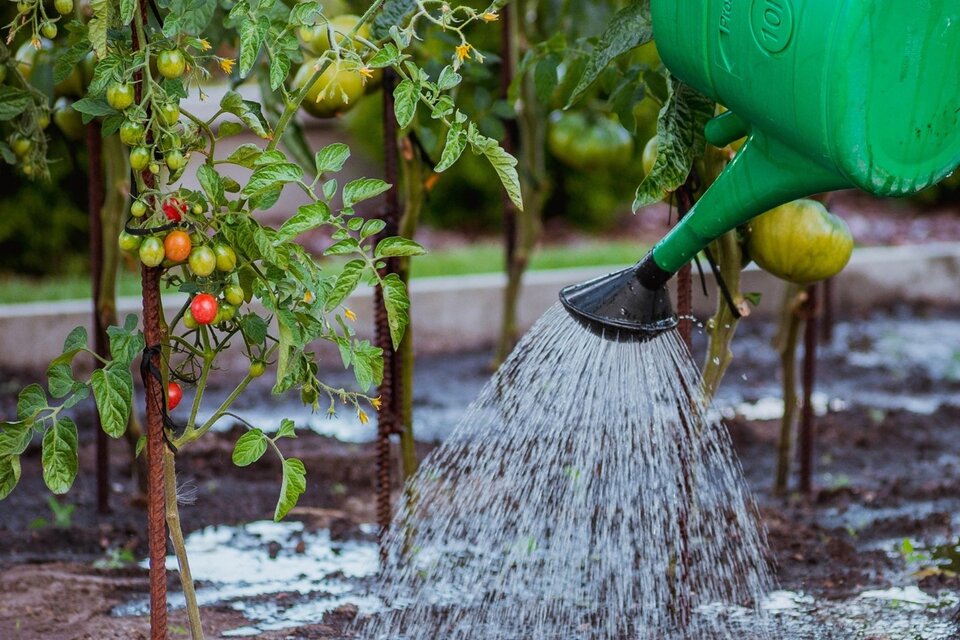
Drip irrigation systems offer an efficient solution by delivering water directly to plant roots. This approach reduces waste and ensures consistent moisture levels. Automated irrigation systems can further simplify maintenance, particularly for busy homeowners.
Rainwater harvesting systems provide an environmentally friendly water source while reducing utility costs. Combining efficient irrigation with proper drainage helps protect both plants and building structures.
Regular monitoring allows gardeners to adjust watering schedules based on seasonal conditions and plant requirements.
Maintaining a Healthy Terrace Garden
Even the best terrace garden design requires ongoing maintenance to remain attractive and productive. Routine care prevents problems and supports long-term plant health.
Key maintenance tasks include:
- Regular watering
- Pruning and trimming
- Fertilizing plants
- Pest management
- Cleaning pathways and seating areas
- Inspecting drainage systems
Seasonal maintenance is equally important. Replacing damaged plants, refreshing soil, and checking waterproofing systems help preserve the garden’s appearance and functionality.
A consistent maintenance schedule ensures the garden remains vibrant throughout the year while minimizing costly repairs or replacements.
Sustainable Practices for Rooftop Gardens
Sustainability is an increasingly important consideration in modern landscaping, and professional environmental consulting can help homeowners implement greener, more efficient rooftop garden designs.
Composting kitchen waste creates nutrient-rich fertilizer for plants and reduces household waste. Native plant species often require less water and are better adapted to local climate conditions.
Solar-powered lighting, rainwater collection systems, and recycled materials further enhance sustainability. Incorporating pollinator-friendly plants can also support bees, butterflies, and other beneficial insects.
These environmentally conscious practices make rooftop gardens more resilient while promoting greener urban living.
Common Mistakes to Avoid
Many homeowners encounter challenges when establishing a terrace garden. Avoiding common mistakes improves the likelihood of long-term success.
Some frequent errors include:
- Ignoring structural load limits
- Inadequate waterproofing
- Poor drainage planning
- Overcrowding plants
- Selecting unsuitable species
- Neglecting maintenance
Careful planning and regular monitoring help prevent these issues. Investing time in preparation often saves significant effort and expense later.
Conclusion
A thoughtfully planned terrace garden design can transform an ordinary rooftop into a stunning outdoor sanctuary. From enhancing property aesthetics to promoting environmental sustainability, terrace gardens offer numerous benefits for modern homeowners. By considering structural requirements, selecting appropriate plants, incorporating functional features, and maintaining the space properly, anyone can create a thriving rooftop retreat.
Read more: Home Garden Design: Creating a Beautiful and Functional Outdoor Space