Plumbing Warning Signs: Small Problems That Can Turn Into Big Repairs

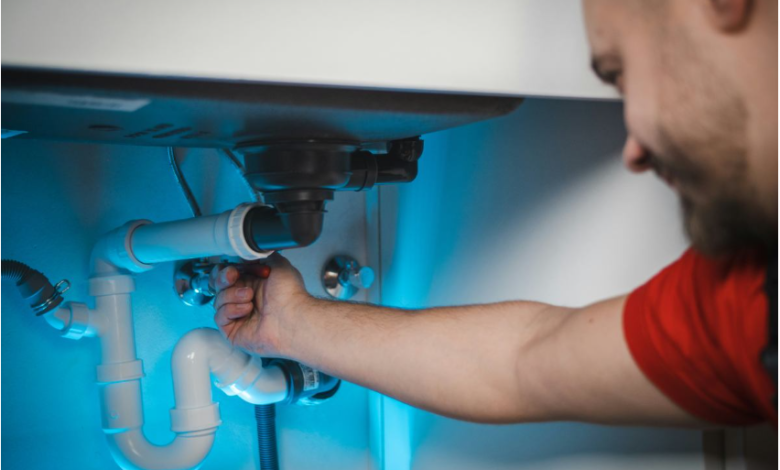
Most plumbing problems don’t start as major emergencies. In fact, they usually begin with small warning signs that are easy to overlook. You might notice a faucet dripping every few seconds, a drain that takes longer than normal to empty, or a small water stain appearing on your ceiling or wall. These issues may not seem serious at first, so it’s common for homeowners to ignore them or plan to deal with them later. However, even minor plumbing problems can get worse if they are left unattended.
A small leak can gradually waste water and increase your utility bills. A slow drain can eventually become completely blocked, causing water to back up into sinks, tubs, or showers. Hidden leaks can damage walls, floors, and ceilings over time, leading to costly repairs that could have been avoided with early attention. The longer a plumbing problem goes without being repaired, the greater the chance that it will cause damage to your home’s plumbing system or even its structure.
Whether you own an older home with aging pipes or a newer property that needs regular maintenance, paying attention to these early warning signs is one of the best ways to protect your home. Spotting problems early allows them to be repaired before they turn into expensive emergencies. If you’re looking for a dependable plumbing service in West Palm Beach, FL, addressing plumbing issues as soon as they appear can help you avoid unexpected repair costs, reduce water waste, and keep your home’s plumbing system working efficiently throughout the year.
Slow Drains Shouldn’t Be Ignored
A drain that empties slowly may seem like a simple inconvenience, but it often points to a developing blockage. Hair, grease, soap residue, food waste, and mineral buildup gradually collect inside pipes, reducing water flow.
While occasional slow drainage may not seem urgent, repeated clogs or multiple slow drains throughout the house could indicate a more significant issue within your plumbing system. Left untreated, blockages can increase pressure inside the pipes and eventually cause backups or leaks. Routine cleaning and prompt attention to recurring drainage problems can help avoid more extensive repairs.
Dripping Faucets Waste More Than Water
A dripping faucet is one of the most common plumbing issues homeowners experience. Although a few drops may not seem important, a continuous leak can waste a surprising amount of water over time.
In many cases, the cause is relatively simple, such as a worn washer, damaged cartridge, or loose internal component. Addressing the problem early is usually inexpensive, while ignoring it may lead to increased water bills and additional wear on the fixture. Small leaks also contribute to unnecessary water waste, making prompt repairs beneficial for both your home and the environment.
Low Water Pressure Can Signal Hidden Problems
Many people assume low water pressure is simply part of living in an older home. However, sudden or worsening pressure loss often indicates an underlying plumbing issue.
Possible causes include:
- Mineral deposits inside pipes or fixtures
- Hidden leaks reducing water flow
- Faulty pressure regulators
- Partially closed shut-off valves
- Corroded plumbing lines
If only one fixture is affected, the problem may be localized. If the entire home experiences reduced pressure, it’s worth having the plumbing system inspected before the issue becomes more serious.
Water Stains Are Often Signs of Hidden Leaks
Discoloration on walls or ceilings should never be dismissed as a cosmetic issue. Water stains frequently indicate that moisture is escaping somewhere behind the surface.
Even a small leak can slowly damage drywall, insulation, wood framing, and flooring. Moisture trapped inside walls may also create conditions that encourage mold growth, resulting in additional repair costs. Investigating water stains early allows plumbing problems to be identified before structural damage develops.
Unusual Sounds Coming From Pipes
Your plumbing system should operate quietly under normal conditions. If you begin hearing banging, rattling, whistling, or gurgling noises, it’s worth paying attention.
These sounds can result from:
- Air trapped inside pipes
- Loose pipe supports
- Water pressure fluctuations
- Drain vent issues
- Developing blockages
Although unusual noises don’t always indicate an emergency, they often provide an early warning that something within the system needs attention.
Signs You Should Never Ignore
Some plumbing problems deserve immediate attention because they can quickly lead to costly damage if left unresolved.
Watch for these warning signs:
- Water pooling around sinks, toilets, or appliances
- Unexplained increases in your monthly water bill
- Persistent musty odors inside the home
- Damp spots on floors or carpeting
- Multiple clogged drains at the same time
- Toilets that frequently back up
- Rust-colored water coming from faucets
- Visible corrosion on exposed pipes
Addressing these symptoms early is generally far less expensive than repairing water damage, replacing flooring, or restoring damaged walls.
Older Plumbing Systems Need Extra Attention
As plumbing systems age, normal wear becomes more noticeable. Pipes may corrode, seals deteriorate, and fixtures gradually lose efficiency.
Homes built several decades ago may contain older materials that require closer monitoring. Regular inspections can help identify small concerns before they develop into major plumbing failures. Preventive maintenance becomes increasingly valuable as plumbing systems age because it helps extend the life of existing components while reducing the likelihood of unexpected breakdowns.
Seasonal Changes Can Affect Plumbing
Weather conditions can place additional stress on plumbing systems throughout the year. Heavy rainfall may affect underground drainage, while temperature changes can cause pipes to expand and contract. Homeowners should also pay attention to outdoor faucets, irrigation systems, and exposed plumbing that may experience increased wear from seasonal conditions. Performing routine inspections during seasonal transitions can help identify developing issues before they become emergencies.
Preventive Maintenance Saves Money
Many expensive plumbing repairs begin with small problems that could have been corrected quickly. Scheduling periodic inspections, addressing leaks promptly, and avoiding improper disposal of grease or non-flushable materials all contribute to a healthier plumbing system.
Simple maintenance habits include checking under sinks for leaks, monitoring water pressure, cleaning drains appropriately, and paying attention to changes in water quality or fixture performance.While not every plumbing issue can be prevented, consistent maintenance significantly reduces the risk of major repairs.
Conclusion
Small plumbing problems often provide early warning signs long before they become expensive emergencies. A dripping faucet, slow drain, water stain, or unusual pipe noise may seem minor today, but ignoring these issues can eventually lead to leaks, water damage, or extensive repairs.
By recognizing these warning signs and responding promptly, homeowners can protect their plumbing systems, avoid unnecessary expenses, and maintain a safer, more efficient home. Regular maintenance and early repairs remain the most effective way to keep small plumbing concerns from turning into major problems.