Small Apartment Decorating: Creative Ideas for Stylish and Functional Living


Living in a compact apartment does not mean sacrificing comfort, beauty, or personality. With thoughtful planning and smart design choices, even the smallest space can feel open, welcoming, and highly functional. The key is understanding how to maximize every square foot while maintaining a cohesive and attractive interior. Whether you live in a studio apartment, a one-bedroom unit, or a compact urban residence, the right decorating techniques can transform your home into a stylish retreat.
The concept of small apartment decorating focuses on making efficient use of available space while creating an environment that reflects your personal taste. From choosing multifunctional furniture to selecting the perfect color palette, every design decision contributes to the overall atmosphere. Modern apartment dwellers increasingly seek practical yet aesthetically pleasing solutions that improve daily living without overcrowding their homes.
This guide explores effective strategies, design principles, and creative ideas that can help you create a beautiful apartment regardless of its size.
Why Small Apartment Decorating Matters
Small spaces present unique challenges that require thoughtful solutions. Limited square footage often means balancing storage, functionality, and style within a confined area. Without proper planning, a small apartment can quickly feel cluttered and uncomfortable.
Effective small apartment decorating helps create visual harmony while improving everyday functionality. Smart layouts encourage better movement throughout the home, while carefully selected furnishings maximize usability. Decorating also plays an important role in shaping mood and comfort.
When done correctly, a small apartment can feel significantly larger than its actual dimensions. Strategic use of colors, lighting, mirrors, and furniture placement can enhance the perception of space and create a more enjoyable living environment.
Beyond practicality, decorating allows residents to express their personalities. Thoughtfully chosen décor, artwork, textiles, and accessories make an apartment feel unique and inviting, turning a compact space into a true home.
Understanding Space Planning Before Decorating
Before purchasing furniture or selecting decorative elements, it is important to evaluate your apartment’s layout. Space planning forms the foundation of successful interior design.
Measure every room carefully and identify areas with the greatest potential for improvement. Consider how you move throughout the apartment and determine which zones require the most functionality. Living, sleeping, dining, and work areas should be clearly defined, even in open-concept spaces.
Creating a floor plan helps visualize furniture arrangements before making purchases. This prevents overcrowding and ensures every item serves a purpose. Prioritizing essential furniture over decorative extras allows you to maximize usable space.
The goal is to maintain balance. Rooms should feel comfortable and open rather than packed with unnecessary items. Strategic planning helps achieve a harmonious design that supports your daily lifestyle while maintaining visual appeal.
Choosing the Right Color Palette
Color has a powerful influence on how large or small a room appears. Lighter shades generally create an airy and spacious atmosphere, making them ideal for apartments with limited square footage.
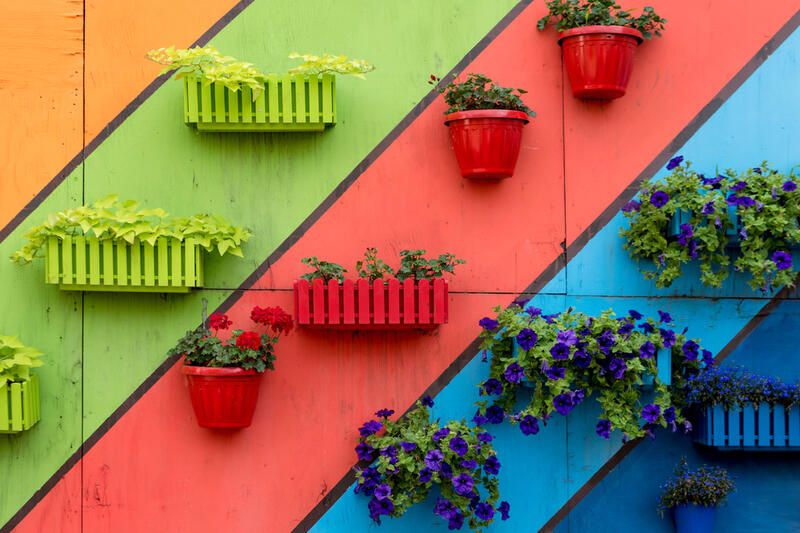
Neutral tones such as white, beige, cream, and soft gray reflect natural light and contribute to a sense of openness. These colors also provide a versatile backdrop for furniture and decorative accents.
However, small apartments do not need to be entirely neutral. Strategic use of accent colors can add depth and personality. Deep blues, greens, or warm earth tones can be introduced through pillows, rugs, artwork, or feature walls.
A consistent color scheme throughout the apartment creates visual continuity, helping spaces flow seamlessly into one another. This approach reduces visual clutter and supports successful small apartment decorating by making the entire home feel larger and more cohesive.
Selecting Multifunctional Furniture
One of the most important aspects of small-space living is choosing furniture that serves multiple purposes. Multifunctional pieces maximize efficiency while minimizing clutter.
Popular multifunctional furniture options include:
- Sofa beds for guests
- Storage ottomans
- Expandable dining tables
- Wall-mounted desks
- Lift-top coffee tables
- Beds with built-in storage drawers
- Foldable chairs and tables
These versatile pieces help residents adapt their spaces to changing needs without sacrificing comfort or style.
When selecting furniture, prioritize quality over quantity. A few well-designed items often create a cleaner and more sophisticated appearance than numerous smaller pieces. Multifunctional furniture remains a cornerstone of effective small apartment decorating because it combines practicality with modern aesthetics.
Furniture Guide for Small Apartments
| Furniture Type | Primary Function | Space-Saving Benefit |
|---|---|---|
| Sofa Bed | Seating and sleeping | Eliminates need for guest room |
| Storage Ottoman | Seating and storage | Reduces clutter |
| Foldable Dining Table | Dining area | Saves floor space |
| Murphy Bed | Sleeping | Frees space during daytime |
| Nesting Tables | Surface space | Compact when unused |
| Wall Desk | Workspace | Folds away after use |
| Storage Bench | Seating and storage | Dual-purpose functionality |
Maximizing Vertical Space
Many apartment residents focus only on floor space while overlooking valuable vertical areas. Walls offer significant opportunities for storage and decoration.
Installing floating shelves allows you to display books, plants, and decorative objects without consuming floor space. Tall bookcases draw the eye upward, making ceilings appear higher and rooms feel larger.
Wall-mounted organizers are especially useful in kitchens, bathrooms, and entryways. Hooks, racks, and pegboards help keep everyday items accessible while maintaining organization.
Vertical storage solutions can also enhance visual interest. Layering artwork, shelving, and decorative accents creates dimension without overwhelming the room. Successful small apartment decorating often relies on maximizing height as much as square footage.
By utilizing vertical surfaces effectively, you can significantly increase storage capacity while maintaining an open and uncluttered environment.
Creating Functional Living Areas
In compact apartments, every area should have a clearly defined purpose. Establishing functional zones helps maintain organization and improves overall comfort.
For studio apartments, furniture placement can be used to separate living, sleeping, and dining areas. Rugs, shelving units, and lighting fixtures help distinguish these zones without requiring physical walls.
A dedicated workspace has become increasingly important for many residents. Even a small desk positioned near a window can provide an effective home office setup.
Dining spaces do not require large tables. Compact bistro tables or fold-down wall tables offer practical solutions for meals while conserving valuable floor space.
Defining activity zones prevents spaces from feeling chaotic and contributes to a more balanced and intentional design.
Using Lighting to Enhance Space
Lighting plays a crucial role in apartment design. Poor lighting can make even a well-decorated space feel cramped and uninviting.

Layered lighting creates depth and flexibility. Combining ambient, task, and accent lighting allows you to adapt the atmosphere for different activities and times of day.
Natural light should always be maximized. Lightweight curtains, sheer window treatments, and reflective surfaces help distribute sunlight throughout the apartment.
Mirrors are particularly effective because they reflect both natural and artificial light. Strategically placed mirrors create the illusion of larger rooms while enhancing brightness.
Pendant lights, wall sconces, and floor lamps can add character without occupying valuable surface space. Thoughtful lighting design remains one of the most effective tools in small apartment decorating.
Smart Storage Solutions for Compact Homes
Storage is often the biggest challenge in small apartments. Without proper organization, even attractive interiors can quickly become cluttered.
Consider these storage strategies:
Hidden Storage
Furniture with concealed compartments provides discreet storage for seasonal items, blankets, and household essentials.
Under-Bed Storage
Storage containers and drawer systems maximize otherwise unused space beneath beds.
Over-Door Organizers
These solutions work well for shoes, accessories, cleaning supplies, and pantry items.
Built-In Shelving
Custom shelving creates storage opportunities while maintaining a clean and integrated appearance.
Closet Optimization
Adding organizers, bins, and double hanging rods can dramatically increase closet capacity.
Efficient storage systems support a cleaner environment and contribute significantly to successful apartment living.
Decorating with Mirrors and Reflective Surfaces
Mirrors have long been considered a designer’s secret weapon for small spaces. They visually expand rooms and increase brightness by reflecting available light.
Large wall mirrors create the illusion of additional square footage. Positioning mirrors opposite windows maximizes their impact by reflecting natural light throughout the room.
Reflective furniture finishes, glass tables, and metallic accents can also contribute to a lighter, more spacious appearance. These elements add sophistication without introducing visual heaviness.
The goal is not to overwhelm the apartment with reflective surfaces but to use them strategically. Proper placement enhances openness while maintaining elegance and balance.
Adding Personality Without Creating Clutter
Personal style is essential in creating a home that feels inviting and unique. However, excessive decorations can quickly overwhelm small spaces.
Choose a few meaningful statement pieces rather than displaying numerous small items. Large artwork, decorative mirrors, and sculptural lighting often make stronger visual impacts than multiple accessories.
Houseplants are another excellent way to add character and freshness. Compact varieties can improve aesthetics while bringing natural elements indoors.
Textiles such as throw pillows, rugs, and curtains introduce texture and warmth without consuming valuable space. Coordinating these elements helps maintain a cohesive design.
Thoughtful personalization allows your apartment to reflect your identity while preserving a clean and organized environment.
Common Small Apartment Decorating Mistakes to Avoid
Even with the best intentions, certain design choices can make small apartments feel more confined.
Common mistakes include:
- Using oversized furniture
- Blocking natural light sources
- Overcrowding rooms with décor
- Ignoring vertical storage opportunities
- Choosing too many competing colors
- Neglecting organizational systems
- Filling every available surface
Avoiding these pitfalls helps maintain balance and functionality. The most successful small apartment decorating projects prioritize simplicity, organization, and intentional design choices.
Remember that empty space is valuable. Allowing rooms to breathe often creates a more luxurious and comfortable atmosphere than attempting to fill every corner.
Future Trends in Small Apartment Design
As urban living continues to grow, apartment design trends increasingly focus on flexibility and efficiency. Modern homeowners and renters seek spaces that can adapt to changing lifestyles.
Smart furniture, modular storage systems, and technology-integrated solutions are becoming more common. Sustainable materials and eco-friendly décor are also gaining popularity.
Minimalist aesthetics remain influential because they emphasize functionality and visual clarity. However, contemporary design increasingly combines minimalism with warmth through natural textures, earthy tones, and personalized details.
Future innovations will likely continue improving how people live comfortably within smaller spaces while maintaining style and convenience.
Conclusion
Creating a beautiful and functional apartment is entirely achievable regardless of square footage. Through thoughtful planning, strategic furniture selection, smart storage solutions, and intentional design choices, compact spaces can feel surprisingly spacious and comfortable.
Read more: Home Renovation: The Complete Guide to Transforming Your Living Space